Berber Lodge: A Rural Design Retreat Beyond Marrakech for a Slower Stay

When Marrakech comes to mind, it is often the Medina that appears first: its energetic rhythm, vivid colours, and beautiful disorder. But just beyond the city, another kind of Morocco unfolds. A short drive from Marrakech, in the village of Oumnass, Berber Lodge offers a different entry point into the region’s culture and rural life. Conceived as more than a place to stay, it brings together Berber craftsmanship, architecture, and everyday customs with care and simplicity.
Berber Lodge brings together earthen architecture, garden-grown ingredients, and the quiet gestures of rural Moroccan life just outside Marrakech.
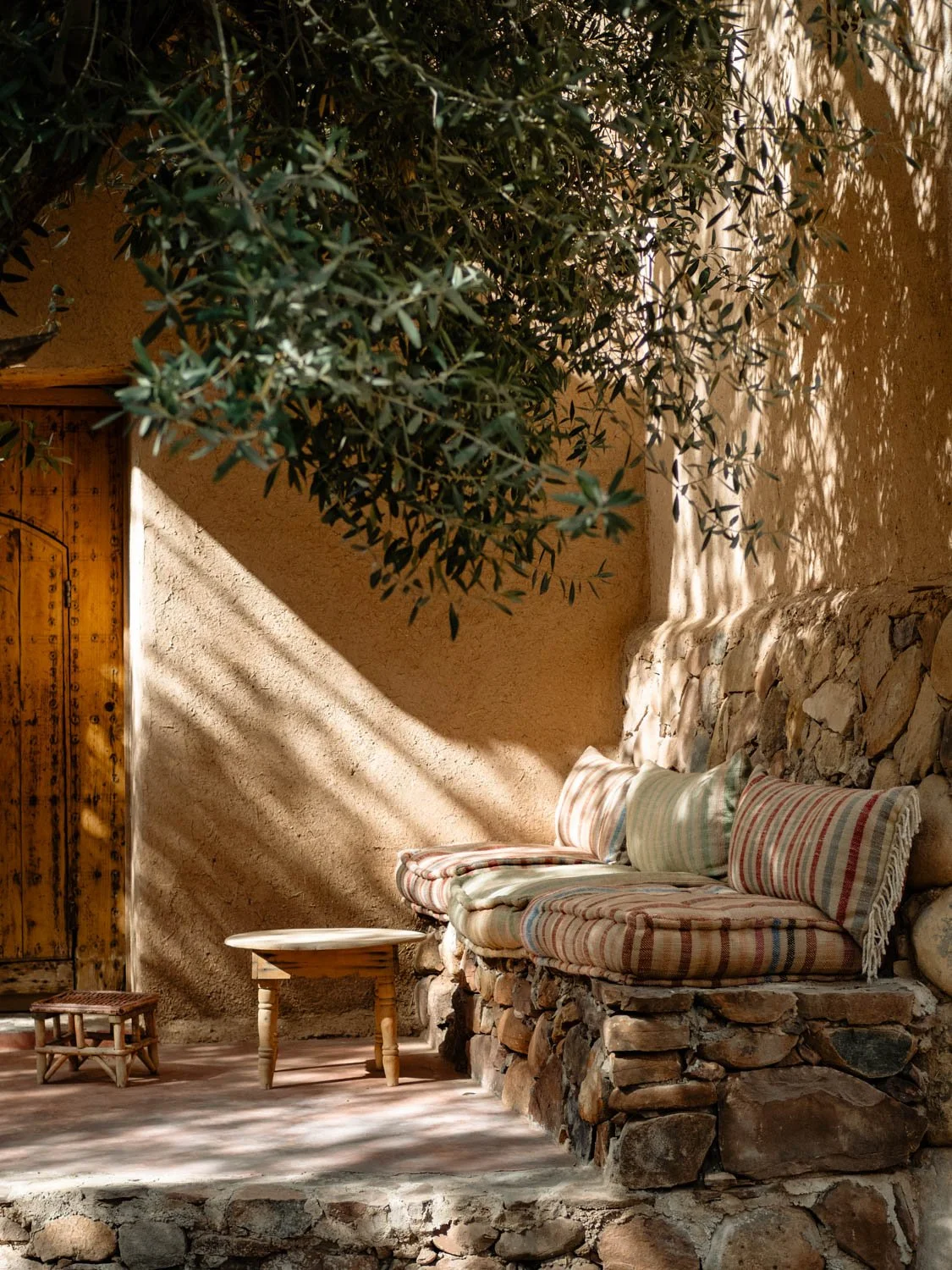
Rather than standing apart from its surroundings, the lodge seems to belong to them: in the handmade details, the gardens, the play of light, and a palette of earth tones that blends with the nearby landscape. Its openness invites travellers to settle into the pace of life beyond the city. It is especially suited to design-minded travellers, couples, and families looking for a rural stay close to Marrakech where privacy, space, and quiet comfort come naturally.
A Retreat Shaped by Berber Architecture
The story of Berber Lodge begins with French-Swiss interior designer Romain Michel Meniere, who settled in Morocco in 2002 and developed a lasting connection with Oumnass. His interest in Berber culture gradually evolved into a small hotel in close dialogue with its rural setting. With the support of his friends Karl Fournier and Olivier Marty, founders of the renowned Studio KO, the idea took form. It opened in spring 2017, guided by local building methods, natural materials, and a careful relationship with the nearby village and landscape.
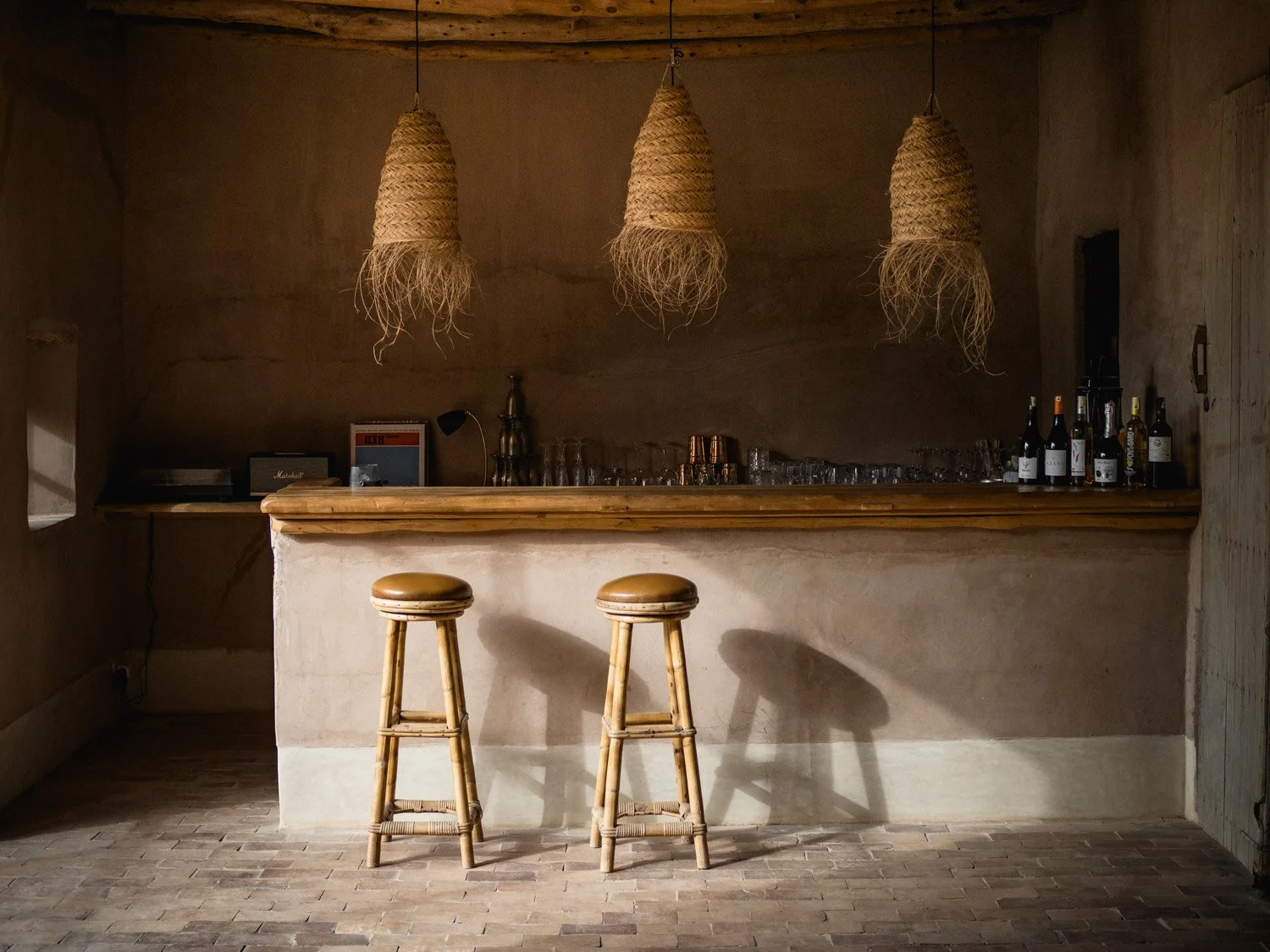
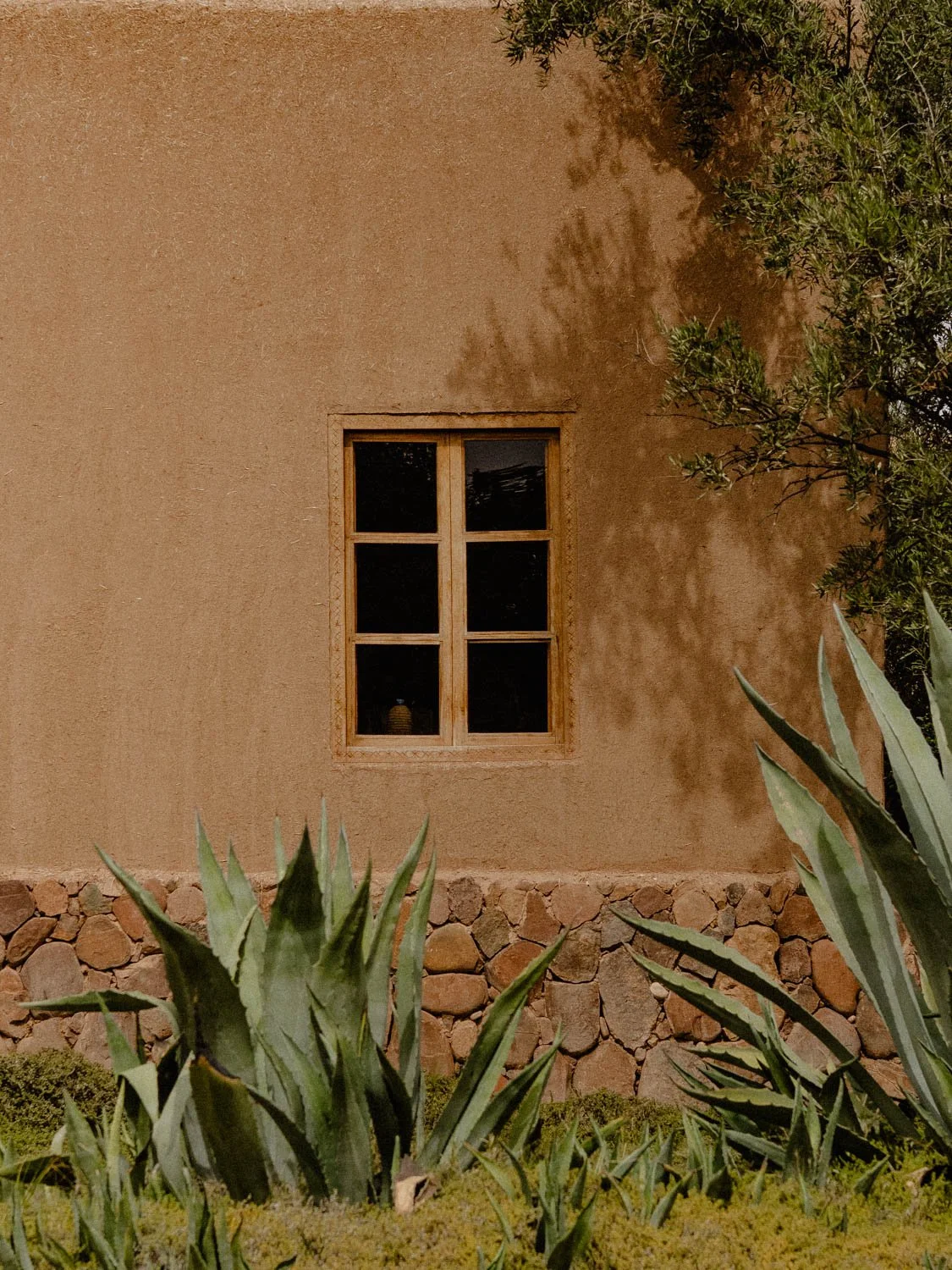
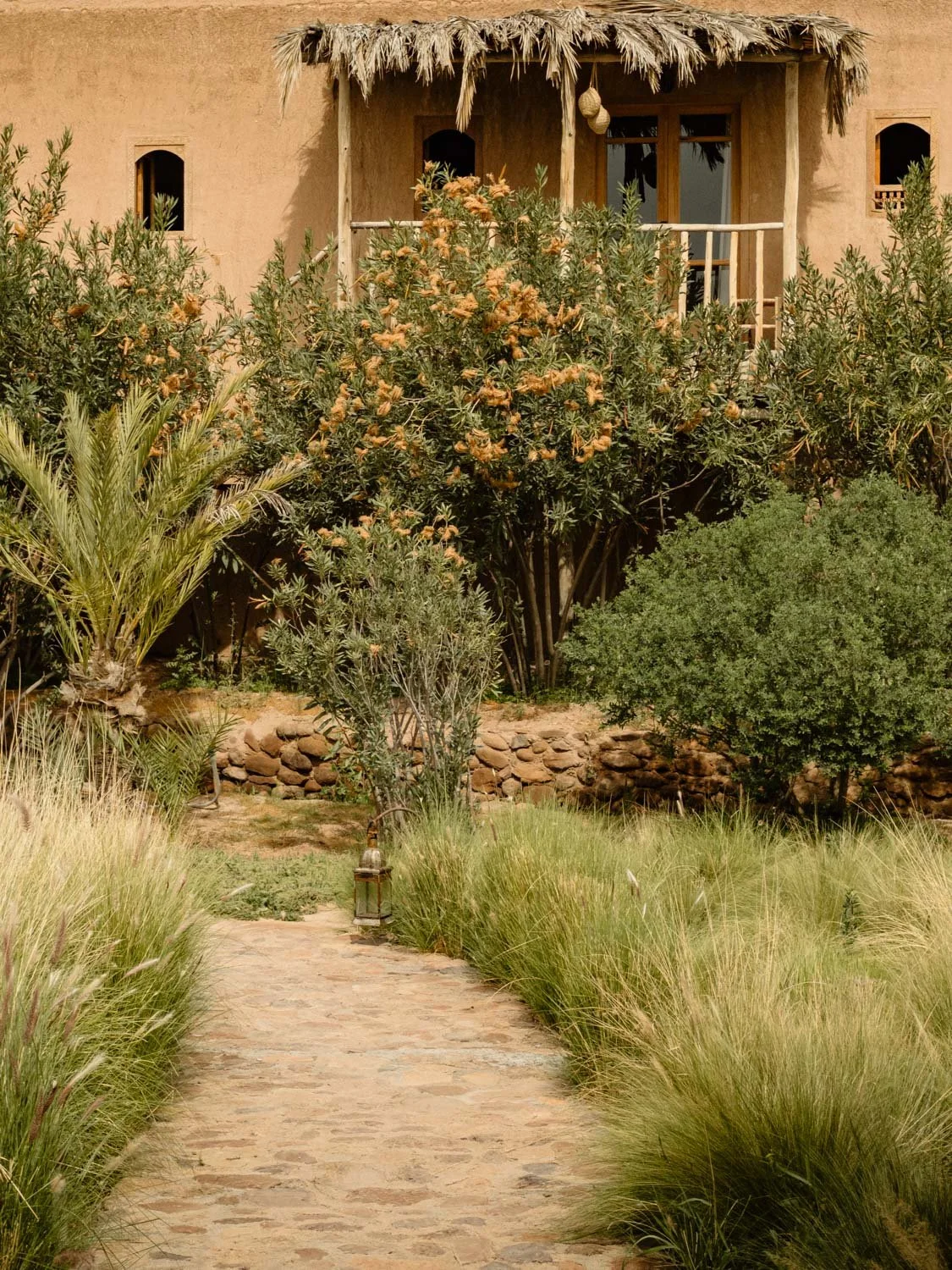
Inspired by Berber architecture, the retreat was conceived with sustainability at its core. Built on an old olive grove, it uses nearby resources, traditional techniques, and the knowledge of craftspeople from the area. The walls were made with earth from the site, transformed into adobe bricks that give each bungalow its warm, grounded presence. The existing olive trees were preserved, while local eucalyptus, Atlas cedar, and wild bamboo were used for the ceilings, bringing texture and a direct link to the surrounding environment.
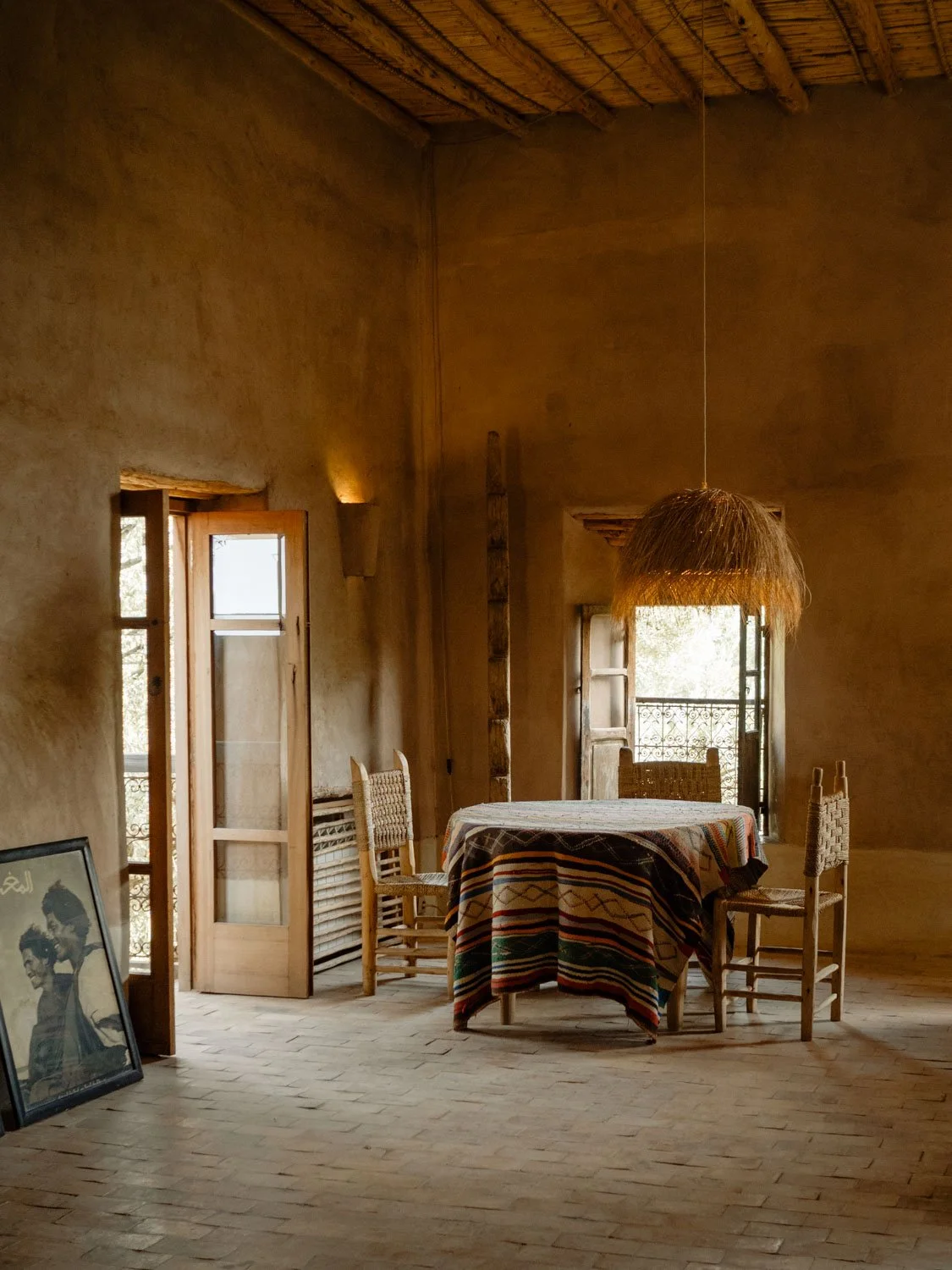
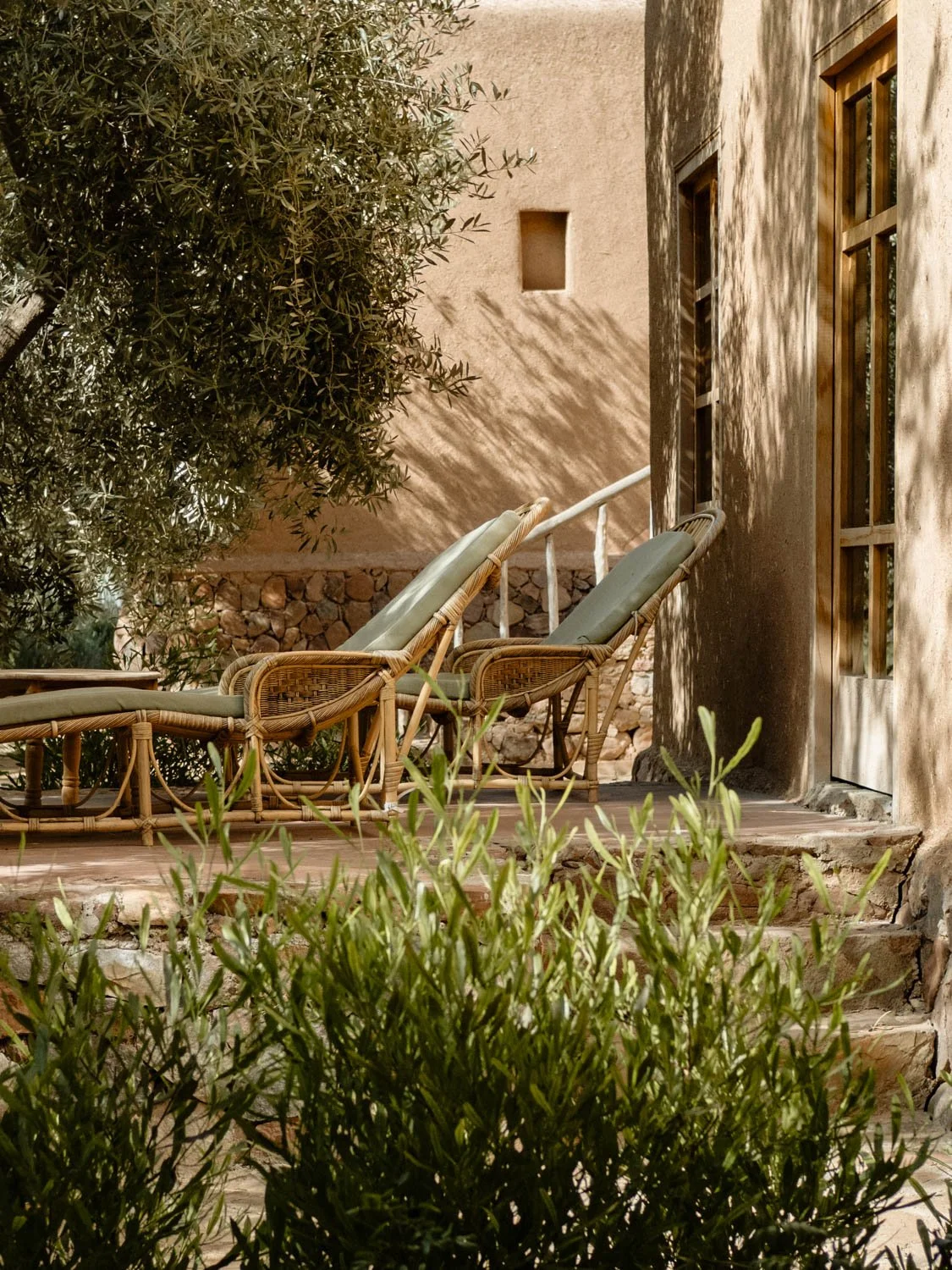
The interiors follow the same logic. Terracotta tiles were custom-made in a neighbouring village, while the rooms bring together rattan furniture, antiques, pottery, and a personal collection of 20th-century design pieces found in Morocco or inherited from Romain’s family.
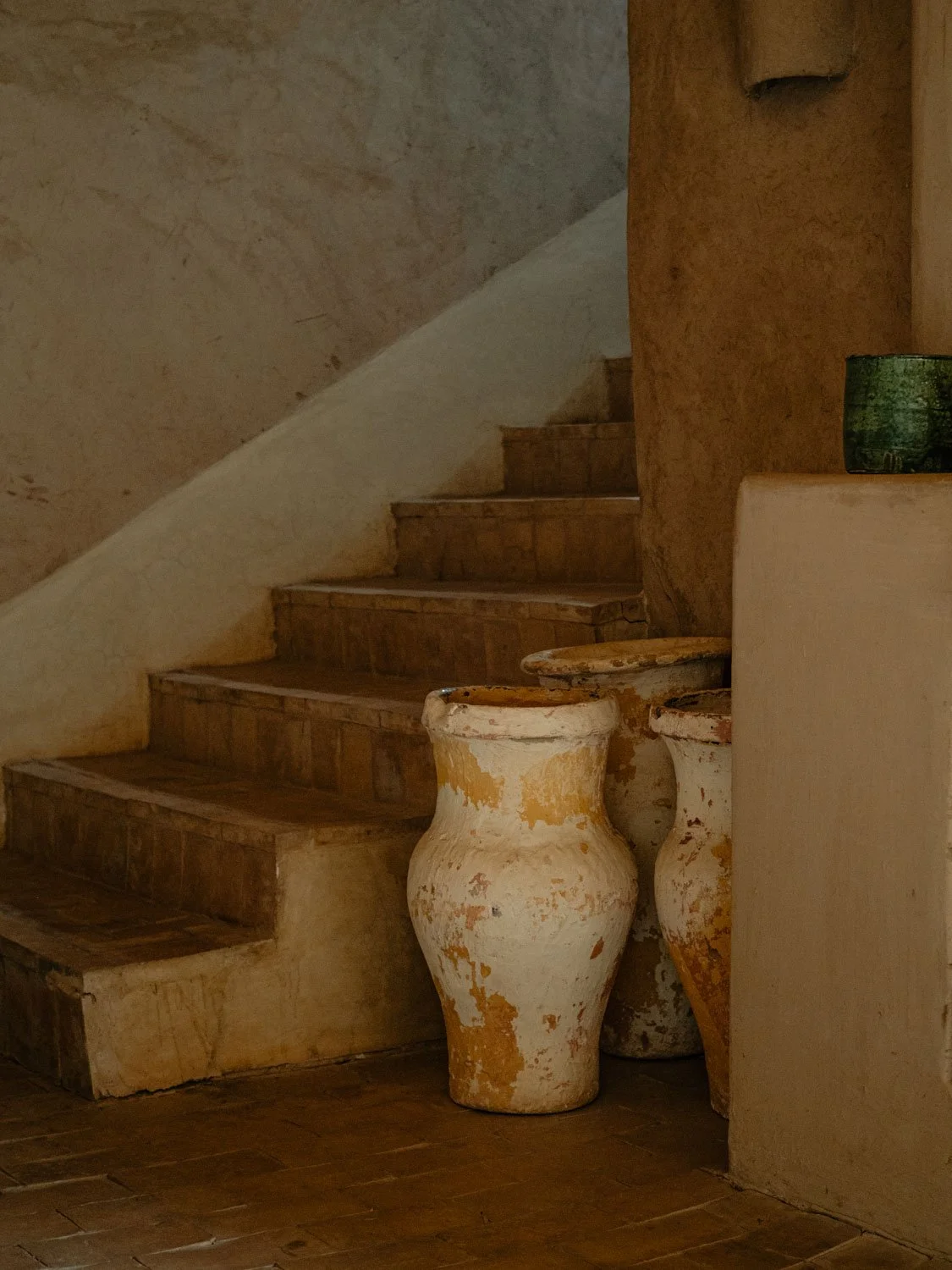
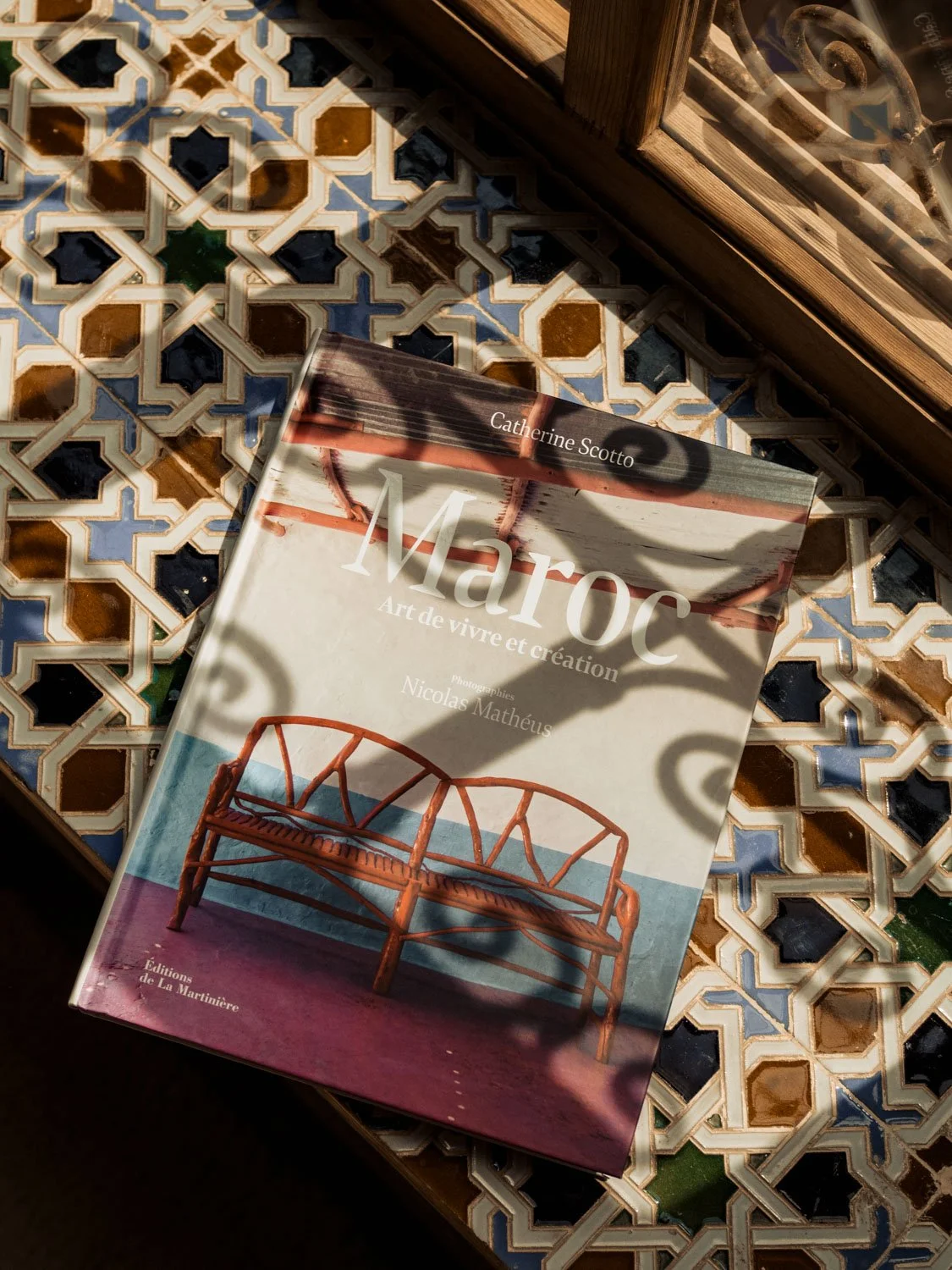
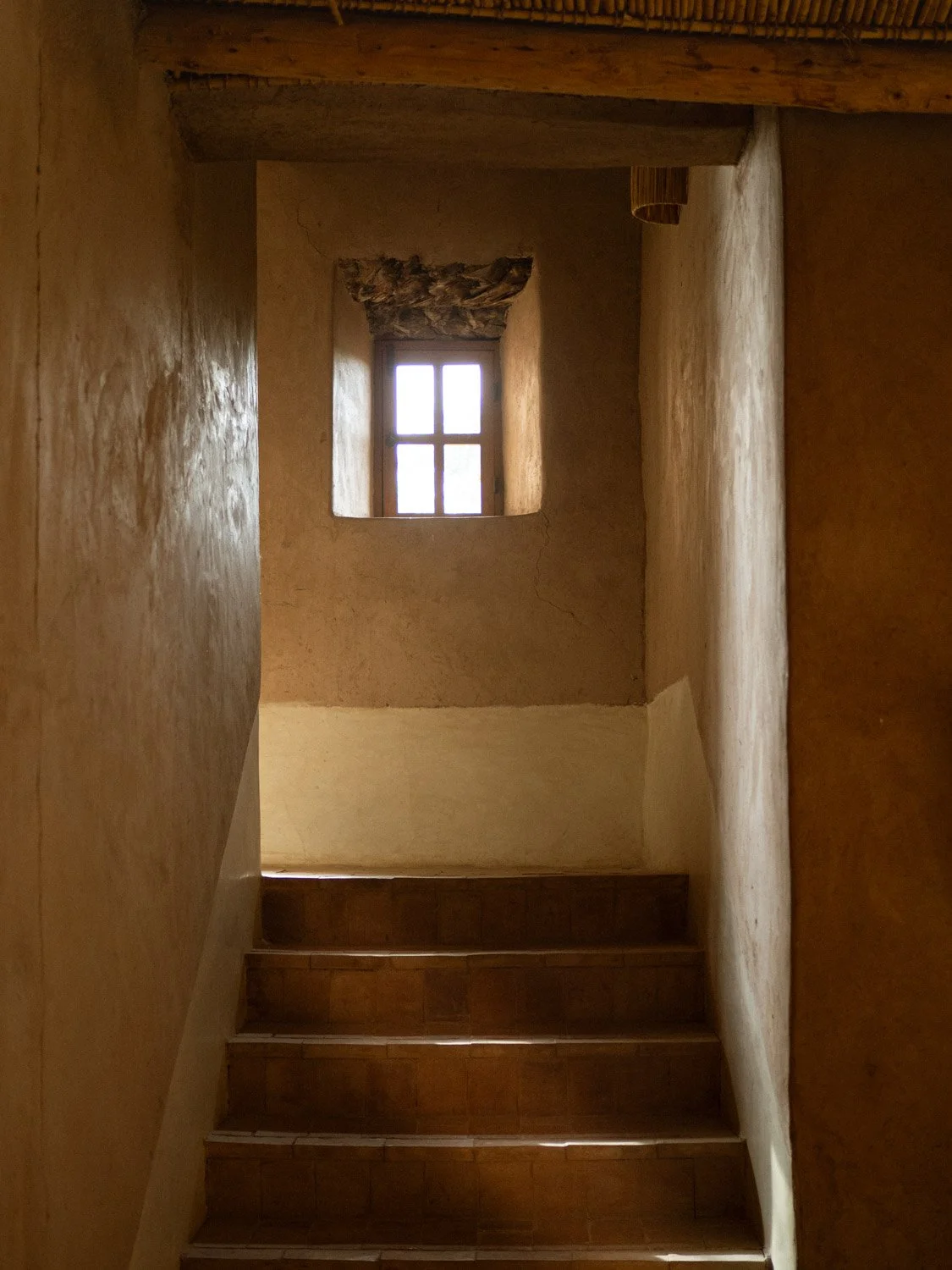
The first impression is architectural, but also atmospheric. Berber Lodge has something of a countryside kasbah, a private rural house, and a sequence of quiet courtyards. Thick walls temper the heat, terracotta warms the floors, light filters through shaded passages, and the original olive trees still structure the gardens at the heart of the lodge.
Nature, architecture, craft, and design all have a place here. Together, they give Berber Lodge its particular character: tactile, understated, and shaped by its setting in Oumnass.
Moroccan Food Culture, From Garden to Table
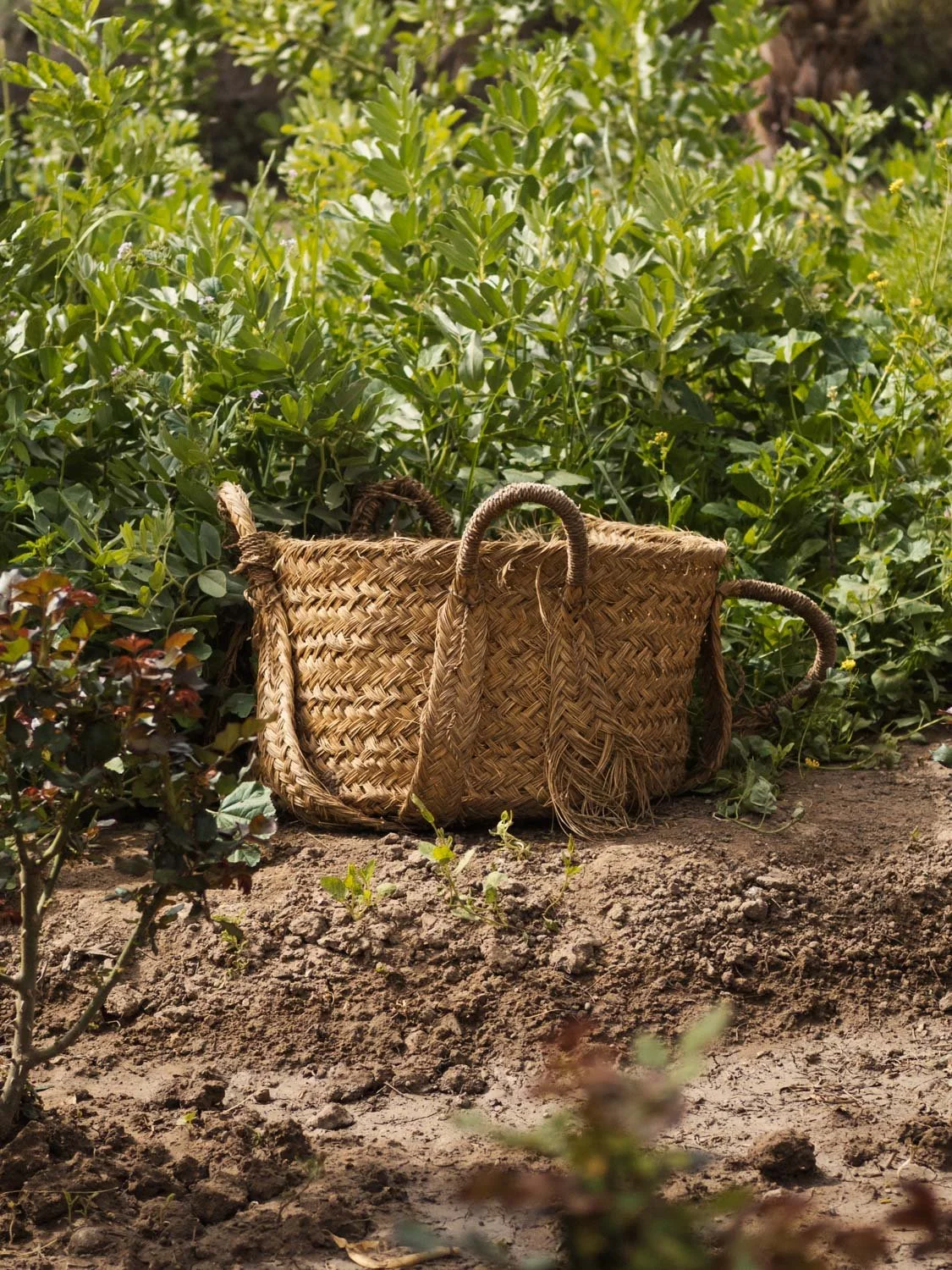
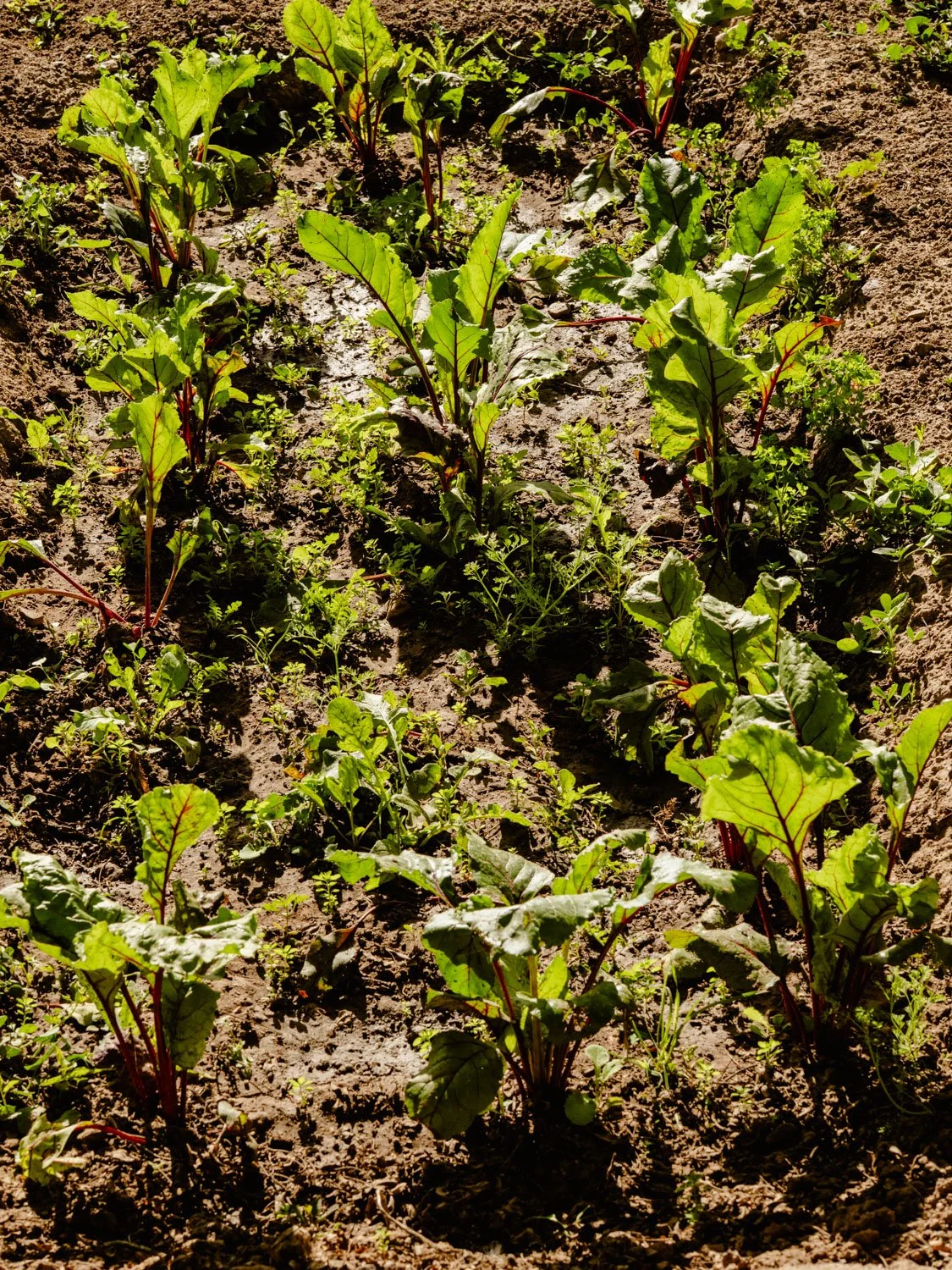
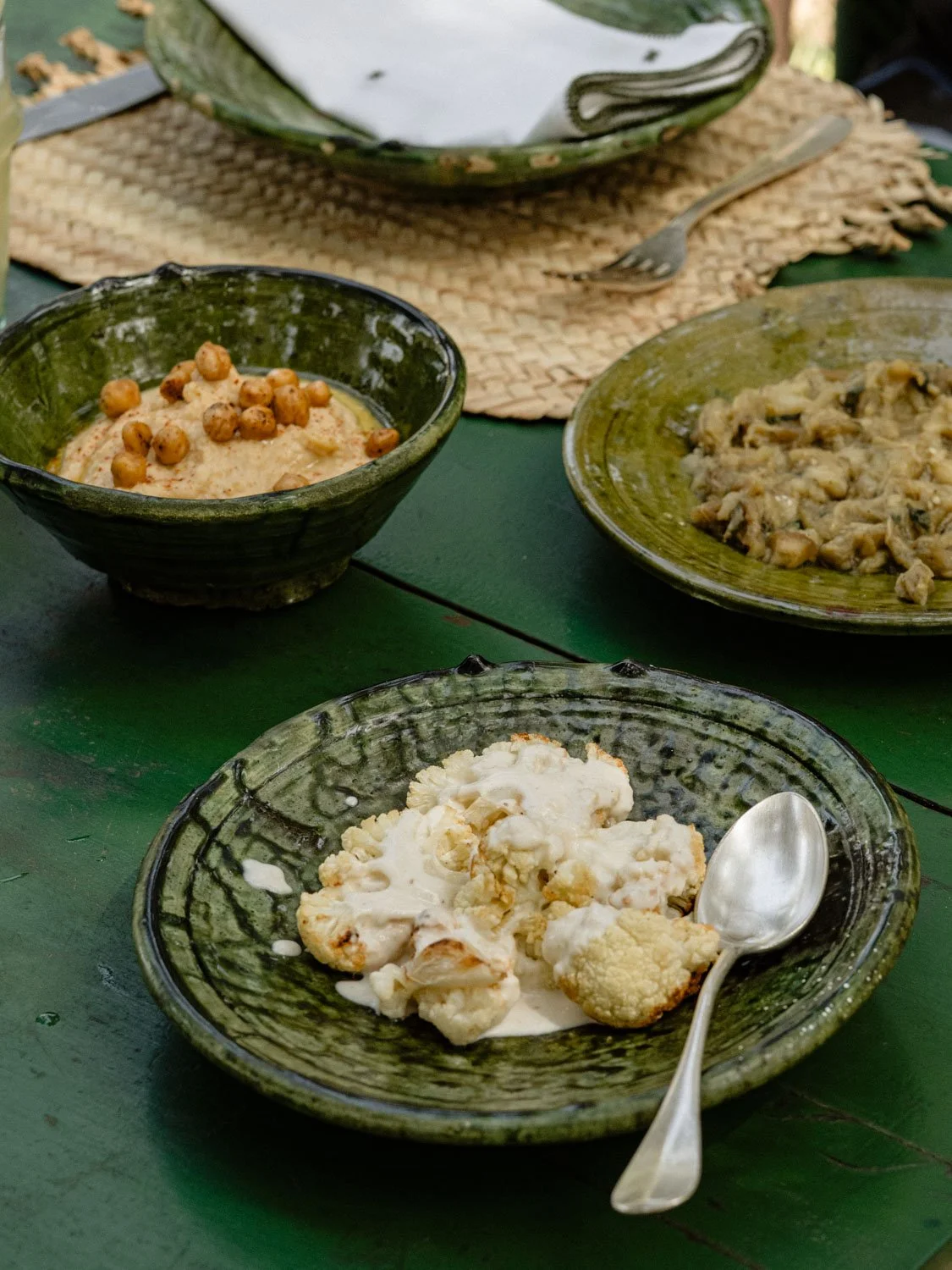
At Berber Lodge, Moroccan food culture begins with what the garden can offer each day: vegetables, fresh herbs gathered from the grounds, and seasonal ingredients that guide the menus. Looked after daily, its harvest naturally finds its way into the kitchen, shaping dishes around what has just been picked. Sustainability is not an abstract idea here, but part of the everyday work: growing, cooking, serving, and adjusting to the land’s own pace.
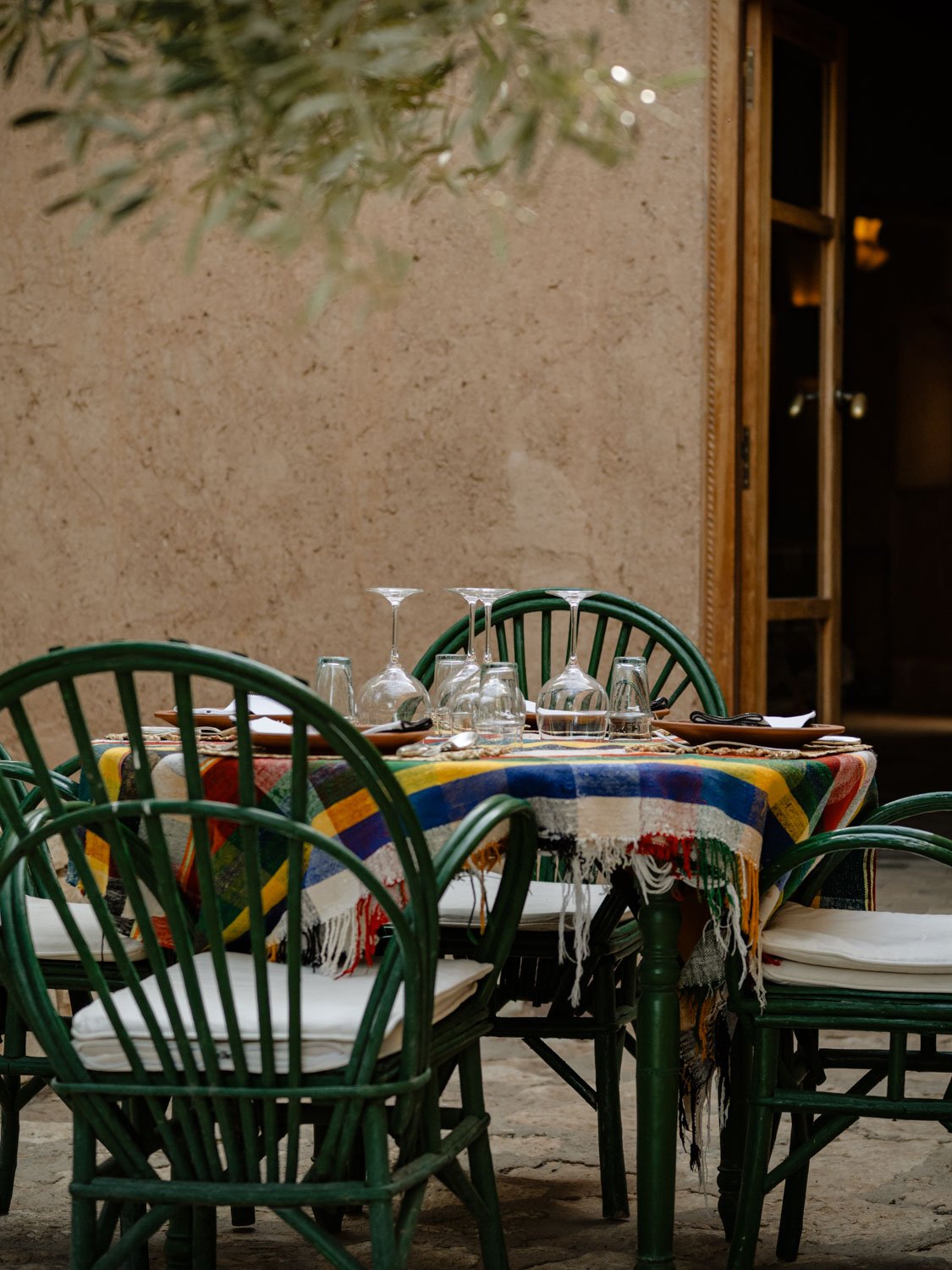
For guests, food becomes inseparable from the stay. Meals offer a way to understand the landscape through taste: slow preparations, Moroccan seasoning, olive oil, bread, and plates made to be shared. Flavour feels connected to where it comes from: the soil, the season, and the hands behind each dish.
By relying on what is grown on-site and on the work of people from the surrounding villages, Berber Lodge keeps part of what it offers close to Oumnass. It supports local knowledge, respects the land that sustains the lodge, and shortens the distance between the garden, the kitchen, and the table.
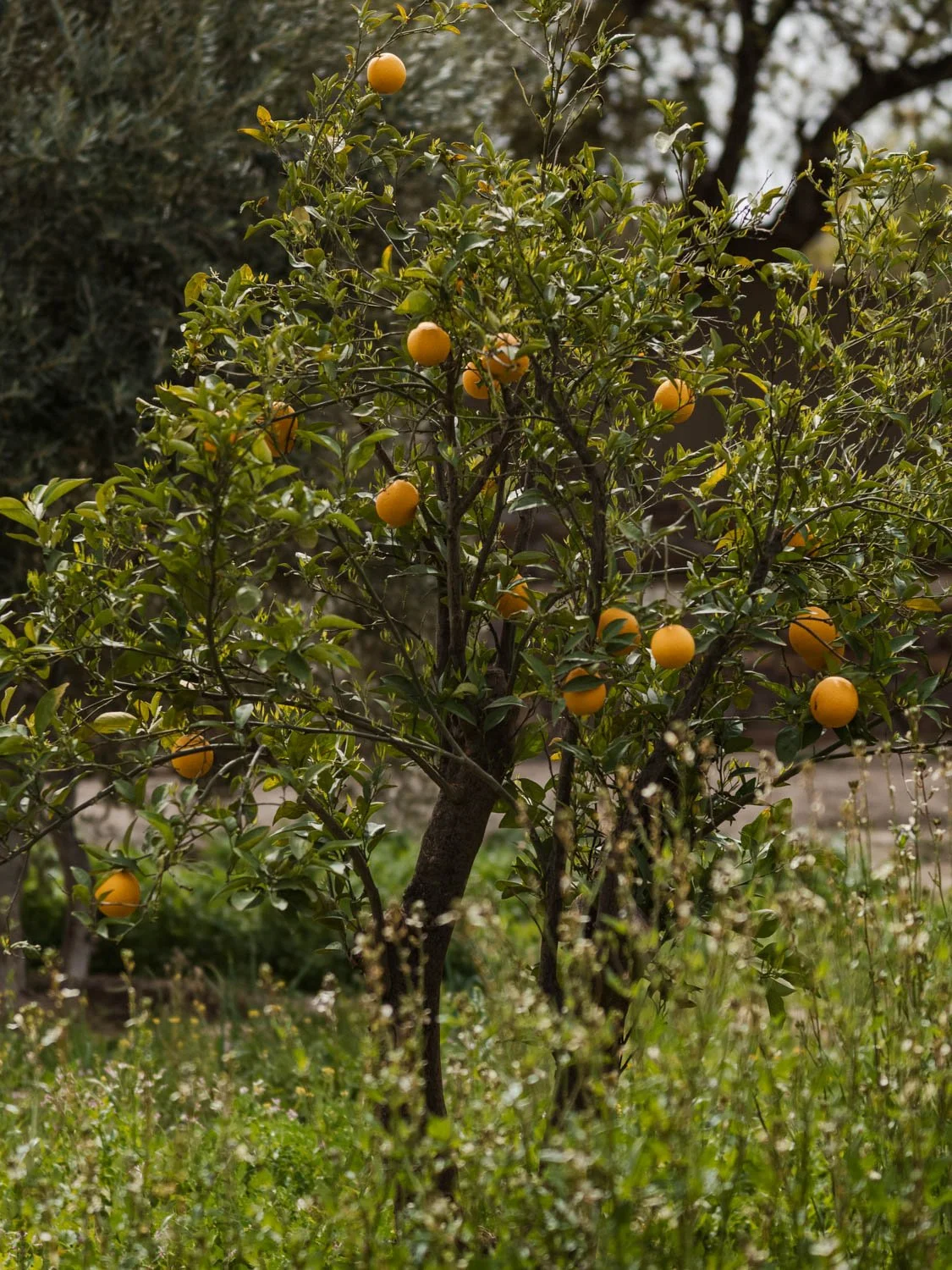
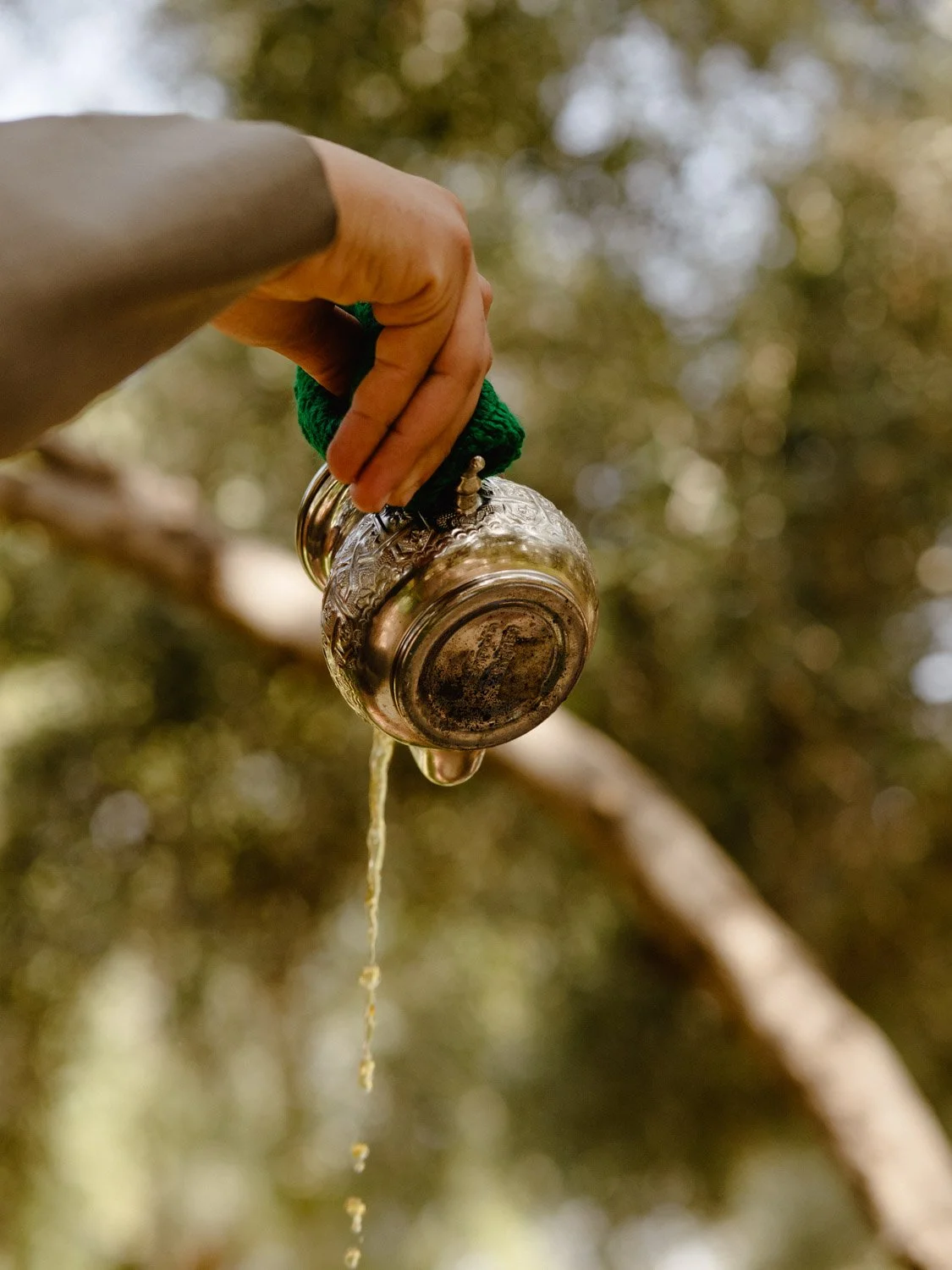
This simplicity continues in the menus. Lunch and dinner might begin with harira, Morocco’s much-loved soup made with legumes, tomatoes, and aromatic seasoning, before moving on to tagines, couscous, or brochettes with meat, fish, or vegetables. Fresh salads, homemade bread, pressed juices, and something sweet often complete the meal, followed by traditional mint tea.
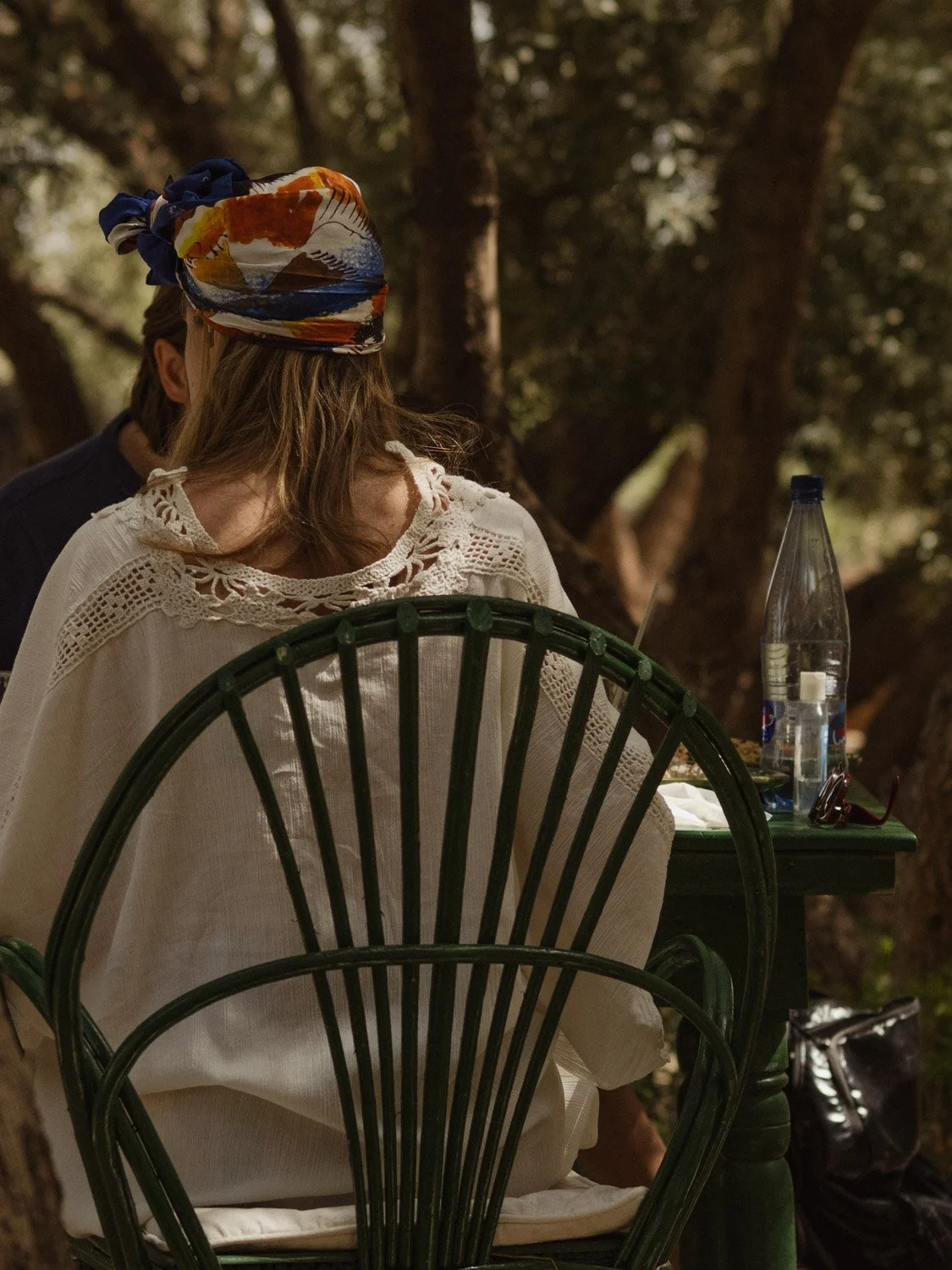
When the weather allows, as it often does here, the table moves outdoors and becomes one of the clearest ways to enjoy Berber Lodge at its best. In a way, the path leads from the garden back to it when guests gather to eat, with much of the day’s harvest, birdsong in the background, and the countryside close by.
What It’s Like to Stay at Berber Lodge
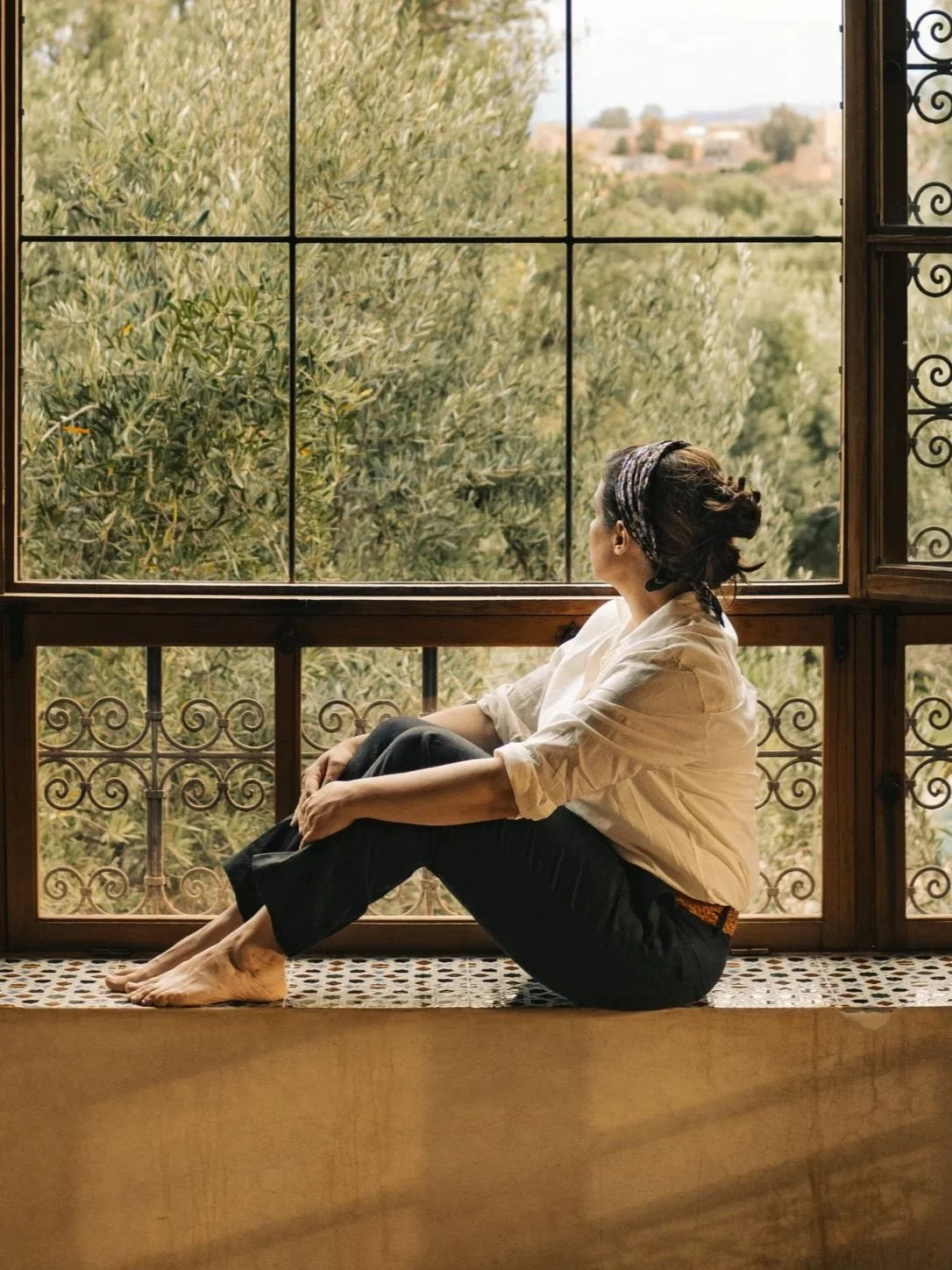
This is not simply a base for visiting Marrakech. Berber Lodge has a slower, more intimate rhythm of its own, with narrow paths, shaded courtyards, gardens, and a gentle passage between indoors and outdoors. Moving through the property, guests feel removed from the city without being detached from the culture, landscape, and daily life of rural Morocco.
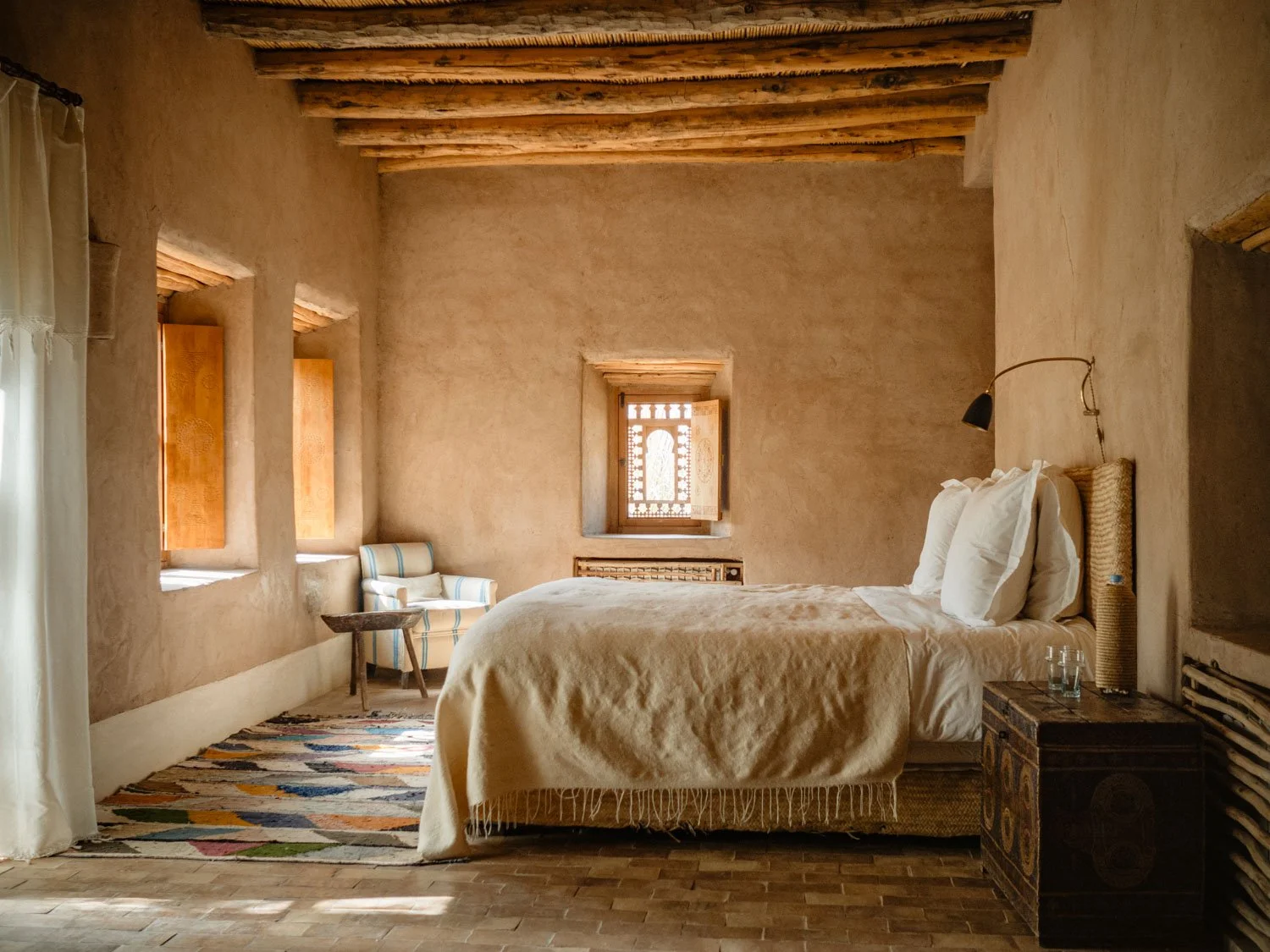
The retreat is made up of 11 individual lodges arranged around a central house, each opening onto a private patio or outdoor space. The layout gives the stay an intimate feel: quiet enough to feel secluded, yet still connected to the gardens and shared life of the place. Traditional Berber architecture sets the tone, while contemporary comforts bring ease without disturbing the simplicity of the rooms.
Days can be as full or as spacious as guests wish. Before heading into Marrakech or towards the Atlas Mountains, it is worth letting the day begin slowly here: breakfast with Moroccan and Mediterranean touches, time to read in a hammock, a swim in the pool set among the olive trees, or simply a pause in the shade. Mornings are especially still, as the property wakes gradually with the light, the greenery, and the first sounds of the day.
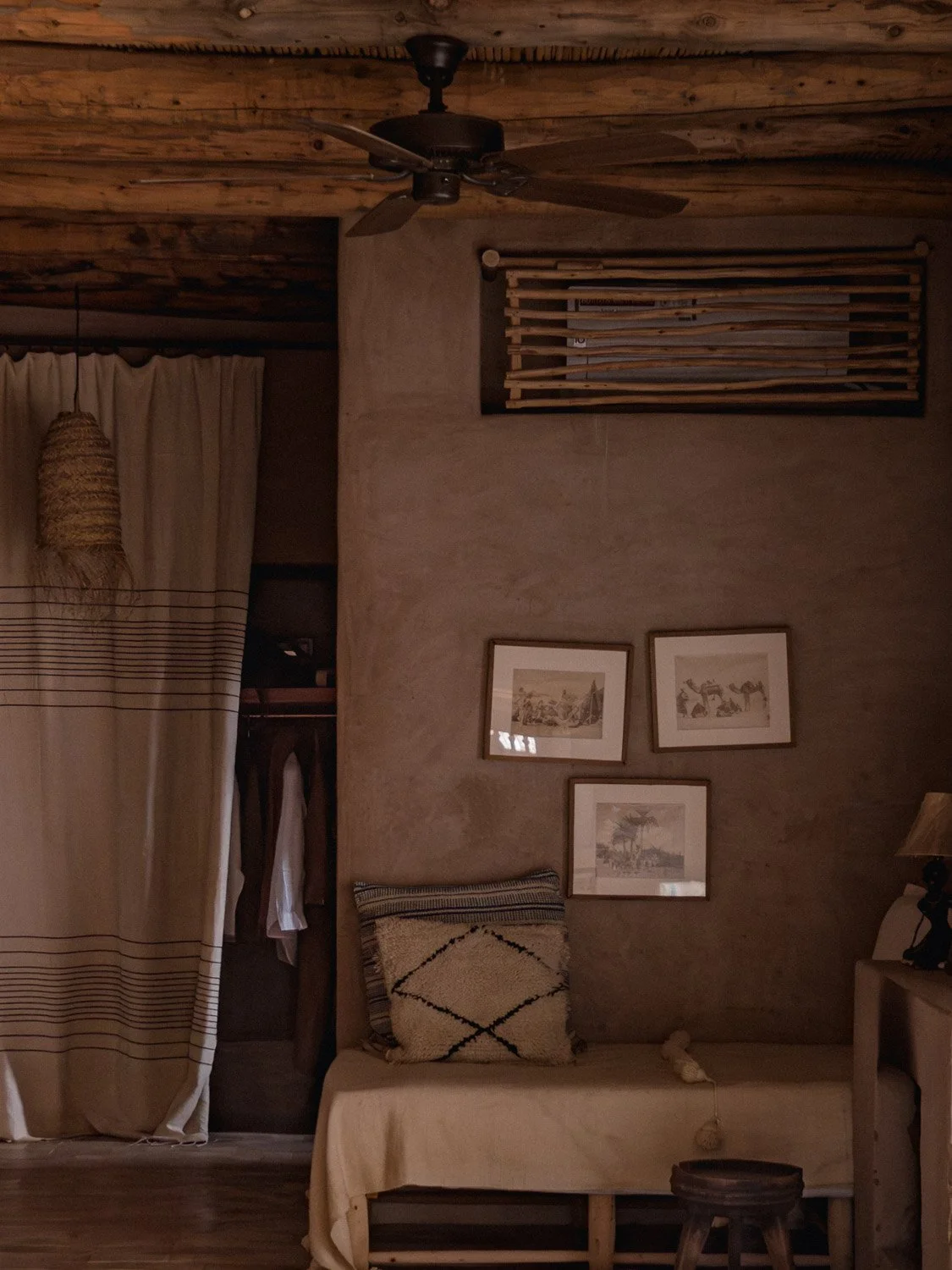
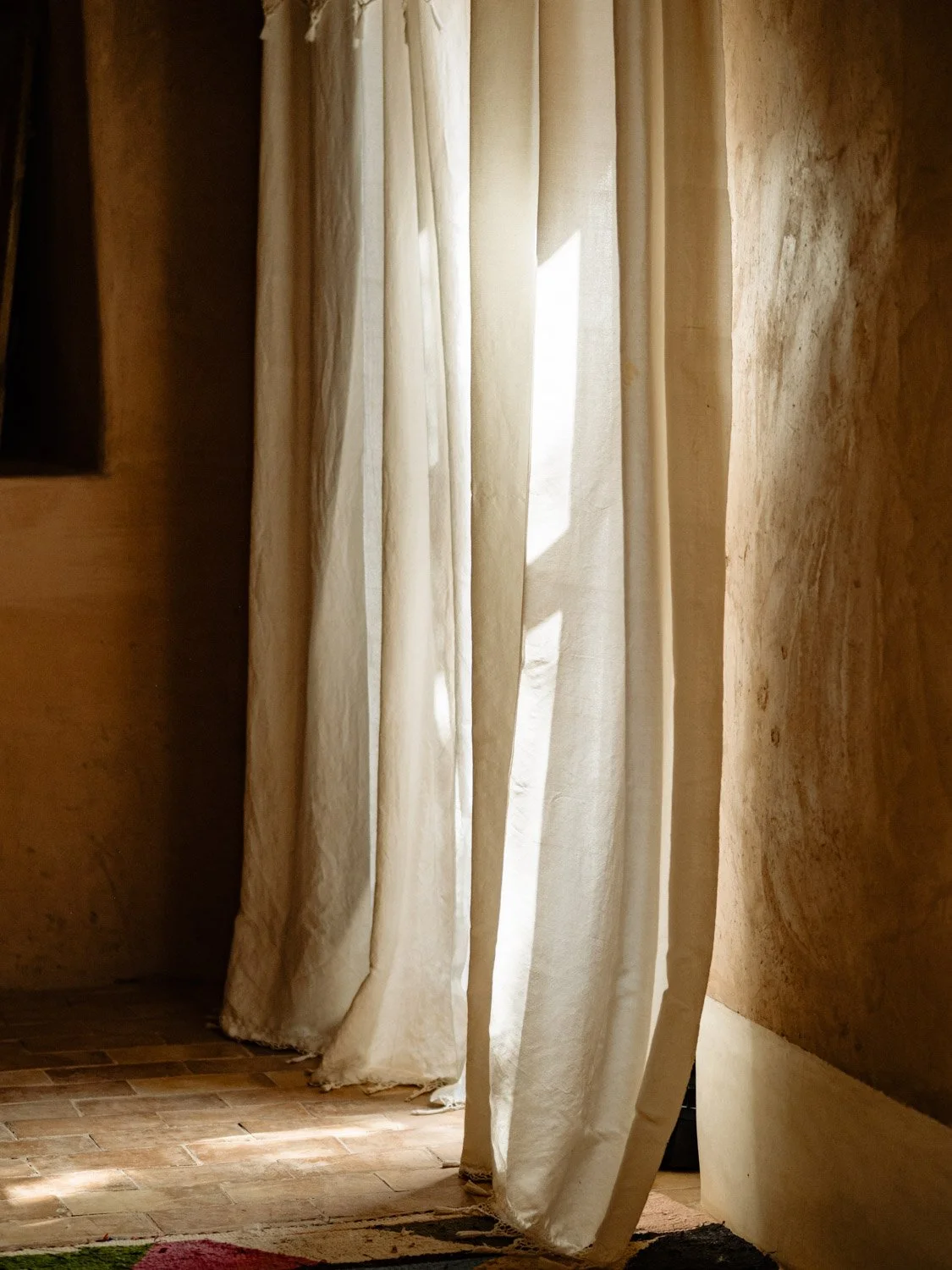
At Berber Lodge, much of the stay is found in small, unhurried moments: walking back to your lodge after breakfast, feeling the coolness of thick walls, sitting outside as the light changes, or returning from Marrakech to the calm of Oumnass.
RELATED CONTENT

