Traveling Japan Thoughtfully: A Conversation with Inner Japan
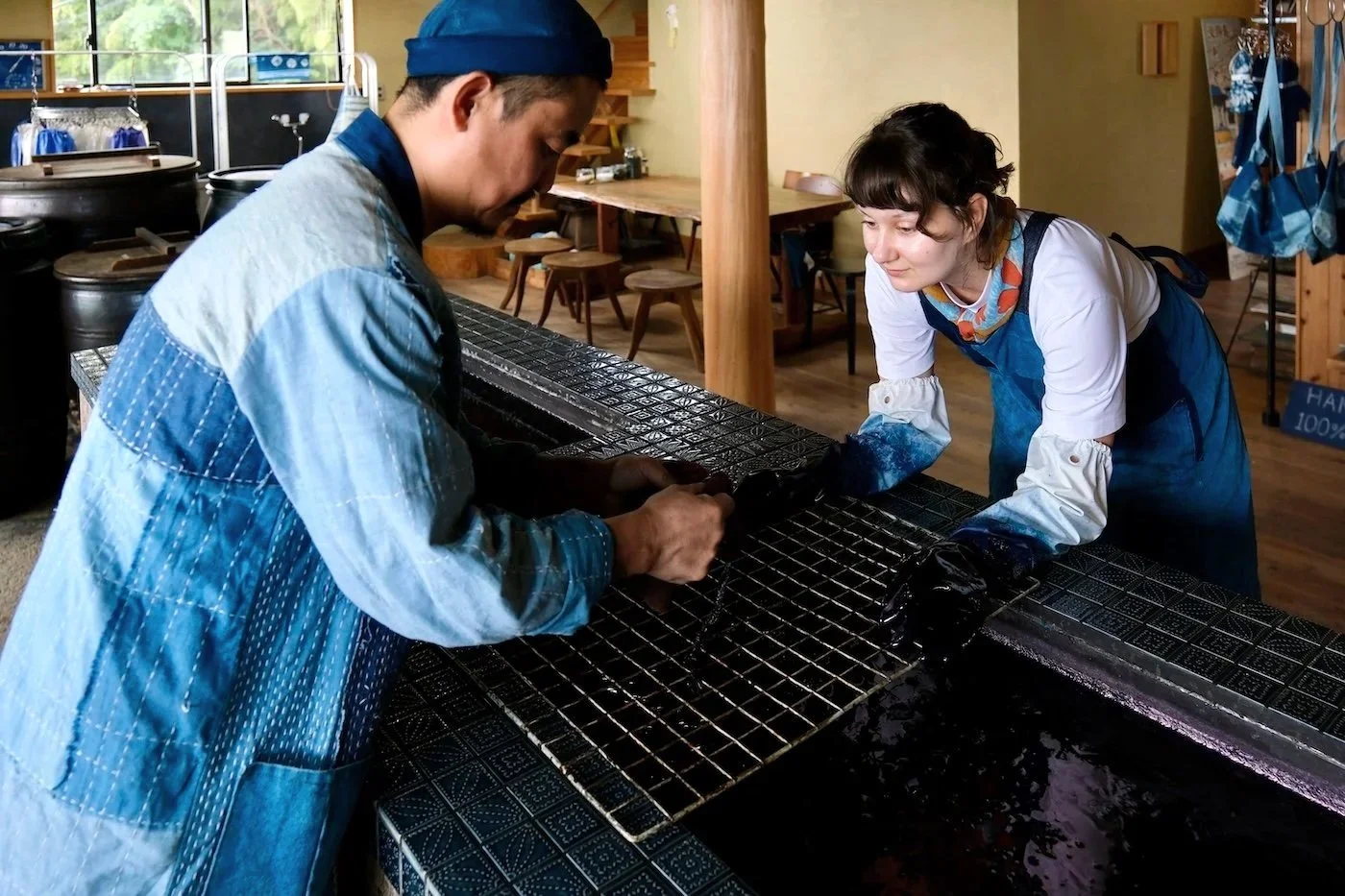
Kristina Minami is the founder of Inner Japan, a destination branding company focused on Japan’s quieter regions, places with their own pace and deep-rooted traditions. Based in the country since 2016, she first studied in Osaka, later relocated to Tokyo for work, and is now based in rural Osaka once again. As a highly sensitive person, big cities often felt overwhelming, and travel gradually became a way for her to find calm and reconnect with quieter environments.
Kristina Minami on life in Japan, seasonal travel, and traveling responsibly — with the small mindset shifts that make a trip feel calmer and more meaningful, and the principles behind Inner Japan’s newly launched private tours
With a background in Japan’s travel and hospitality industries—and fluent Japanese, which helps her work closely with locals and understand nuance on the ground—Kristina now uses writing, photography, and content work to help communities share their value in their own voice, building interest through care and long-term connection rather than trends.
Sensory Travel: After living in Japan for years, what surprised you at first—and what do you understand differently now?
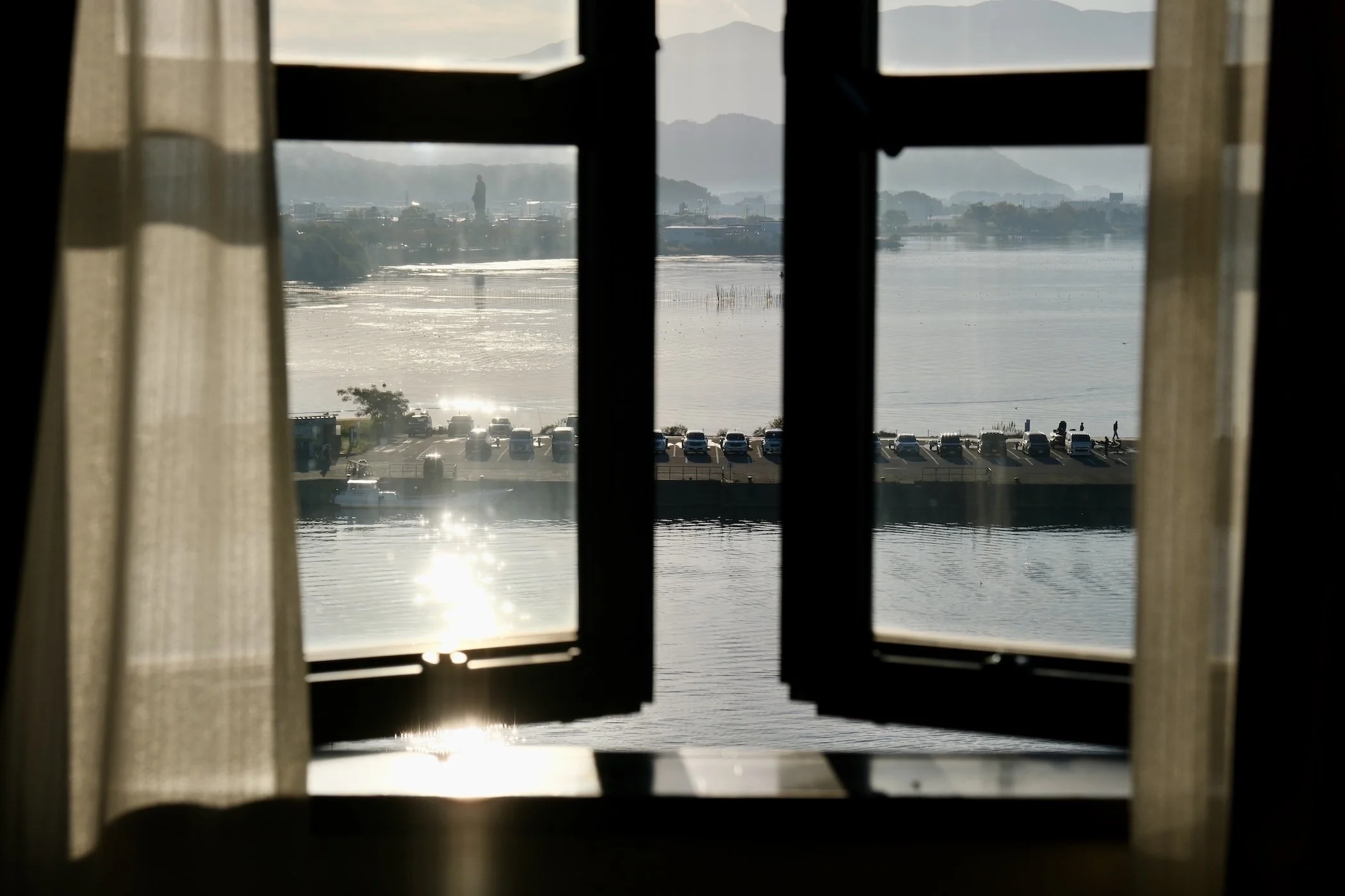
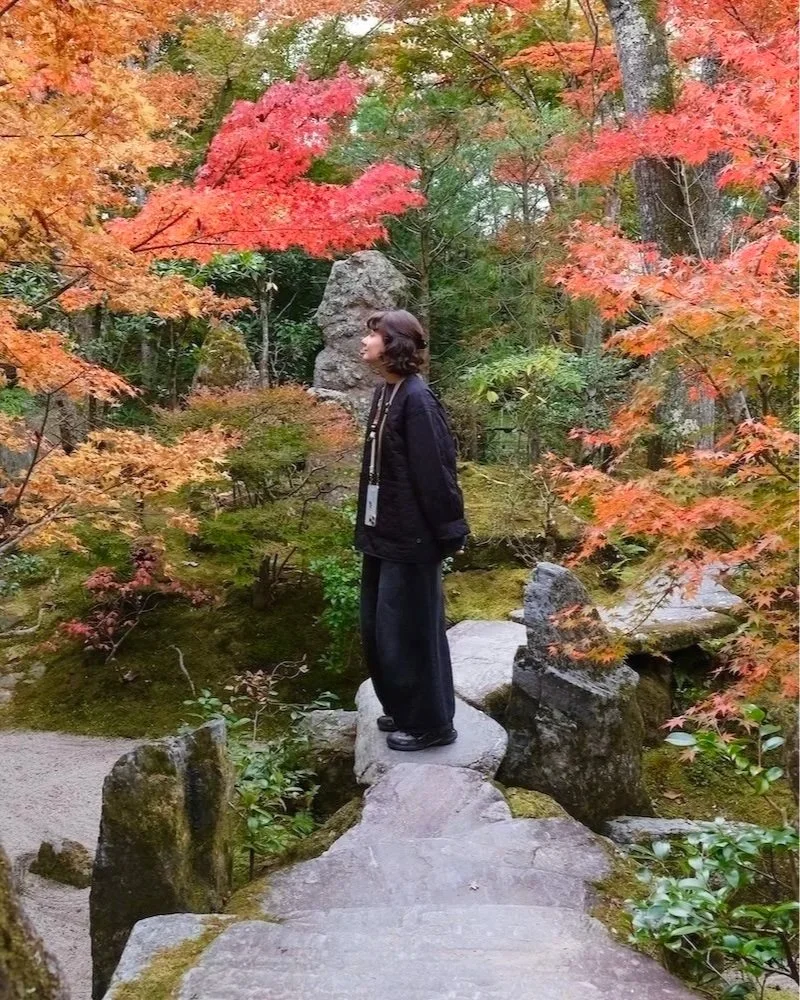
Kristina Minami: What interested me most was how deeply the shifting of seasons is appreciated here throughout the year. Many people proudly say that Japan has four seasons, but I came to realize it is something you have to live through to truly understand. It goes far beyond well-known rituals like hanami, picnicking under cherry blossoms, or tsukimi, moon-viewing in autumn. Throughout the year, there is always something to look forward to — plum blossoms in February, waves of sakura appearing from late winter into early summer depending on the region, azaleas in May, wisteria in early summer, and many other subtle seasonal markers. This creates a sense of freedom in travel: there is always something seasonal to experience somewhere in the country, allowing you to move with the seasons rather than alongside peak crowds.
ST: What does slow travel in Japan look like in practice—pace, planning, and daily rhythm?
KM: I’m not a big fan of staying only in cities and often travel to places that require an extra bus ride or a local train transfer. This naturally means that your schedule depends on public transportation, so I usually check how much time I have until the next train and simply wander without planning too much. Less planning often creates more opportunities for local encounters or discoveries that never appear on maps. For me, the feeling of everyday Japan often lives in these in-between destinations. I understand that using local trains can feel intimidating at first, but all you really need is an internet connection and a bit of curiosity.
ST: For someone planning a trip, what’s your best advice on choosing when to visit Japan—how to prioritize atmosphere (light, weather, rhythm) and avoid peak-pressure periods?
KM: As I mentioned earlier, Japan offers something to experience throughout the year, so even if your goal is to see cherry blossoms, you don’t necessarily need to visit during the busiest period from mid-March to early April. For sakura, the farther north you travel, the later the blossoms appear, while with autumn foliage, the pattern reverses, the farther south you go, the longer you can enjoy the colors. I would also recommend avoiding major Japanese holiday periods such as Golden Week or the year-end holidays, when domestic travel peaks. Visiting outside these windows often means fewer crowds, greater availability, and more reasonable accommodation prices.
st: For first-time travelers to Japan, what’s one mindset shift that makes the trip calmer and more meaningful?
KM: I would suggest letting go of FOMO and the pressure to check off a list of must-see destinations. While the classic Tokyo–Kyoto–Osaka route can be appealing, some of the most meaningful experiences often happen just 30 minutes by train beyond major cities. Even small detours can offer local encounters and a stronger sense of everyday life. Shifting from seeing everything to experiencing something more deeply can make a trip feel both calmer and more memorable.
ST: For repeat visitors to Japan, how do you recommend going deeper instead of doing more?
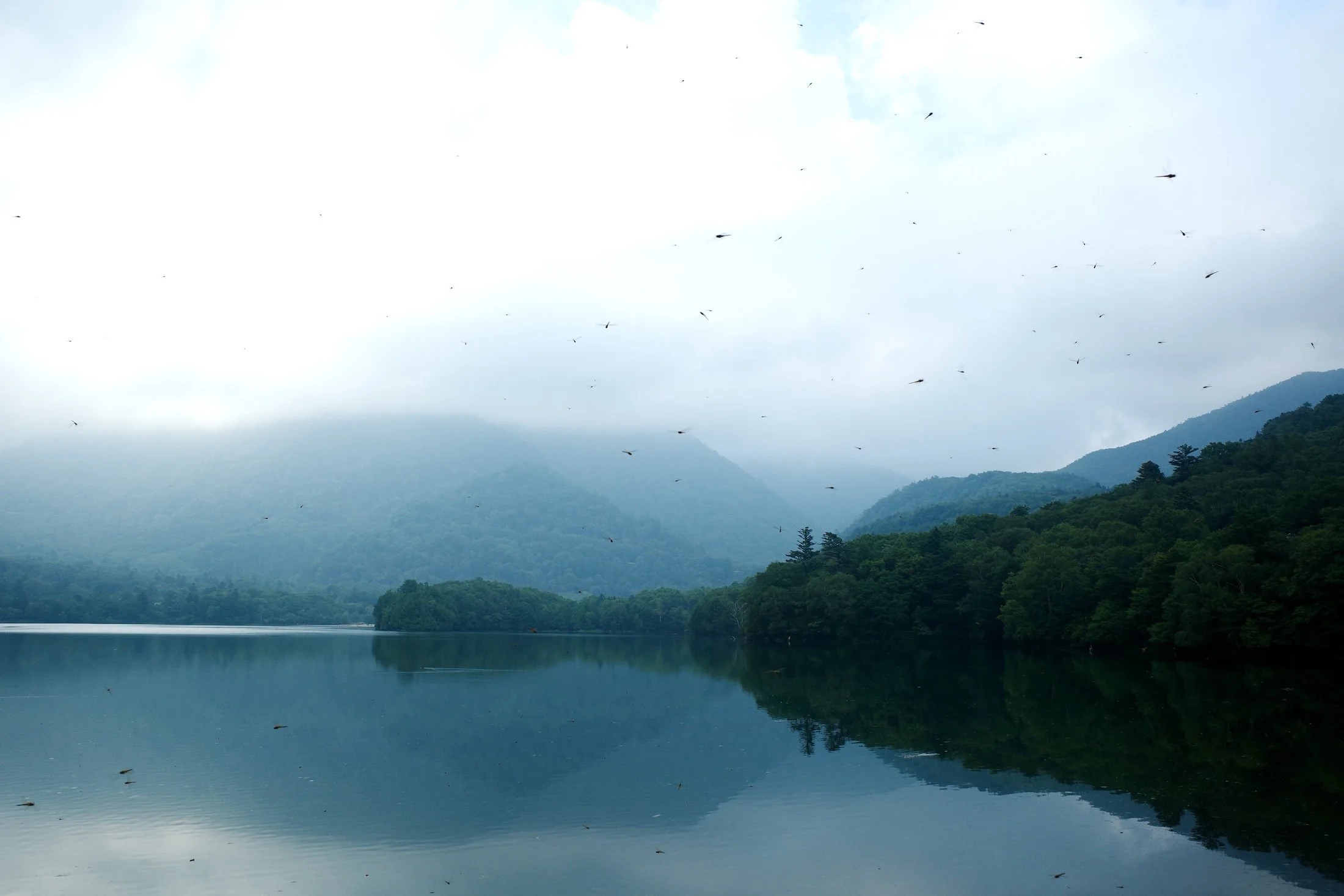
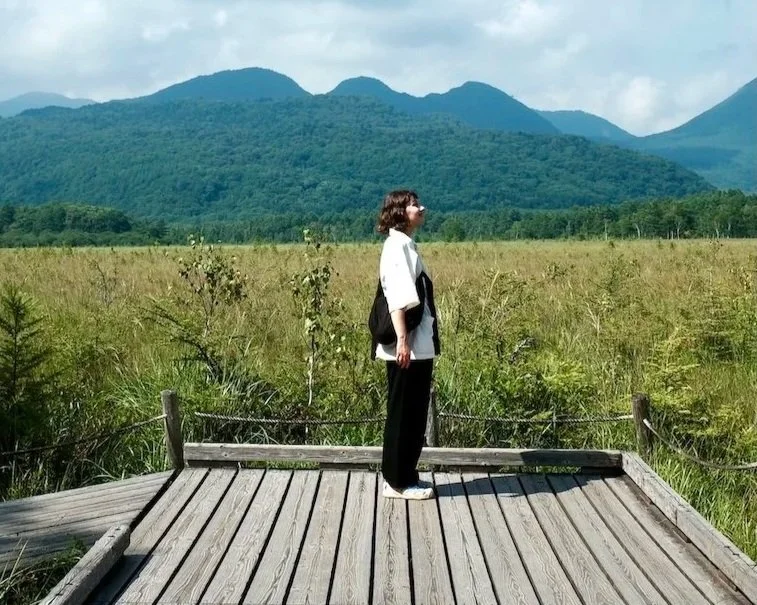
KM: I would suggest choosing one region and exploring it more deeply rather than trying to cover as much ground as possible. For centuries, Japan was organized into feudal domains governed by local lords, and while modern prefectures were later established, many regional cultural identities shaped during that period remain visible today.
Take Shikoku, for example, one of Japan’s four main islands located across the Seto Inland Sea from Hiroshima. Even within this relatively compact area, each prefecture has its own atmosphere, food culture, and pace of life. Traveling this way allows repeat visitors to notice regional nuances instead of simply adding more destinations.
ST: What are your personal strategies for avoiding crowds in Japan, through timing and the way you move through popular areas?
KM: From my experience, even during busy holiday periods, it is often possible to avoid crowds by choosing less obvious destinations within the same region. For example, when visiting Kyoto, I may skip central sightseeing areas and instead spend time in the quieter Fushimi district, exploring its canal boat rides and sake culture, or travel north to the Tango coastline in Kyoto Prefecture, known for traditional chirimen silk-weaving communities. Understanding regional geography offers a significant advantage. Small shifts in direction can transform the experience, allowing you to remain within a popular destination while moving at a much calmer pace.
ST: Beyond etiquette, what does respectful travel in Japan look like in real life—and what do you wish visitors understood about tourism’s impact on everyday local life and nature?
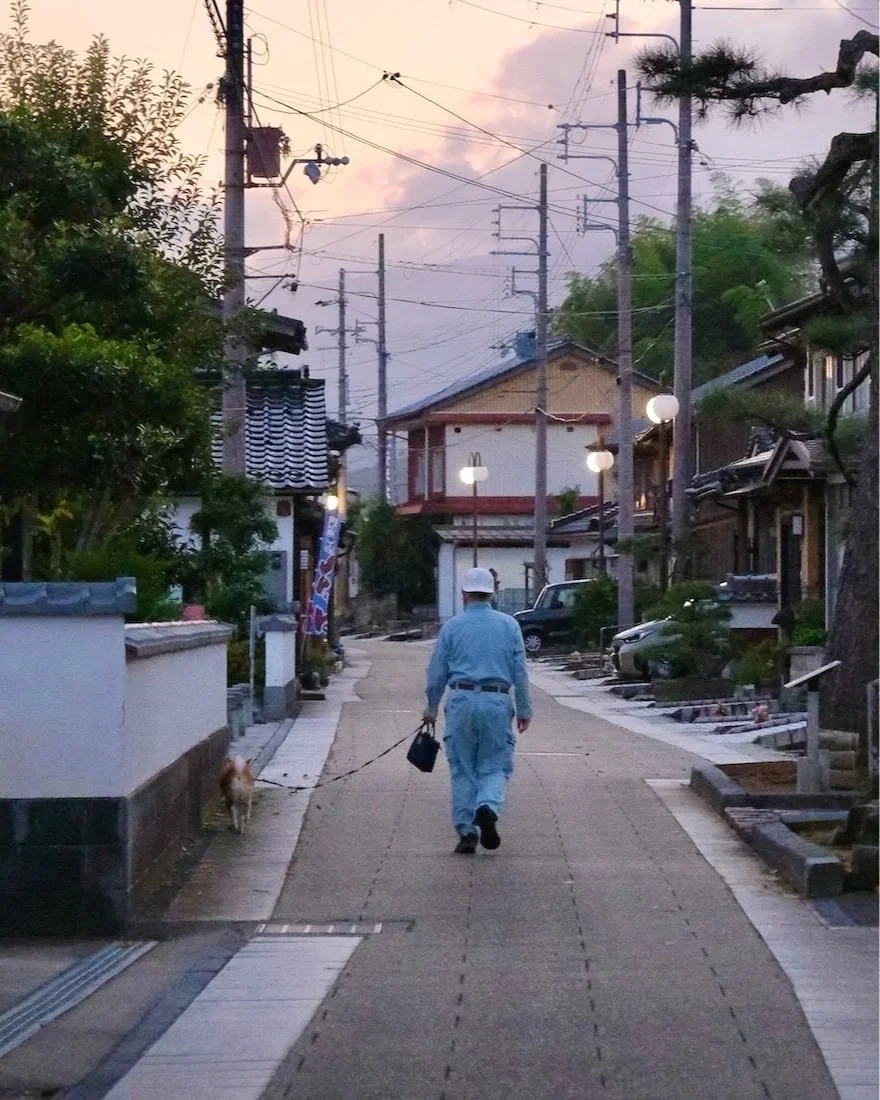
KM: Respectful travel is often about awareness of scale. Many destinations in Japan are lived spaces rather than attractions, places where people commute, work, and carry out their daily routines. For me, this means respecting boundaries, whether by asking before filming individuals, avoiding entry into private gardens, or keeping voices low on public transportation. It also extends beyond etiquette to impact. Choosing to stay overnight rather than passing through, supporting small local businesses, and moving mindfully in nature all help reduce pressure on communities and environments. Ultimately, respectful travel is less about following rules and more about recognizing that you are stepping into someone else’s everyday landscape.
ST: How do you decide what’s worth sharing publicly, without overexposing quieter places (overtourism)?
KM: Much of what I share is guided by intention. Because I often work with local governments, artisans, and communities, I tend to feature places that are actively seeking thoughtful international visitors and where my visit is part of an ongoing relationship rather than a one-time discovery. Accessibility also plays a role. Many of the destinations I show require additional travel time beyond major transport routes, which naturally moderates visitor flow. Factors such as accommodation capacity, remoteness, and local infrastructure further help maintain a scale of tourism that remains manageable for local life.
ST: What are 3–5 places (or types of places) you return to in Japan—and why do you keep going back?
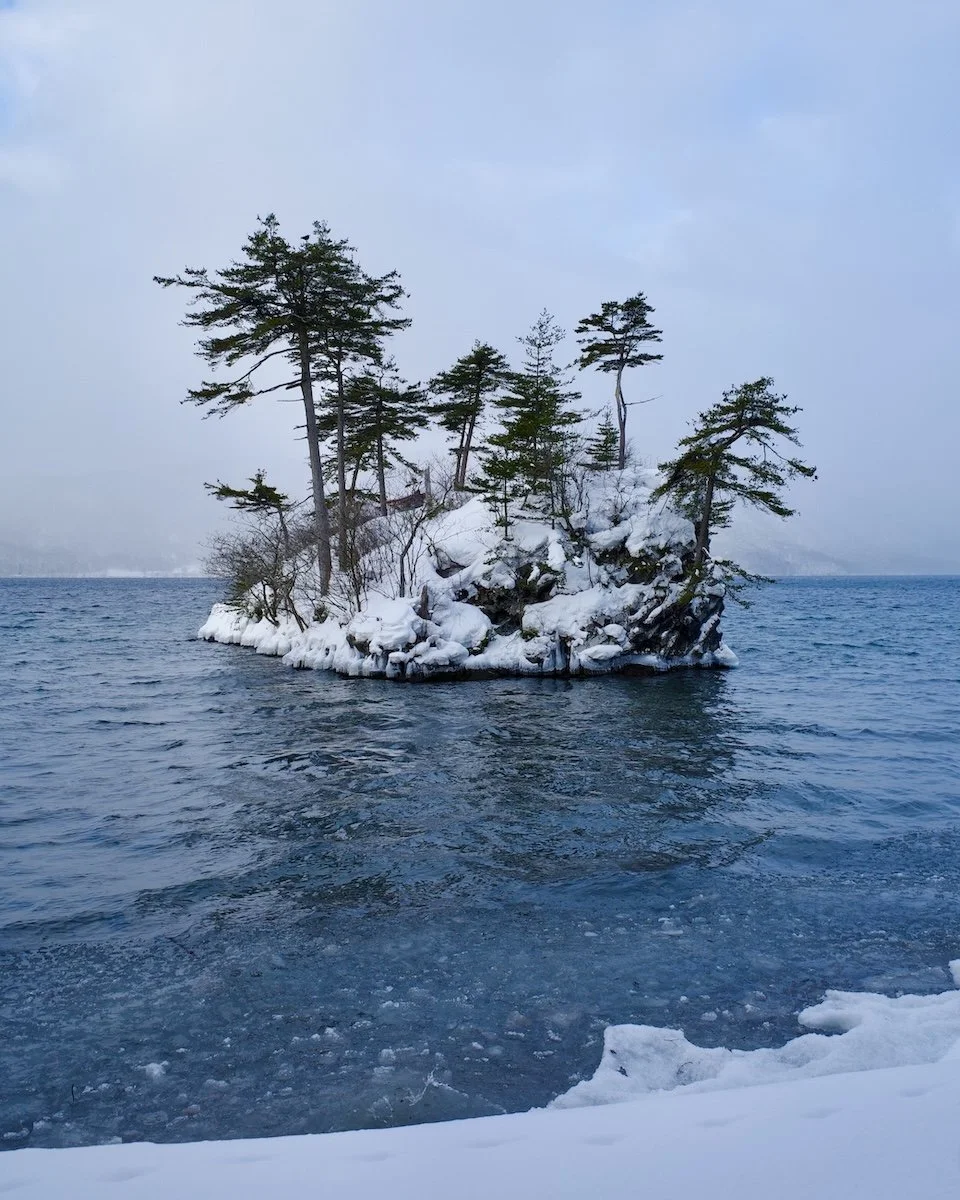
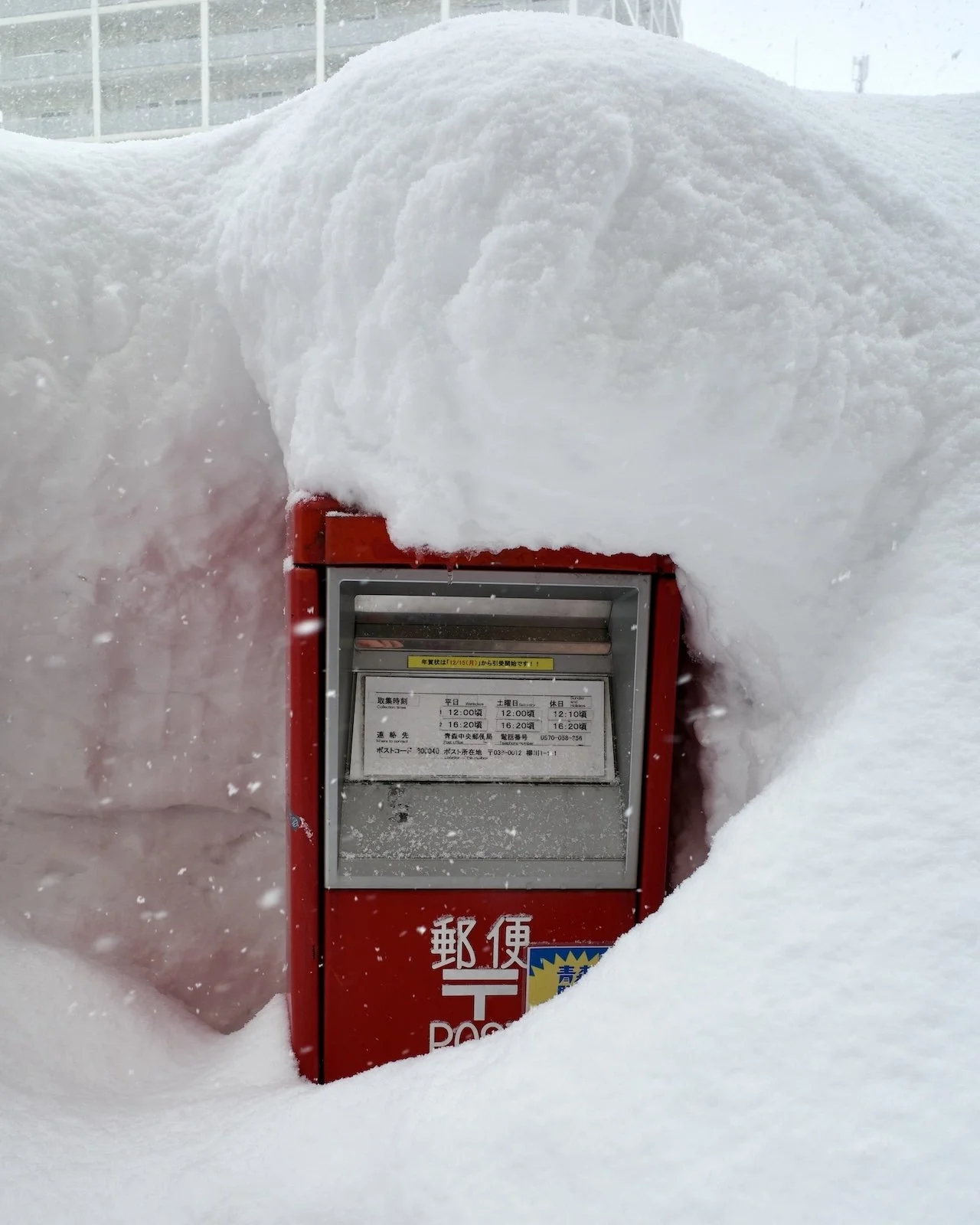
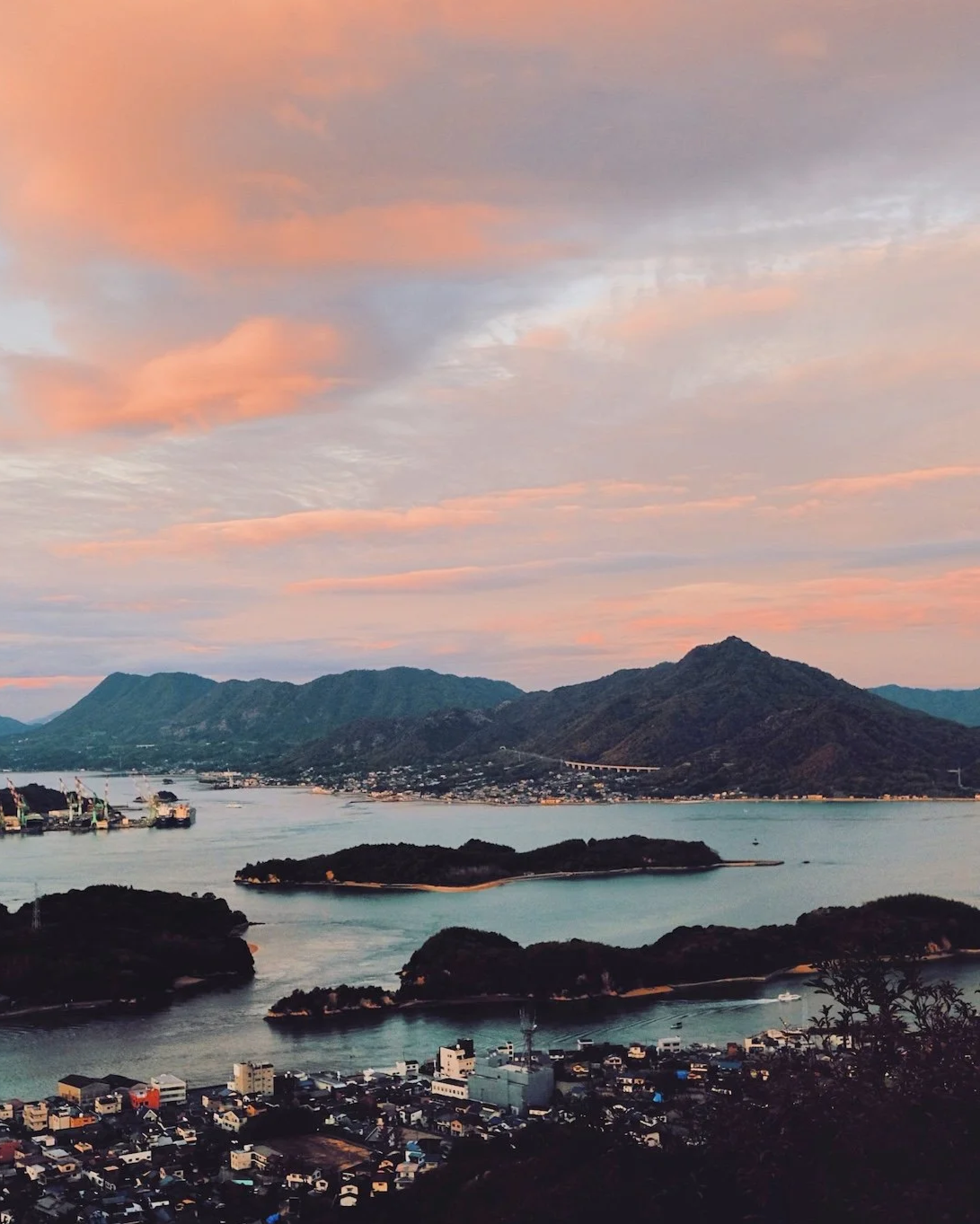
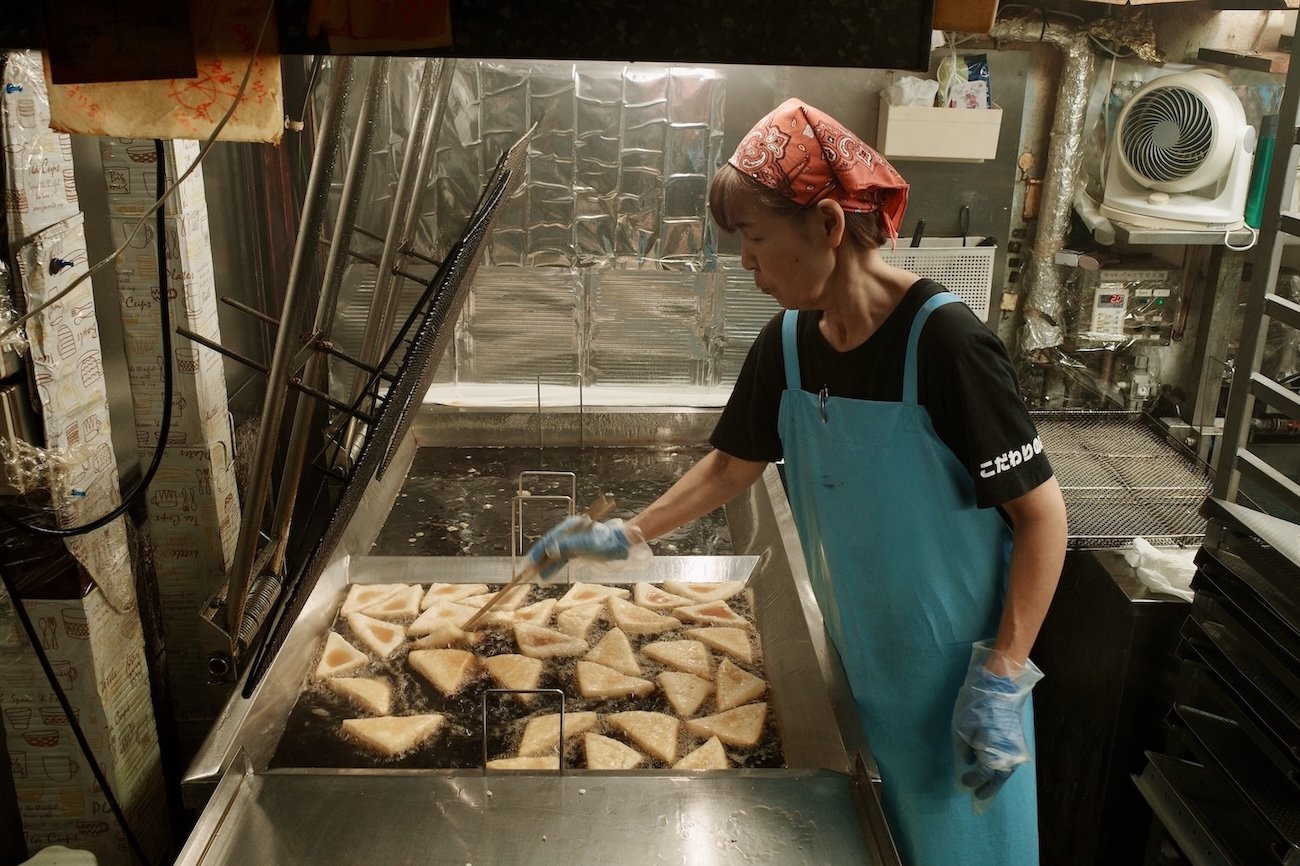
KM: I often return to Shikoku, especially Ehime Prefecture. The region feels so expansive, even after dozens of visits, there are still places I haven’t reached. What draws me back most is the warmth of the people and the strong sense of community, which has even inspired plans to open a small inn there in the future, aimed at connecting visitors with local artisans. Akita and Aomori Prefectures draw me north each winter, where snowy hot springs and steaming bowls of ramen after cold walks create a sense of comfort that I miss so much in big cities.
ST: Why did you launch Inner Japan private tours now—and what principles guide how you design them (pace, values, what guests take home)?
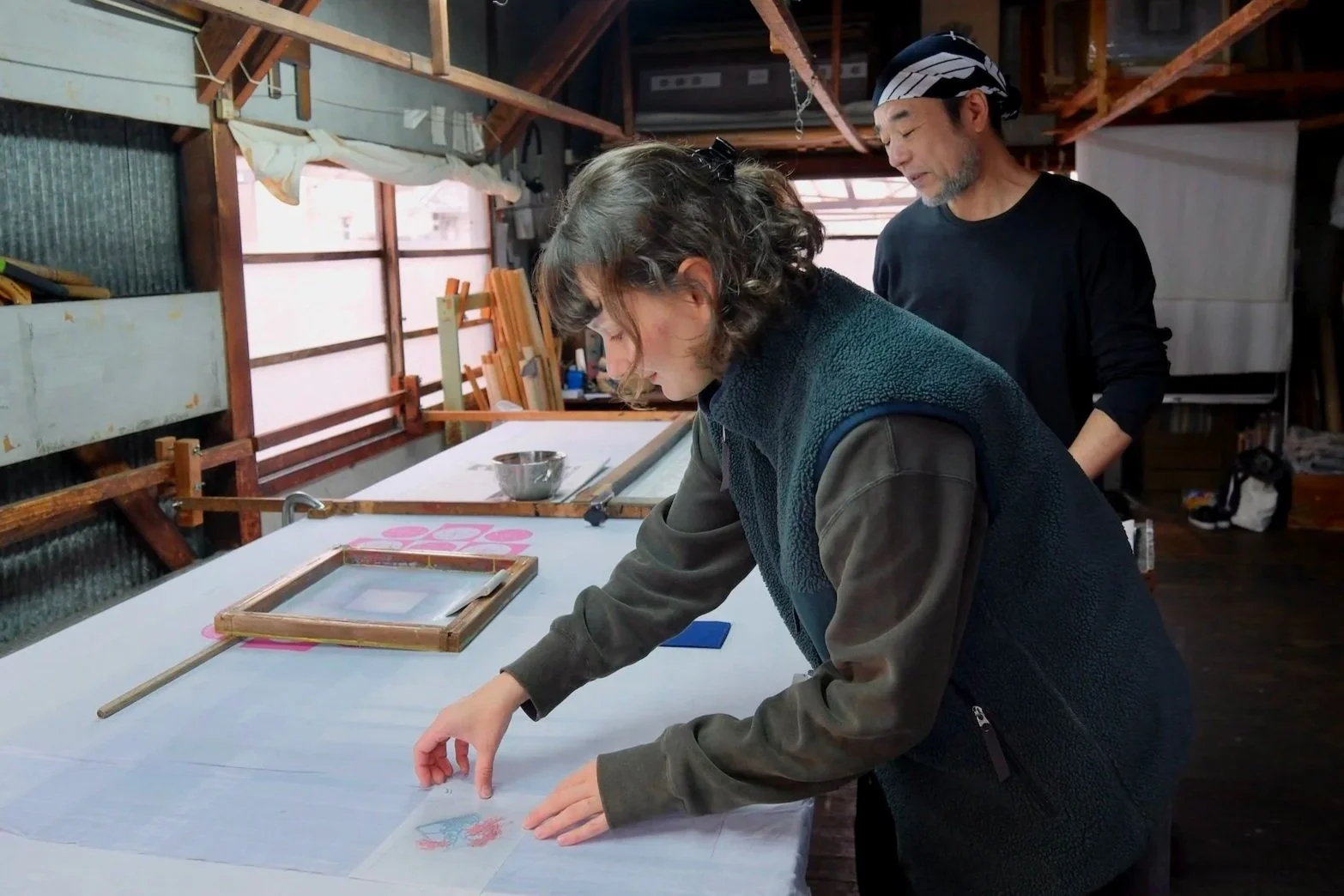
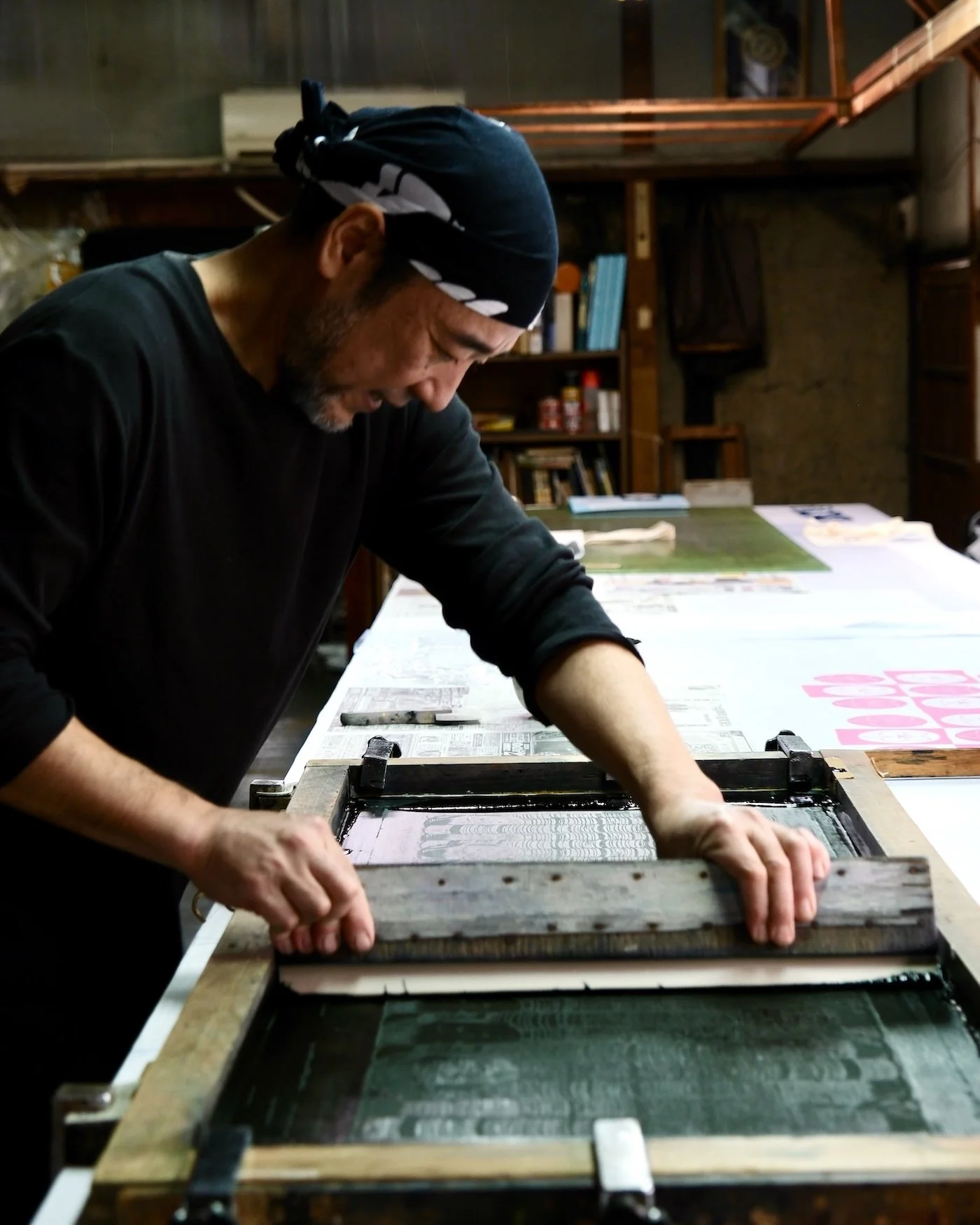
KM: Through my work, I’ve had the opportunity to travel across Japan and meet many artists, craftspeople, and communities whose work and places deserve greater visibility and support. Some of the most culturally rich destinations receive very few visitors, and over time, I began to see travel not just as movement, but as a way to sustain these environments by connecting thoughtful travelers with local life. The tours grew from this perspective. Each experience is rooted in places I have personally visited and relationships built with local artisans and guides I trust. They are intentionally small and paced slowly, designed not around famous landmarks but around learning a craft, sharing a meal with locals, or simply spending time in a place without hurry. Most of all, I wanted to create opportunities for guests to feel a sense of community, even without speaking the language. Ultimately, these tours are not meant to be an endpoint, but a beginning, an invitation to encounter parts of Japan that often remain overlooked and to continue exploring the country with curiosity and confidence.
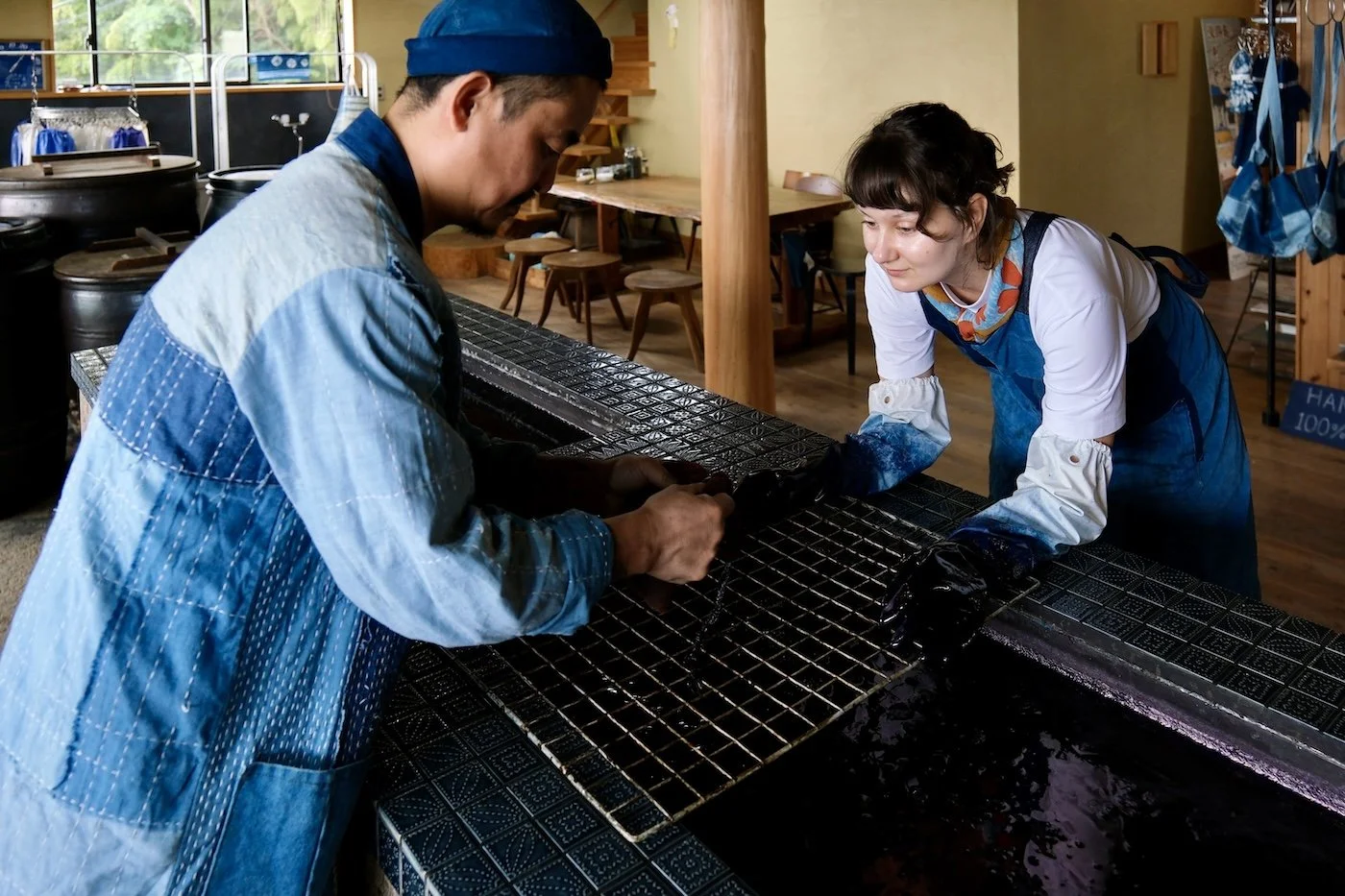
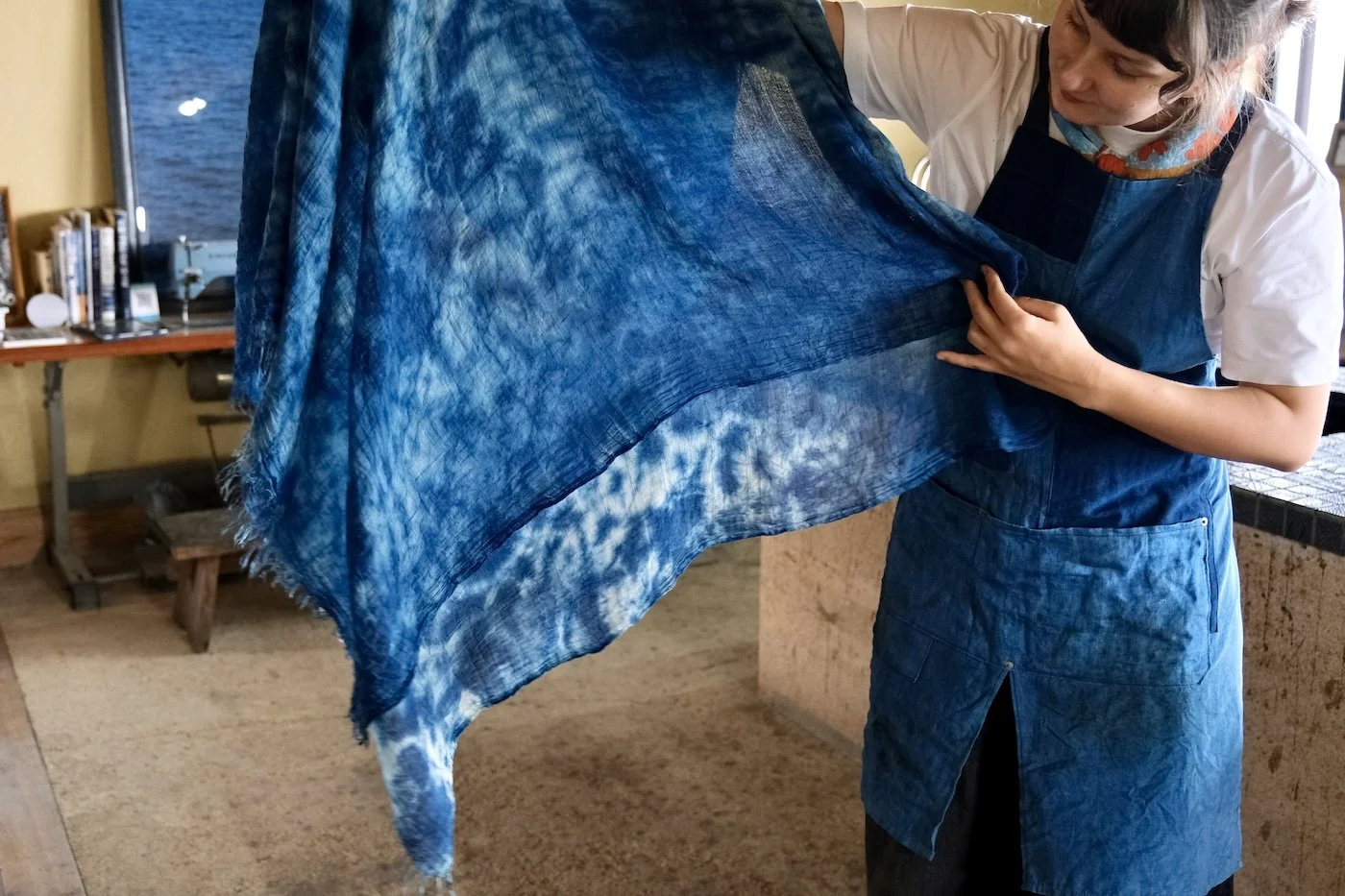
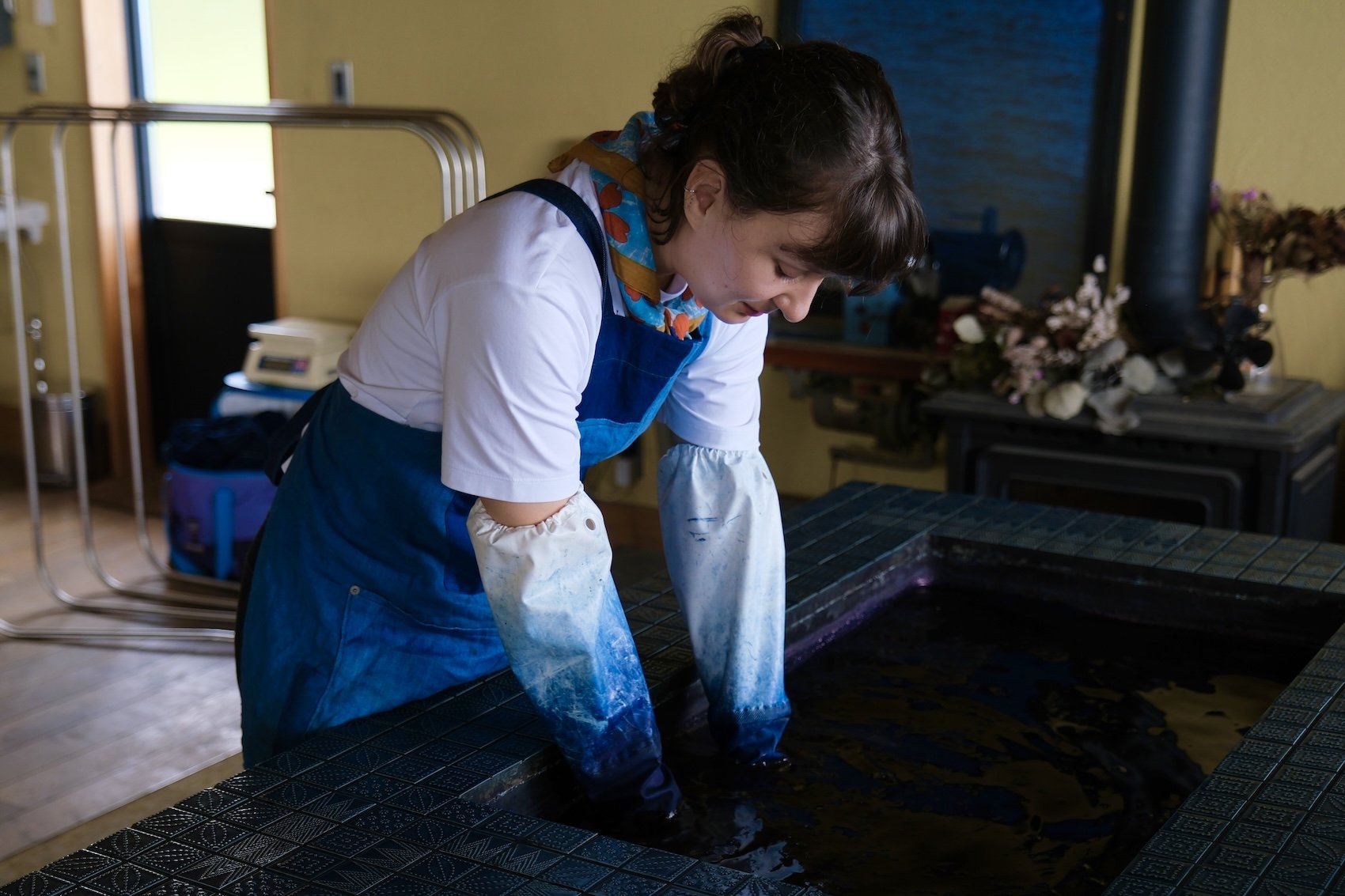
Inner Japan’s tours are an extension of the same philosophy Kristina speaks about in this interview: pacing over pressure, depth over highlights, and travel shaped with care. You can discover the private tours here: https://inner-japan.com/tours
Instagram: @sugalenin
RELATED CONTENT

