Munich, Winter-Curated: The Classics Through a Quieter Lens
Munich in winter goes far beyond the Christmas markets, inviting thoughtful, off-season exploration: snow-dusted landscapes, serene interiors, and a gentler rhythm. With distinctive architecture, rich gastronomy, close connection to nature, and deep-rooted tradition, Munich—Bavaria’s southern capital—offers winter stillness and magic.
Munich becomes a winter fairytale: snow covers the city, cool air fills the streets, and early light creates a peaceful atmosphere. This season isn’t for rushing from highlight to highlight—it’s for letting the city unfold slowly, with warm pauses along the way.
This guide presents 10 winter-curated suggestions for a 3–4-day visit—classic Munich, seen through a quieter lens, and ideal outside peak season. Alongside favourites like the Old Town and Residenz Palace, it also highlights less-obvious stops such as the Botanischer Garten and the Westend district. Drawing on a decade of personal experience living in the city, this route moves naturally between outdoors and indoors, so you can enjoy Munich comfortably from November to March, even on the coldest days.
Munich in Winter Beyond the Christmas Markets: 10 Curated Local Favourites
1. Wander the Old Town (Altstadt) from Marienplatz outward:
Start exploring outdoors in Munich’s historic heart, Marienplatz—one of the most vibrant spots to experience the city in winter, while taking in the medieval architecture and nearby landmarks.
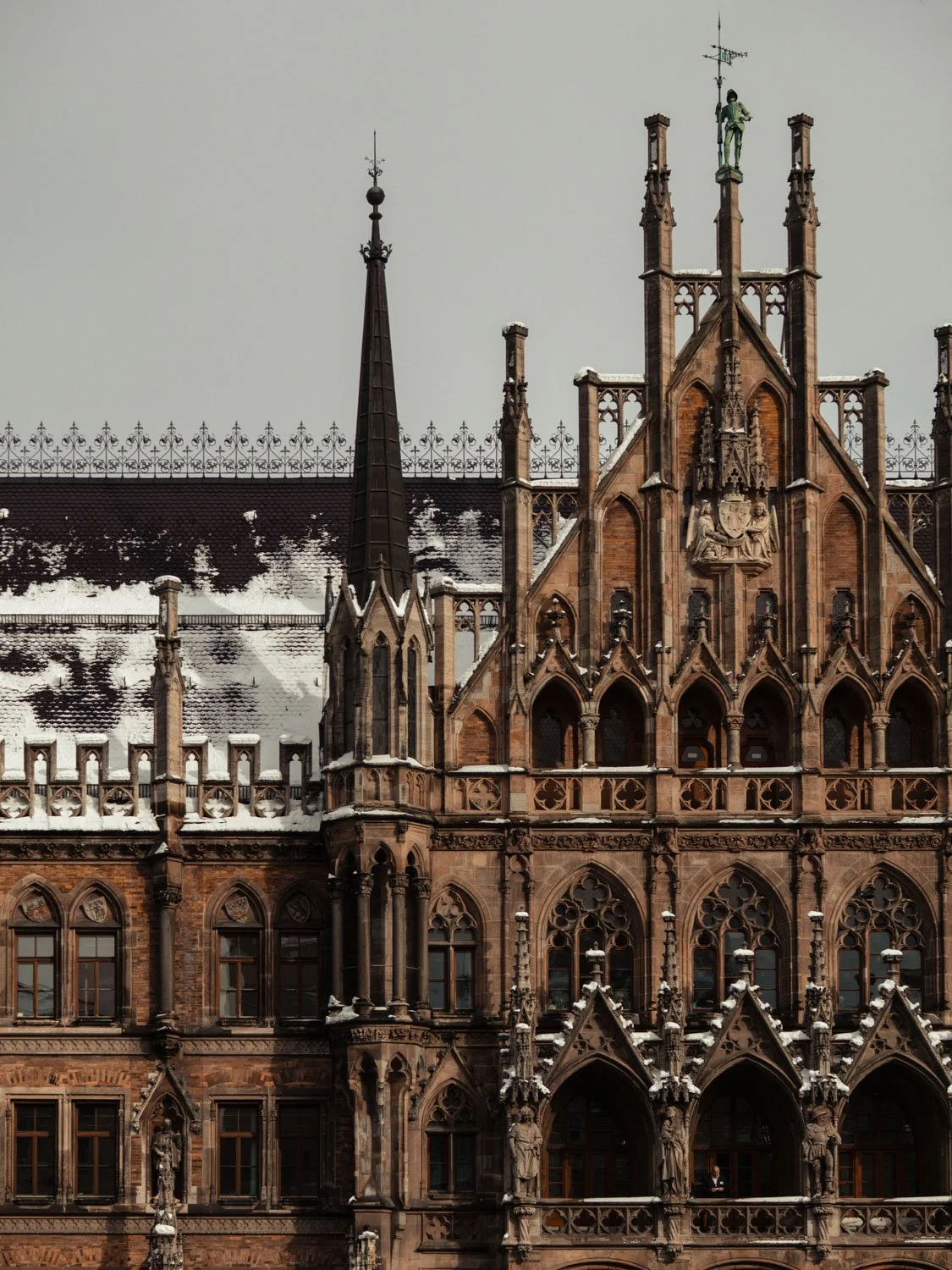
On snowy days, the Old Town feels quieter and more intimate: rooftops soften in white, footsteps resonate gently, and the city’s neo-Gothic details stand out. From Marienplatz, see iconic views of the Frauenkirche’s twin towers and the ornate façade of the New Town Hall.
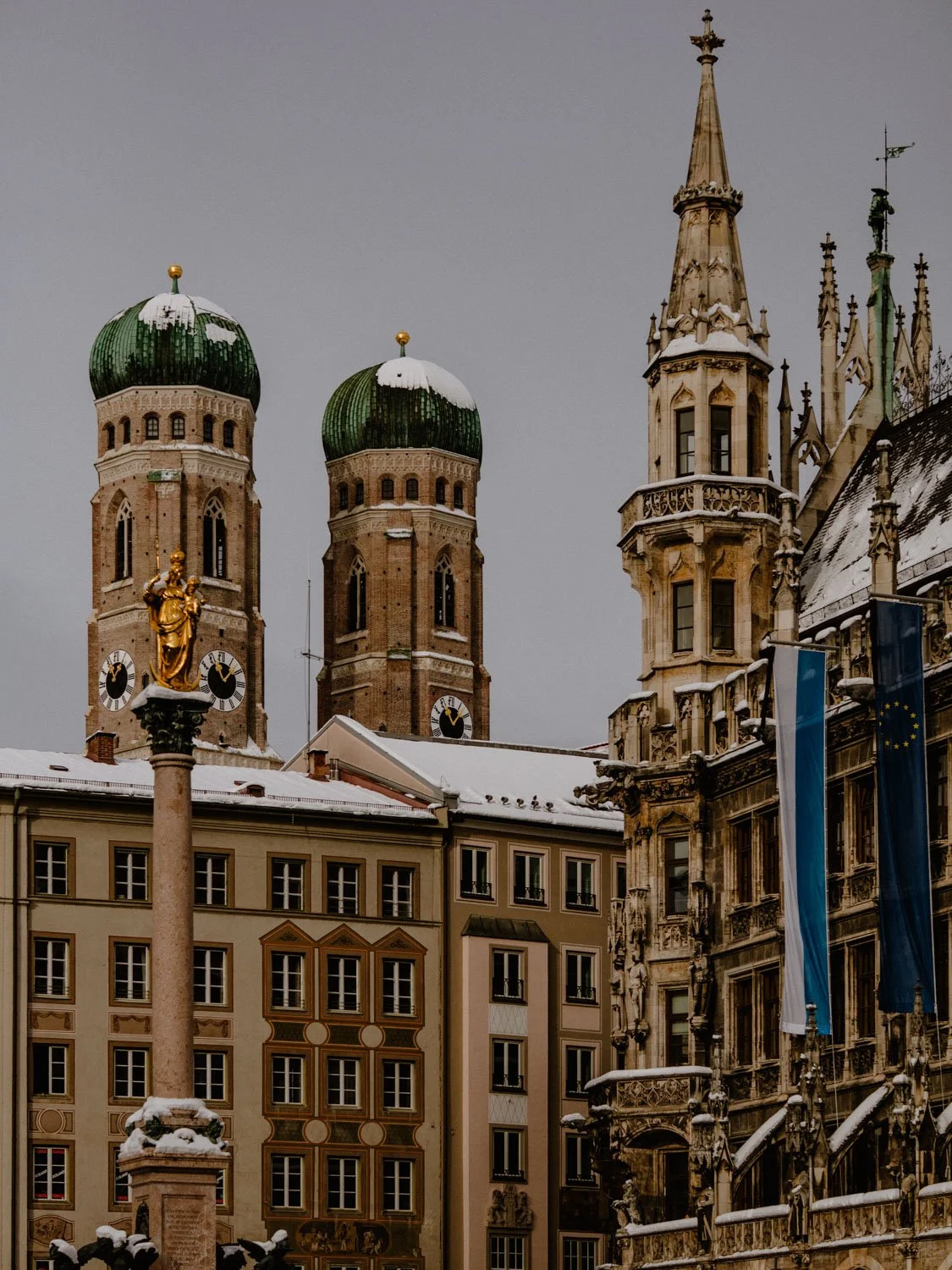
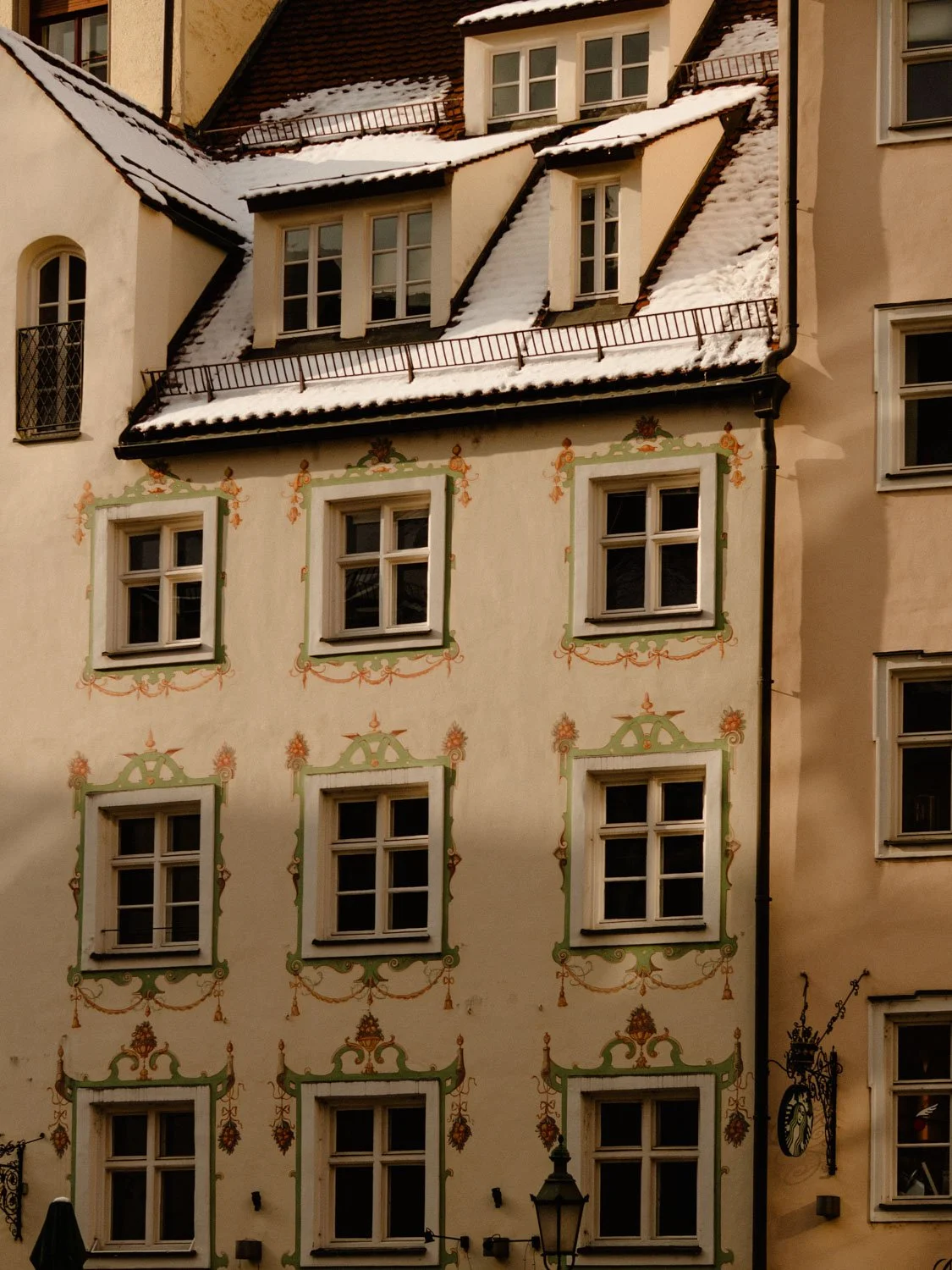
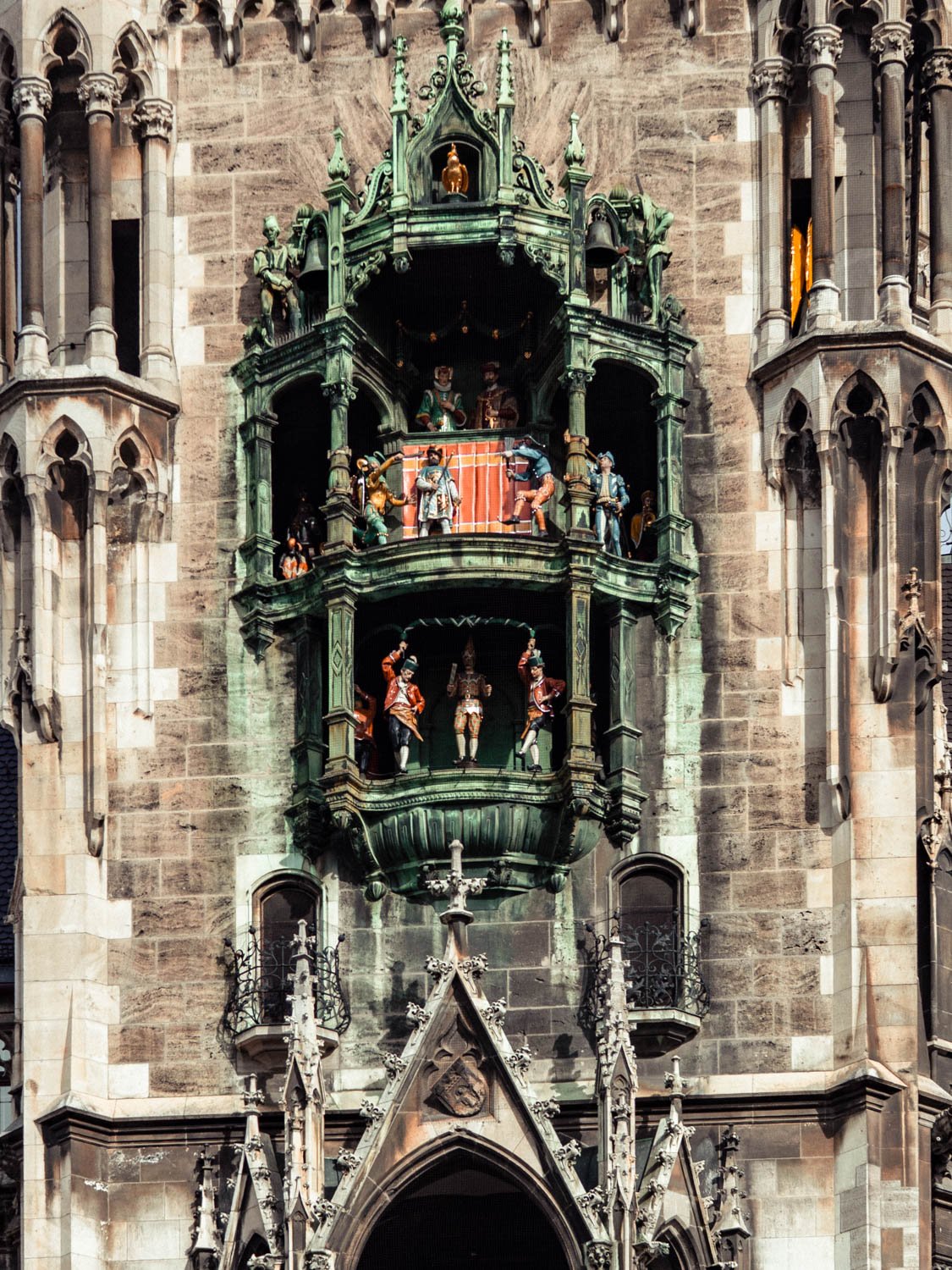
On clear days, take the Town Hall tower elevator for panoramic city views. On the best days, the Alps appear on the horizon. Time your visit for the Rathaus-Glockenspiel, a clock which recreates historical scenes with moving figures and music. Performances run daily at 11:00 and 12:00, with an extra 17:00 show from March to October. Enjoy this Munich classic with a warm drink in hand.
2. Explore the New Town Hall (Neues Rathaus) interiors on Marienplatz:
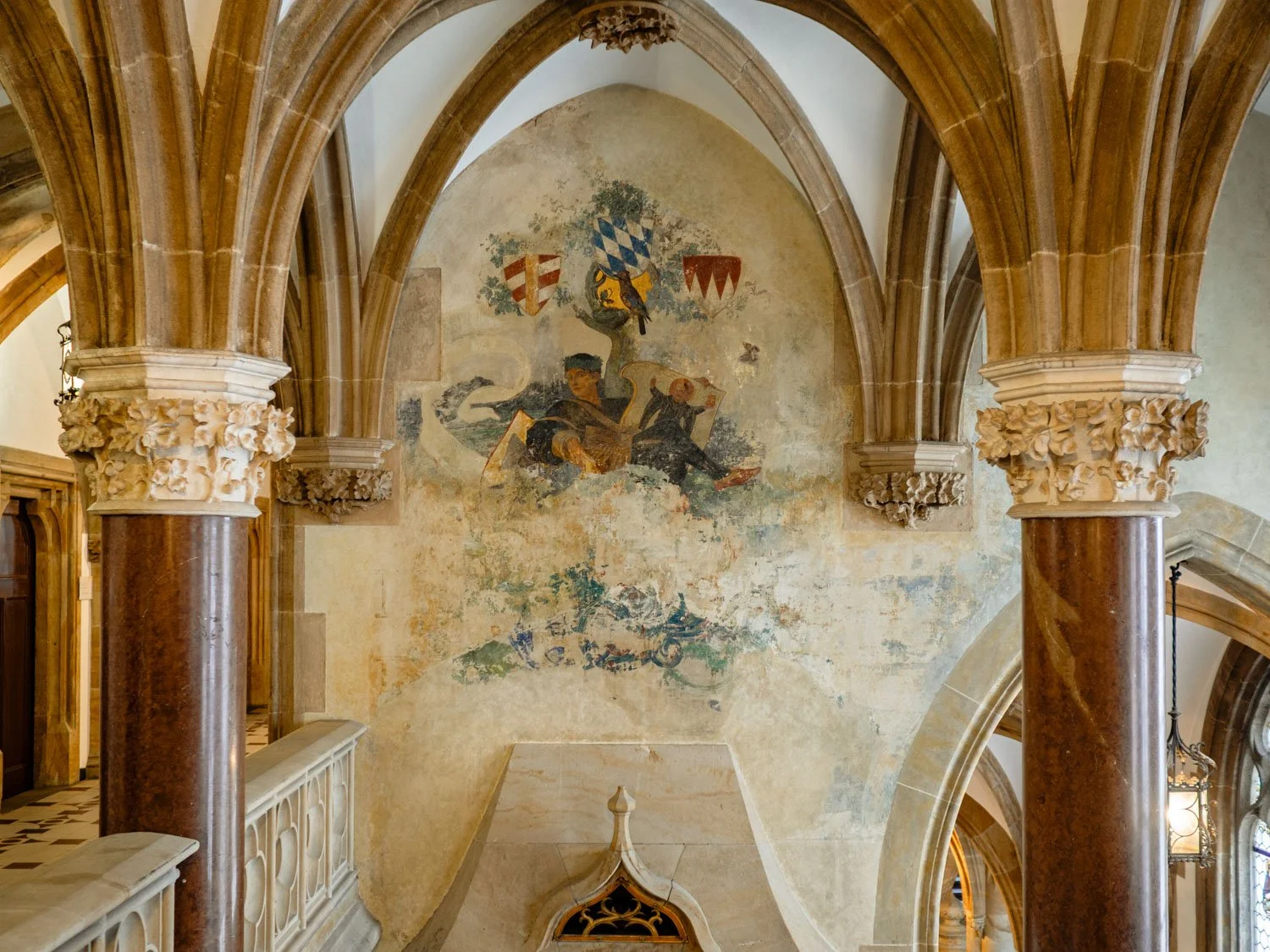
Soak up the local culture and step inside the New Town Hall public areas, where the atmosphere shifts from the neo-Gothic drama of the façade to a quieter kind of grandeur—carved details, high ceilings, and corridors painted with historic scenes, making the building feel like a small city within the city.
For a deeper look, join a Munich guided Town Hall tour, which typically includes the representative rooms and a short moment on the Rathaus balcony—except in December, when it isn’t accessible.
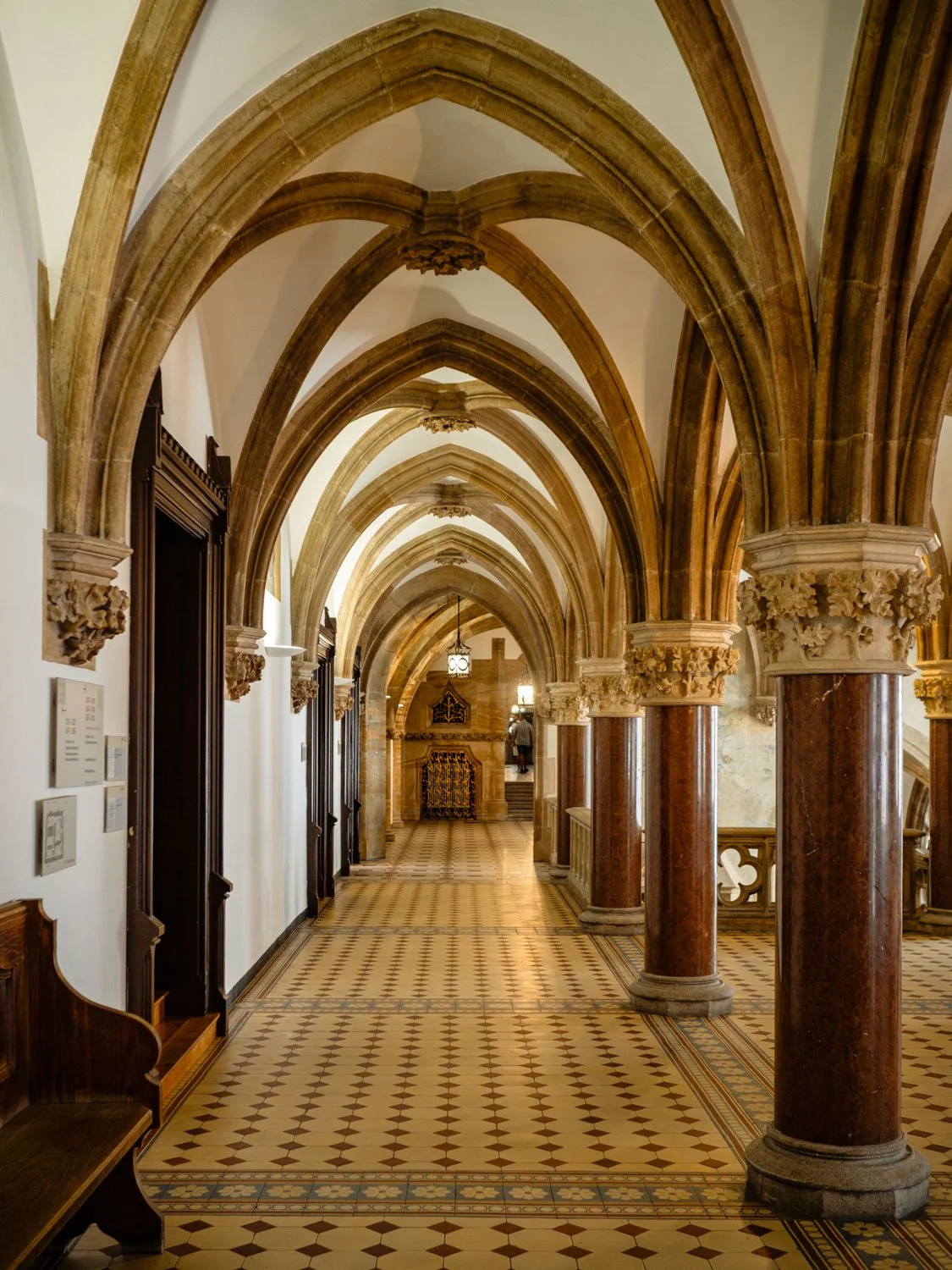
A highlight is the Law Library (Juristische Bibliothek), an impressive wood-lined reading room featured in multiple visual media productions. While access is usually limited to law students, certain guided tours—often held in English on weekends—offer a chance to visit this cinematic space.
3. Dip into Munich’s street life and food culture at Viktualienmarkt:
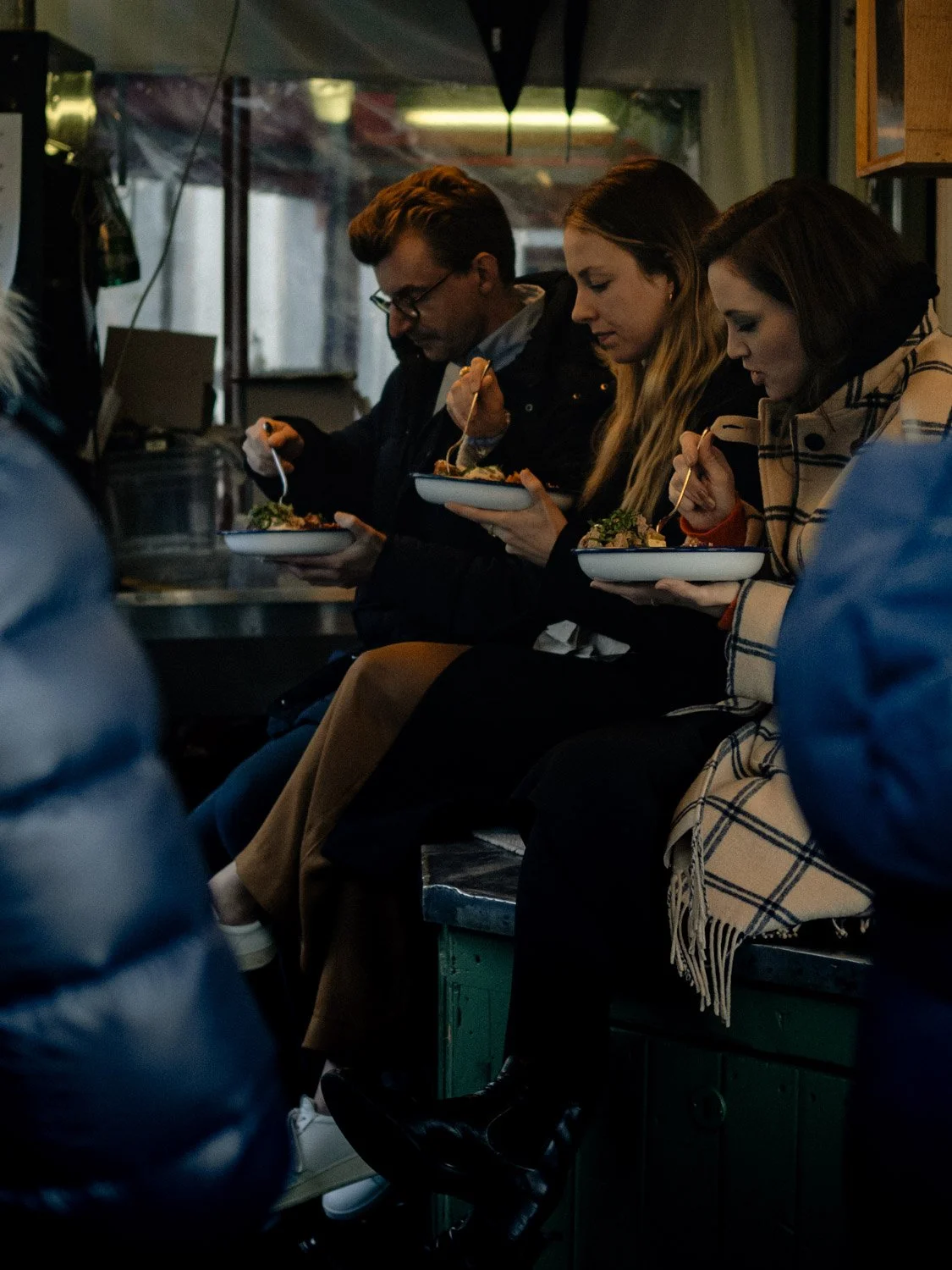
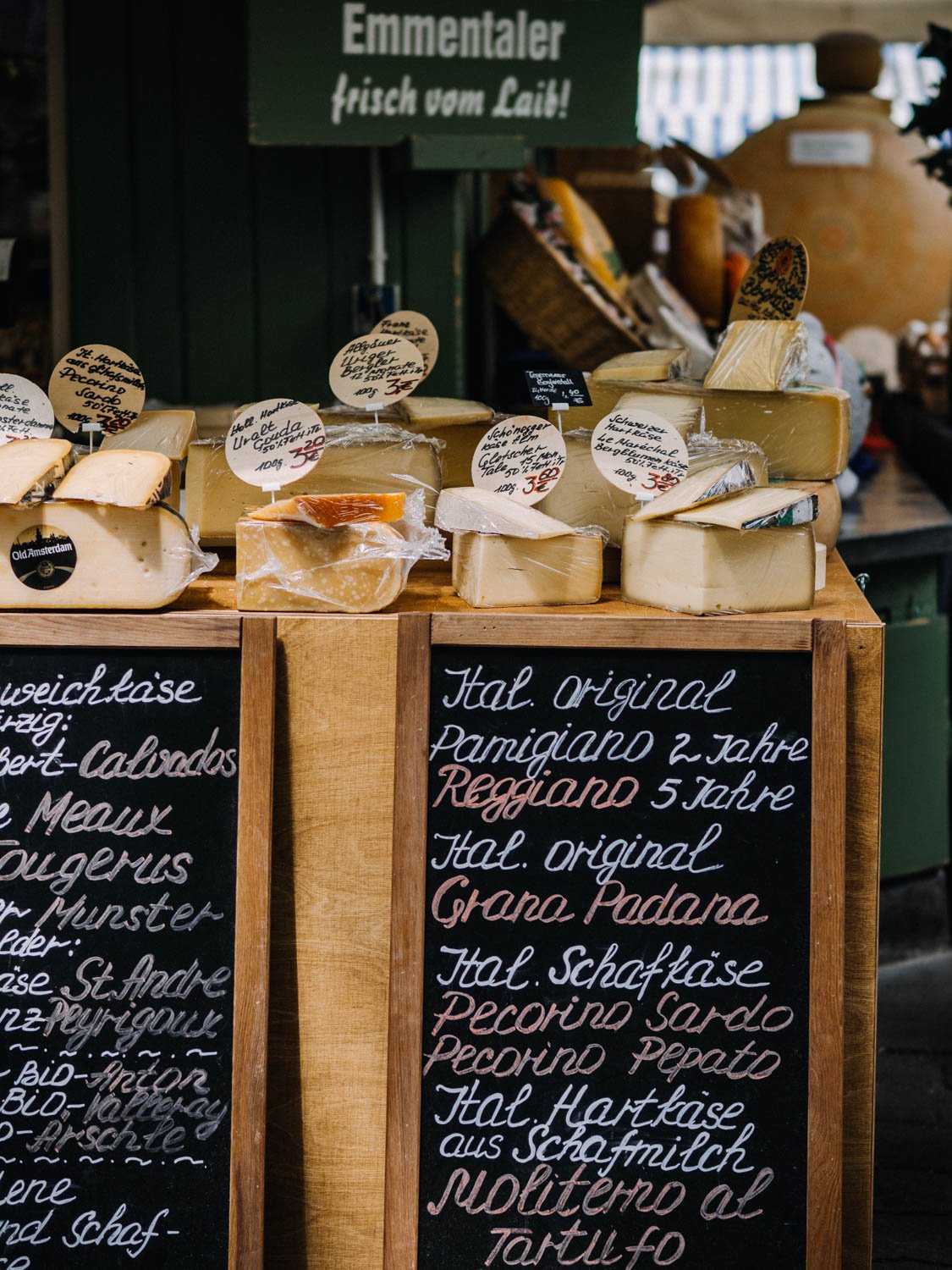
Just a short walk from Marienplatz, this open-air market is one of the city’s best places for an unhurried pause—especially in winter. Browse stalls for fresh produce, cheeses, and seasonal specialties, then warm up with a soothing bite: a bowl of soup or a traditional German sweet. For an easy stop, try Münchner Suppenküche for soup and Lea Zapf Pâtisserie for pastries.
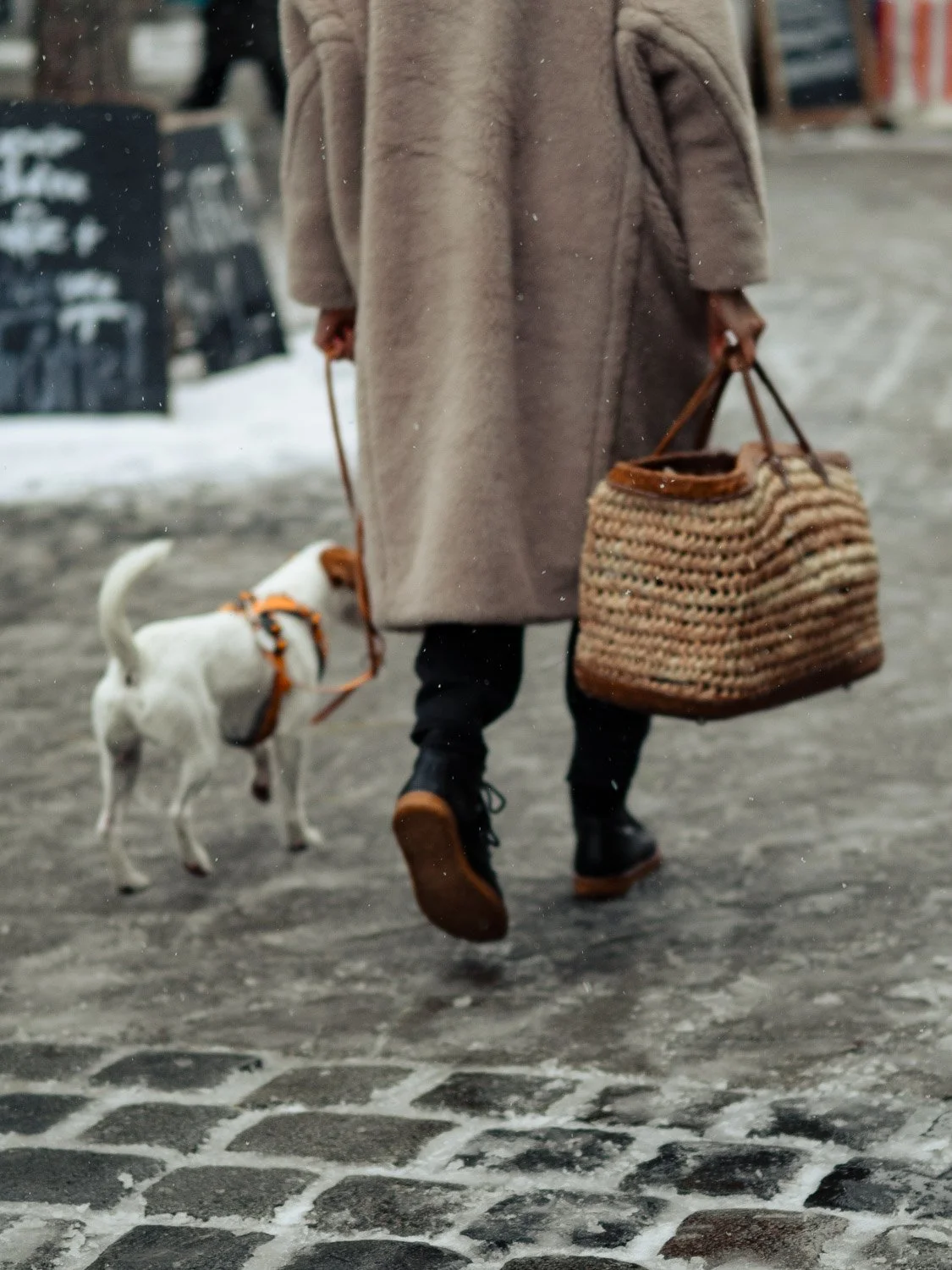
On cold days, a cup of mulled wine (Glühwein) makes the pause feel even better as you watch the city’s everyday rhythm—locals shopping, chatting, and moving through the market’s narrow paths, sometimes lightly covered in snow. Viktualienmarkt is no longer purely local, but it still feels like a genuine slice of Munich, where residents and visitors mingle.
4. Roam freely towards Odeonsplatz, with a stop at the Nationaltheater:
Stay in central Munich and continue toward the northern edge of the Old Town until the city opens into Odeonsplatz—an elegant square framed by large façades and landmark architecture: the Feldherrnhalle, the honey-colored Theatine Church (Theatinerkirche), and the entrance to Munich’s court garden, Hofgarten.
Pause at Max-Joseph-Platz and see the Nationaltheater, home to renowned opera, ballet, and orchestra performances. Even without attending a show, appreciate the theatre’s striking architecture and observe how the square serves as a peaceful crossroads for locals.
Stroll through the Hofgarten beside the Residenz Palace and enjoy the view toward the Theatine Church at Odeonsplatz. Then, stop for a warm break at Maelu Confectionery & Café on the lively Theatinerstraße.
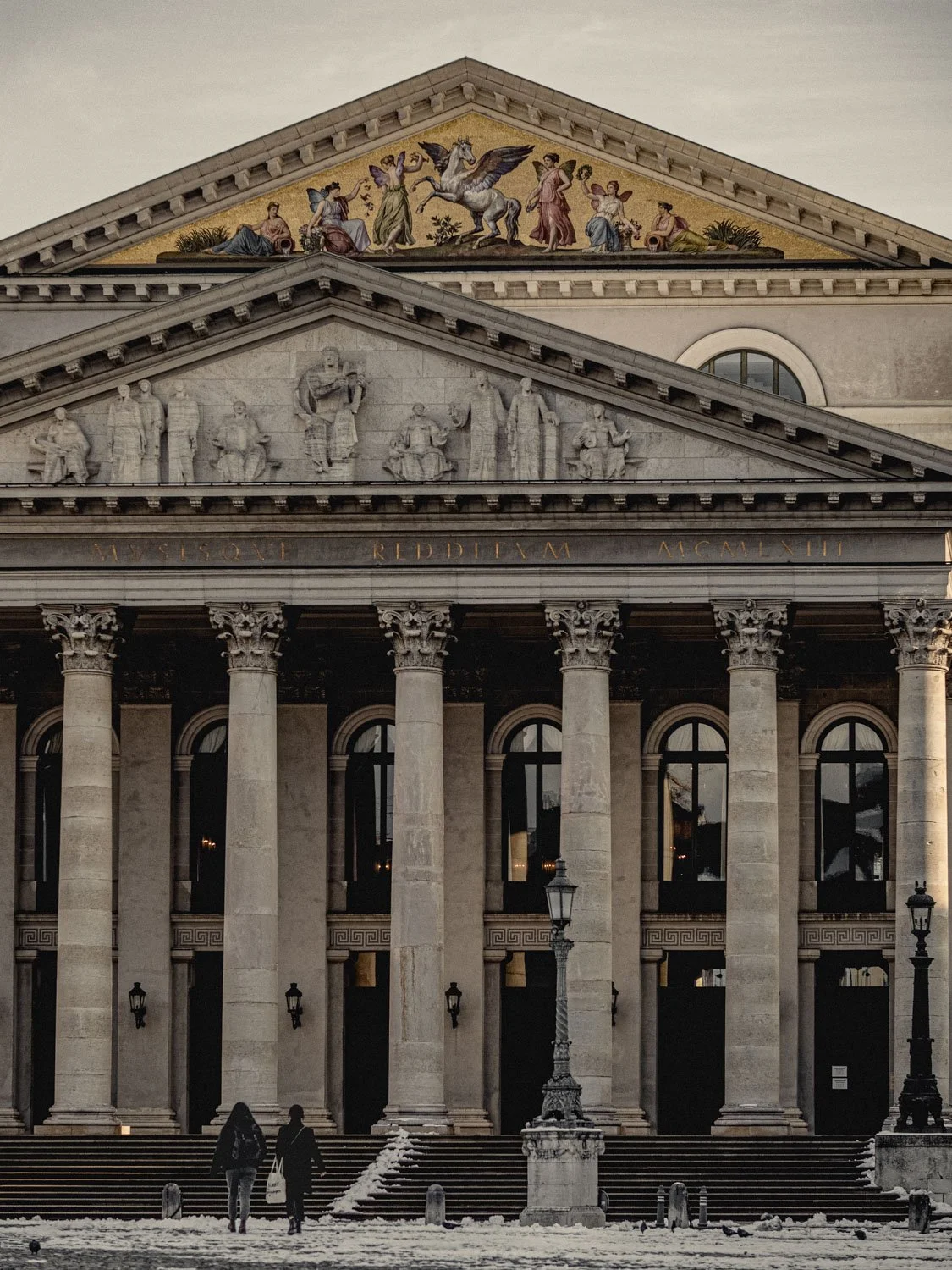
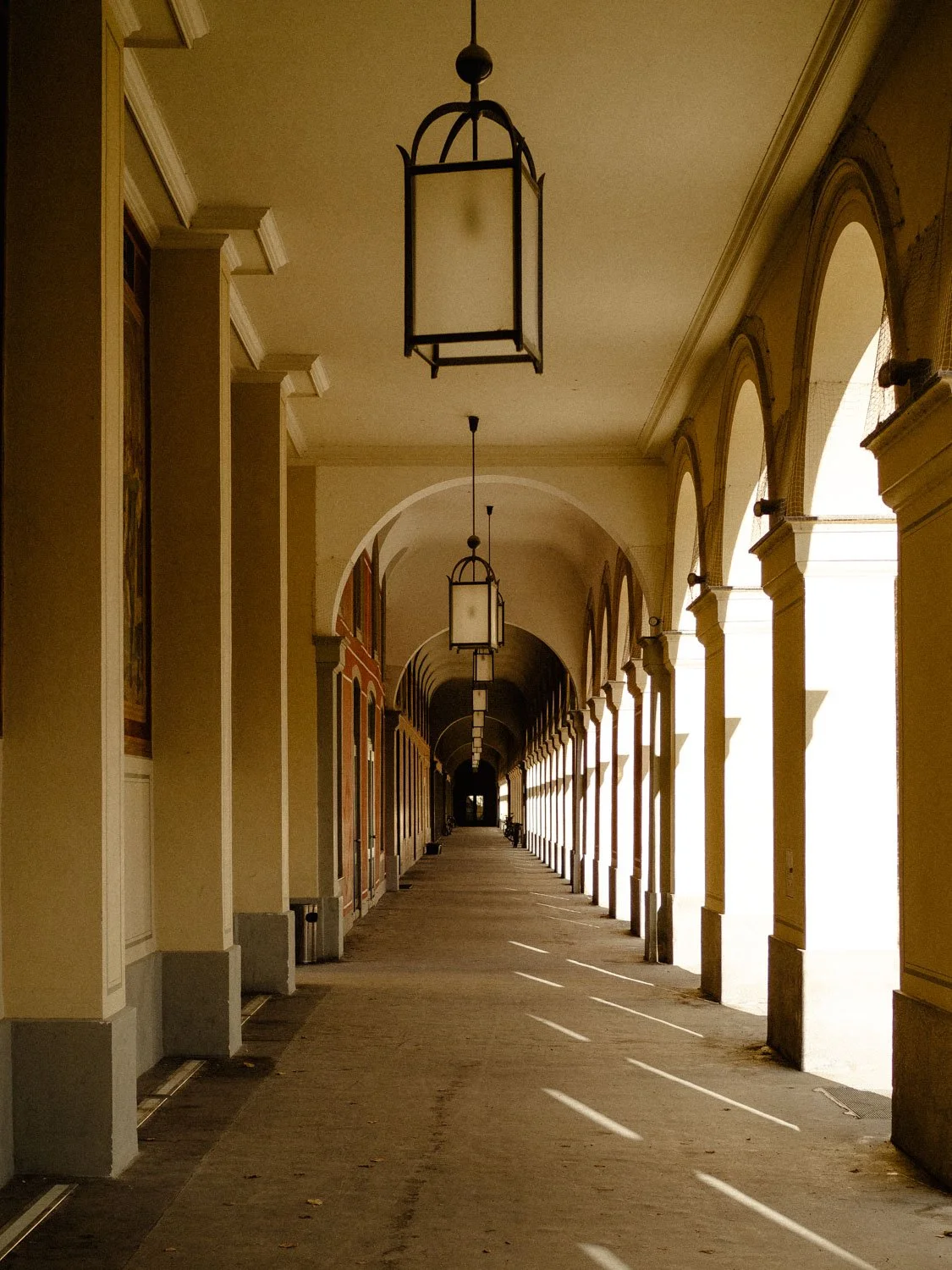
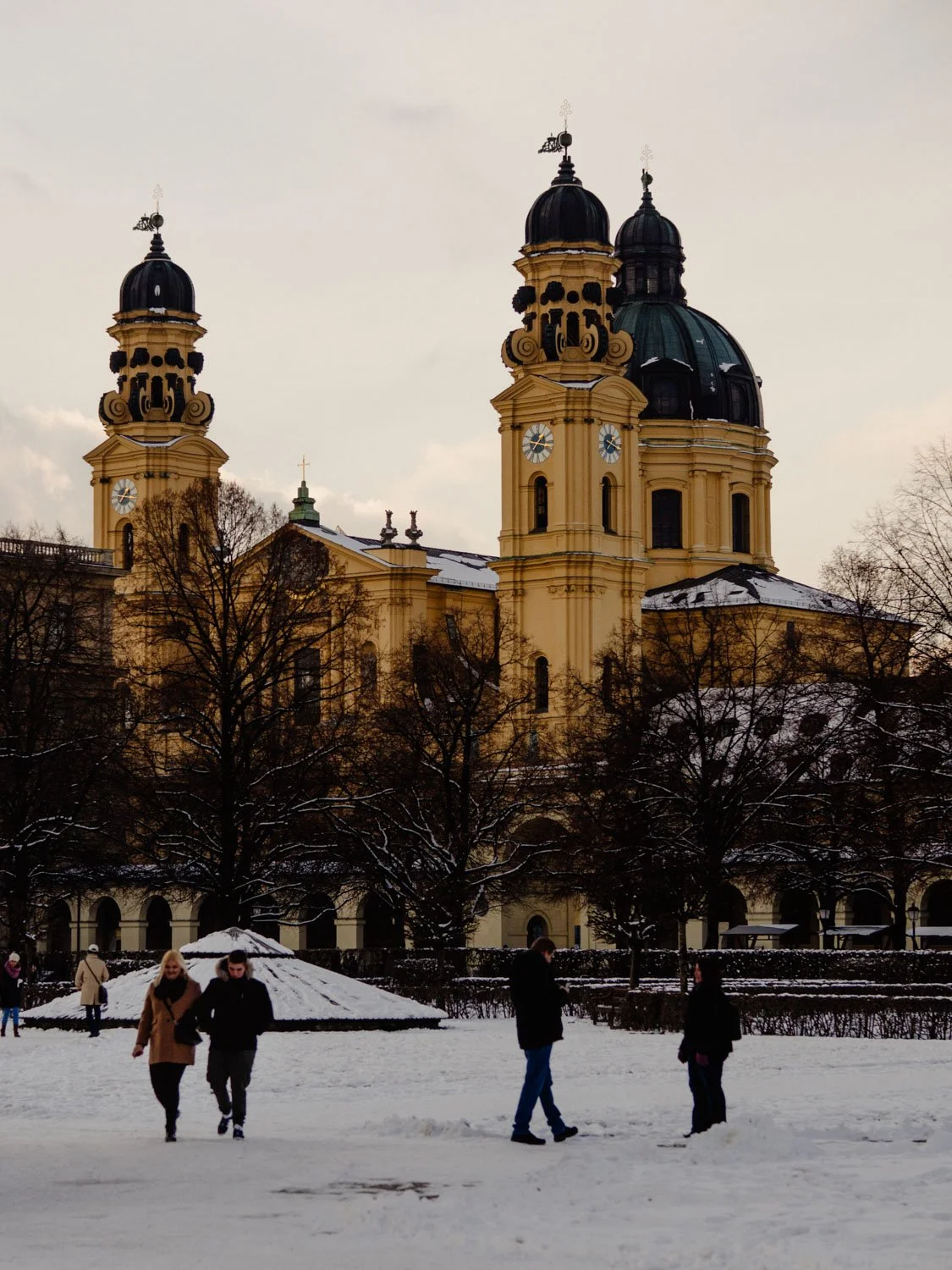
5. Step into the Residenz Palace for Munich’s most immersive indoor escape:
Just beside Odeonsplatz, the Munich Residenz is the city’s grandest historic interior—and one of Europe’s most important palace museums—perfect for a visit when the streets turn cold.
Inside, rooms unfold in a slow sequence: gold-leaf details, shiny surfaces, deep colour, and quiet courtyards washed with winter light. Its architecture spans Renaissance, early Baroque, Rococo, and Neoclassicism, which is why each section feels distinct as you move through it.
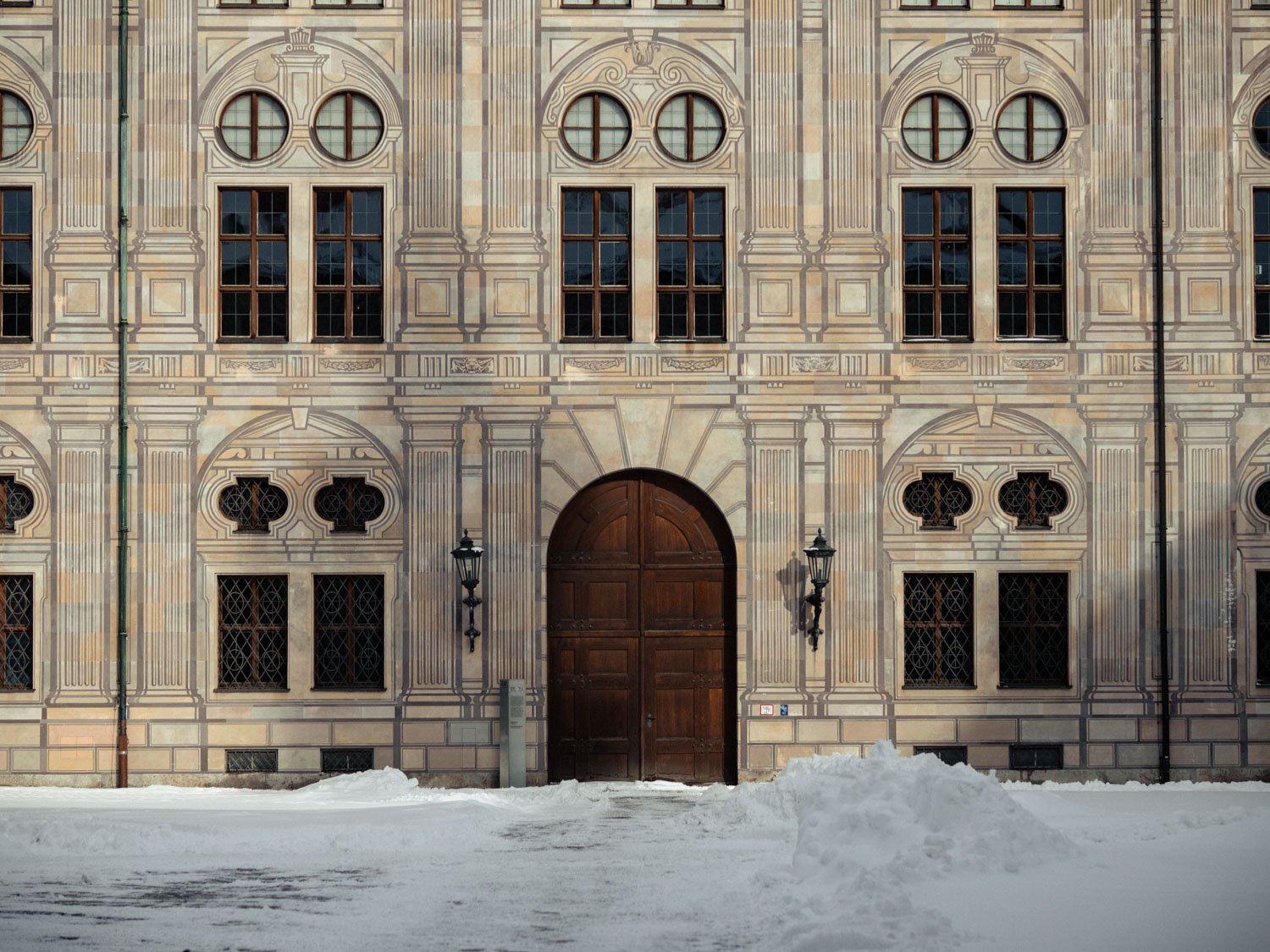
For a first visit, focus on the Residenz Museum; add the Treasury for extra craftsmanship and shimmer, and check if the Cuvilliés Theatre is open during your dates. Allow 2–3 hours if you like to wander at your own pace, and arrive early for a calmer experience (or book tickets ahead when possible). Afterwards, step back outside and reset with a short walk through the Hofgarten next door—especially serene in snow.
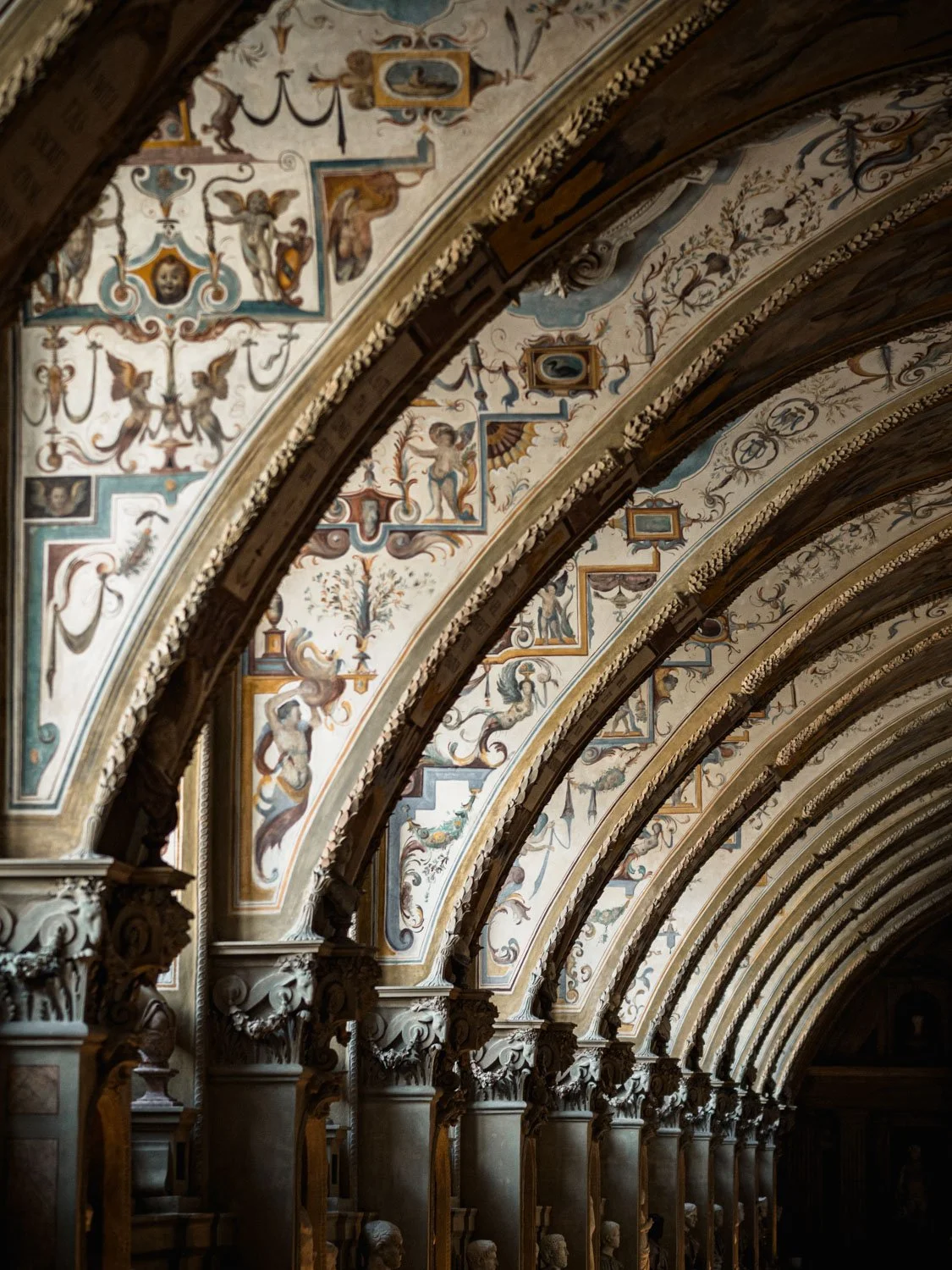
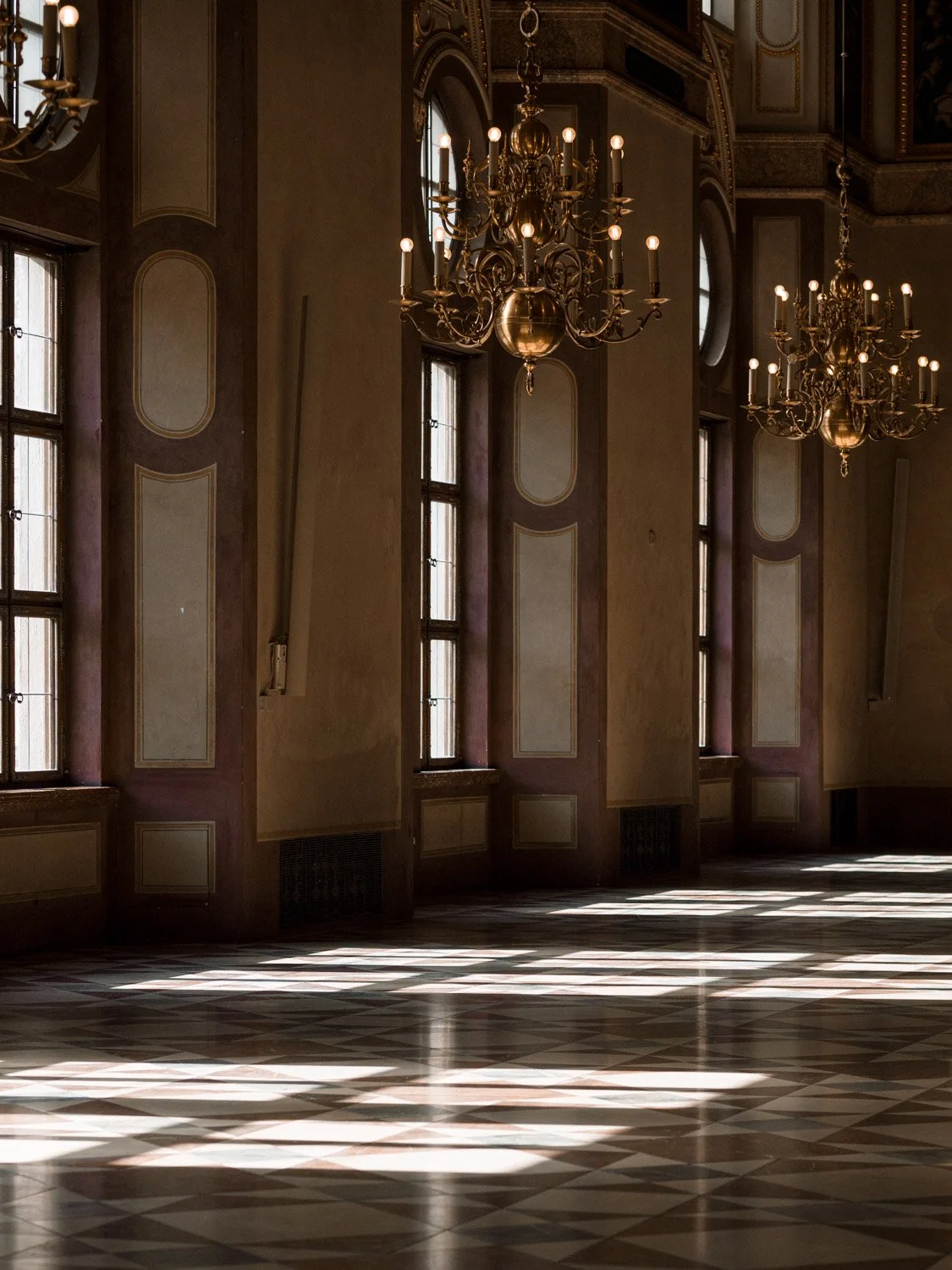
6. Shift toward nature and the city’s grand spaces at the Englischer Garten:
Trade the city’s stone and façades for winter nature in Munich’s largest park—an easy escape that is close to the center. From the Hofgarten, slip north through the Schwabing district and enter the Englischer Garten gradually, like the city quietly shifting towards stillness.
Follow the paths toward the Eisbachwelle. Watch river surfers—even in the cold—making their way through the water with steady focus while the fresh air bites around them. From there, climb to the Monopteros. The small Greek-style temple on a hill offers quiet views over the park. Then, loop back to the Chinese Tower (Chinesischer Turm) and its famous Biergarten. It keeps Munich’s outdoor culture alive—even in winter.
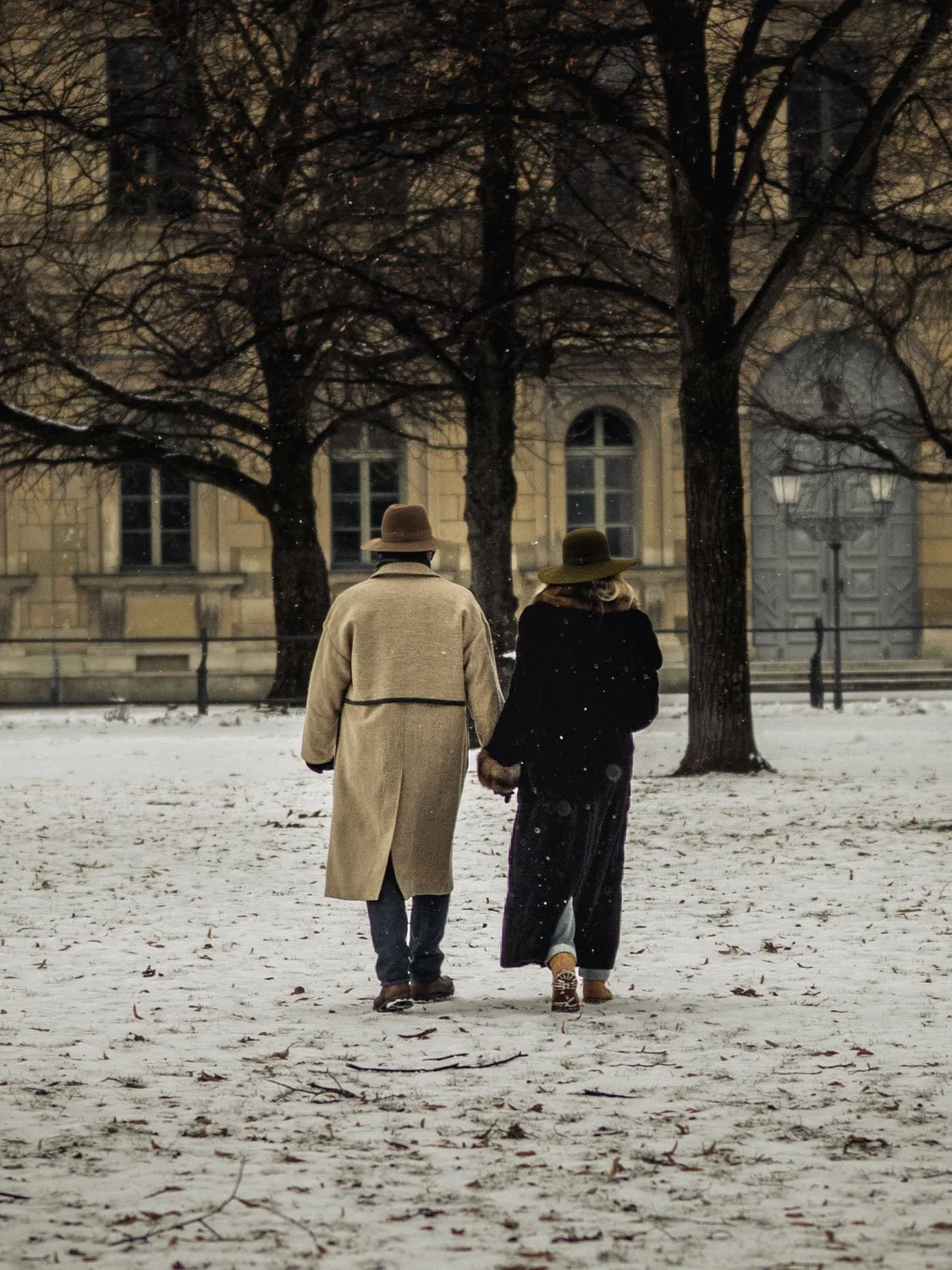
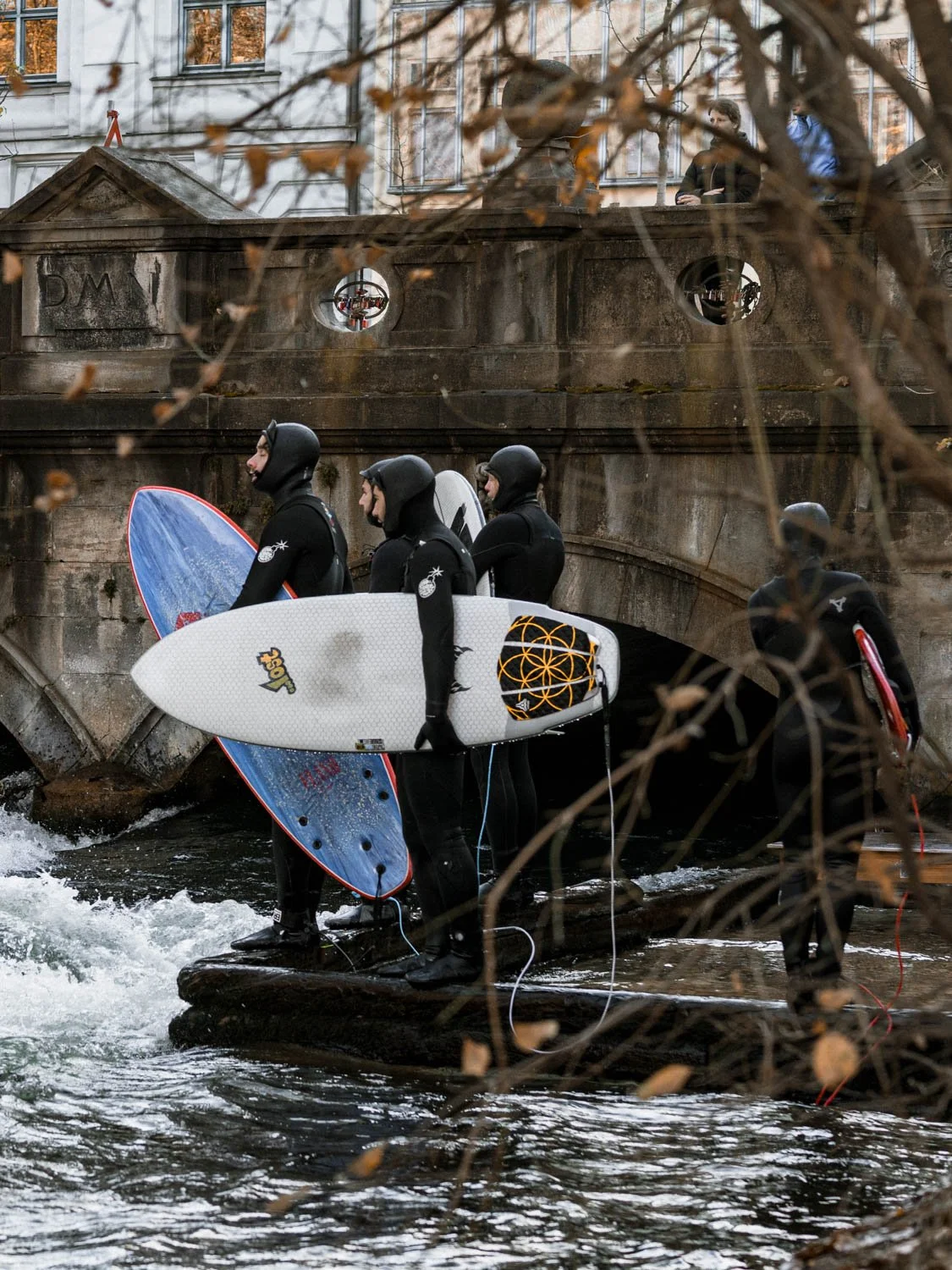
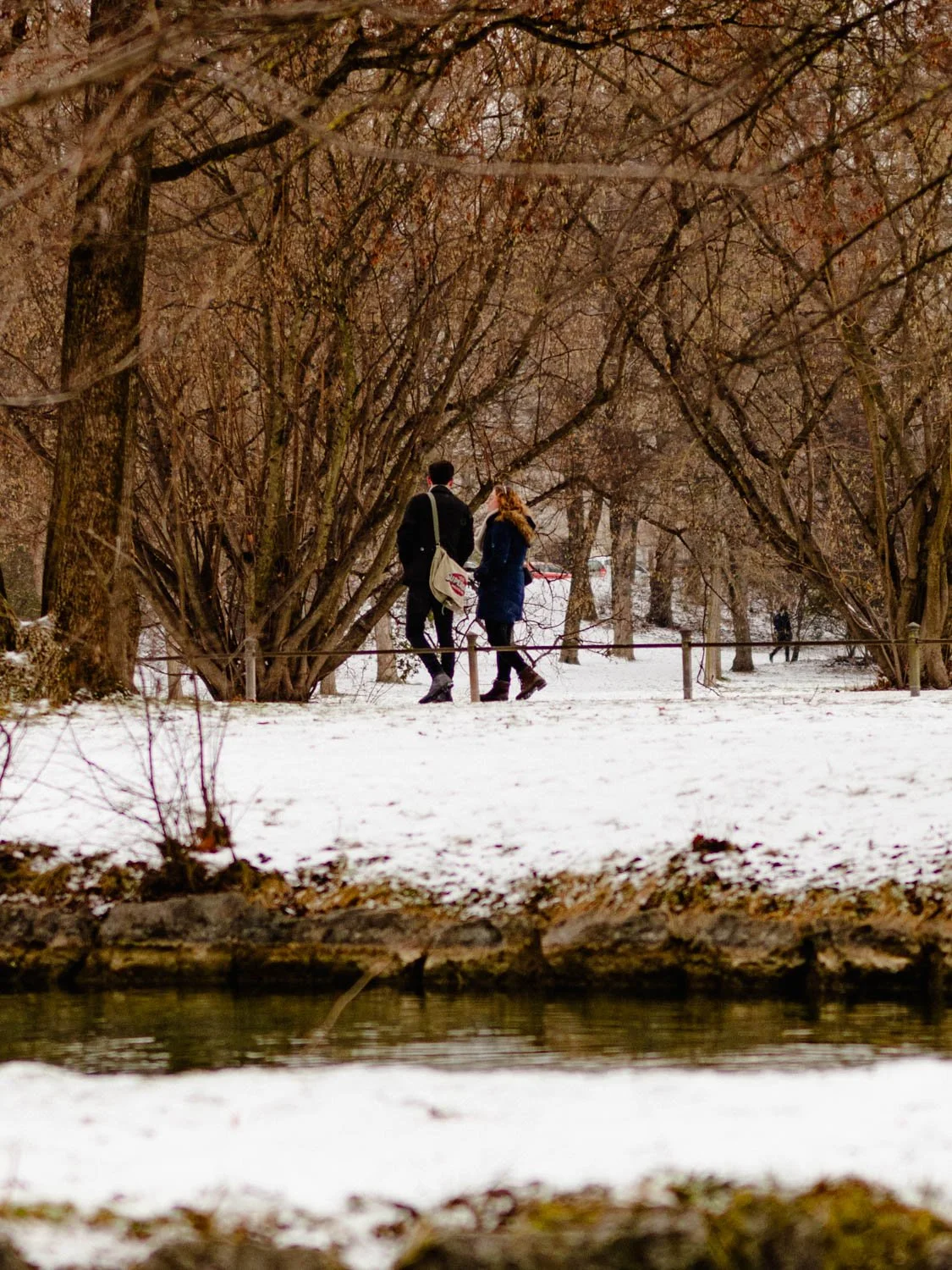
Fresh snow turns the Englischer Garten into Munich’s best winter escape. Long paths, pale light, and quiet invite long walks. Exit near Universität for a stroll and pause for Bavarian food at Max Emanuel Brauerei on Adalbertstrasse. Try schnitzel and save room for Kaiserschmarrn, a delicious warm dessert.
If you’re craving more outdoor winter atmosphere, head to Luitpoldpark in Schwabing-West—locals gather at Bamberger Haus to play Bavarian curling (Eisstockschießen), while others watch with mulled wine in hand.
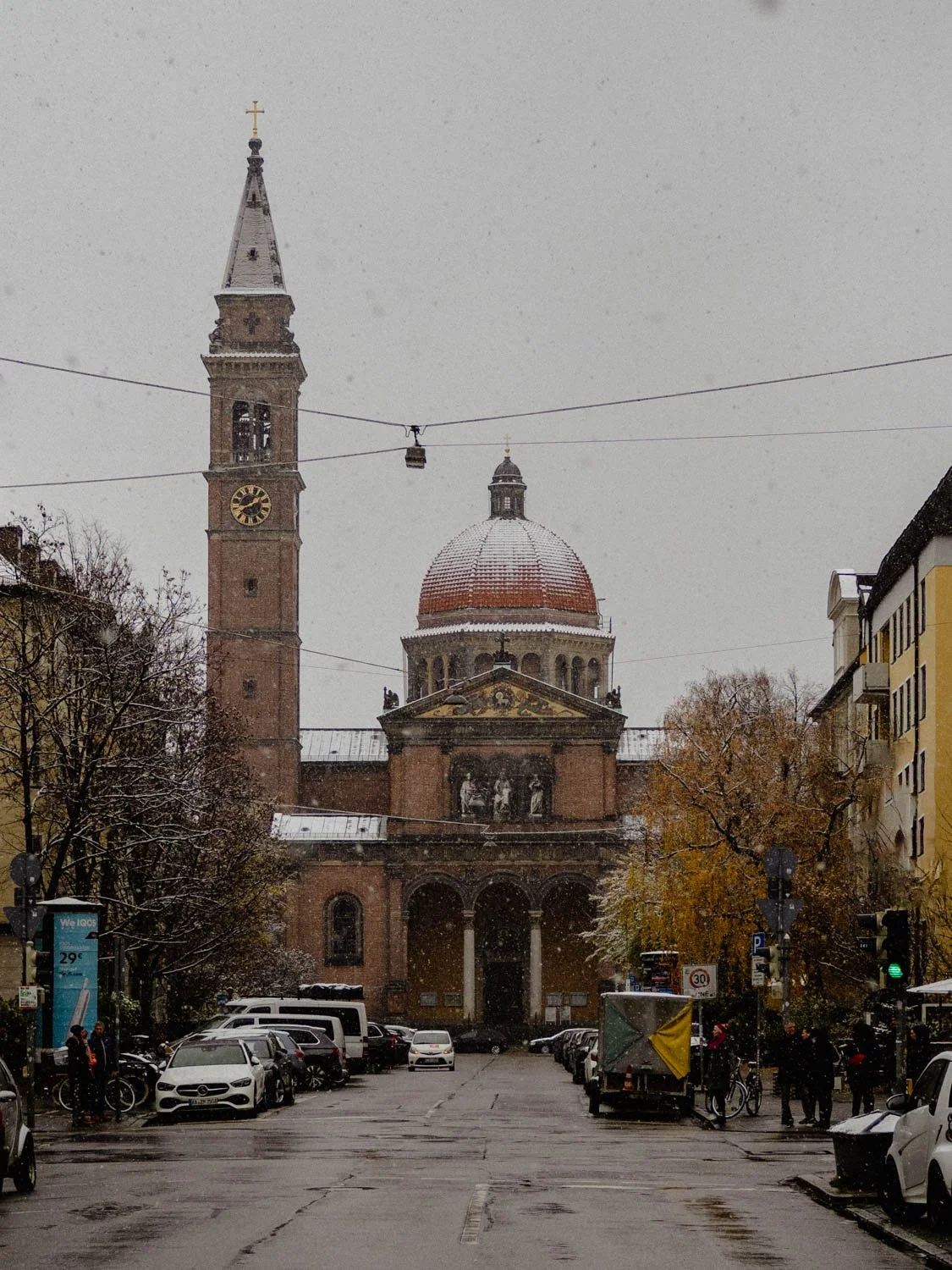

7. Visit the Pinakotheken for a dose of light, colour, and quiet:
Munich’s museum district (Kunstareal) in Maxvorstadt unites three Pinakothek museums—Alte Pinakothek, Neue Pinakothek (closed for renovation until 2030), and Pinakothek der Moderne—forming one of Europe’s key art complexes. Inside, quiet rooms and softened acoustics let the city fade away.
If you choose just one, make it the Alte Pinakothek: a beautifully paced collection of European Old Masters spanning from the 14th to the 18th centuries. The sequence moves through schools and eras with calm logic: Italian Renaissance and Baroque depth, Dutch and Flemish detail, and large-scale canvases best seen from a few steps back.
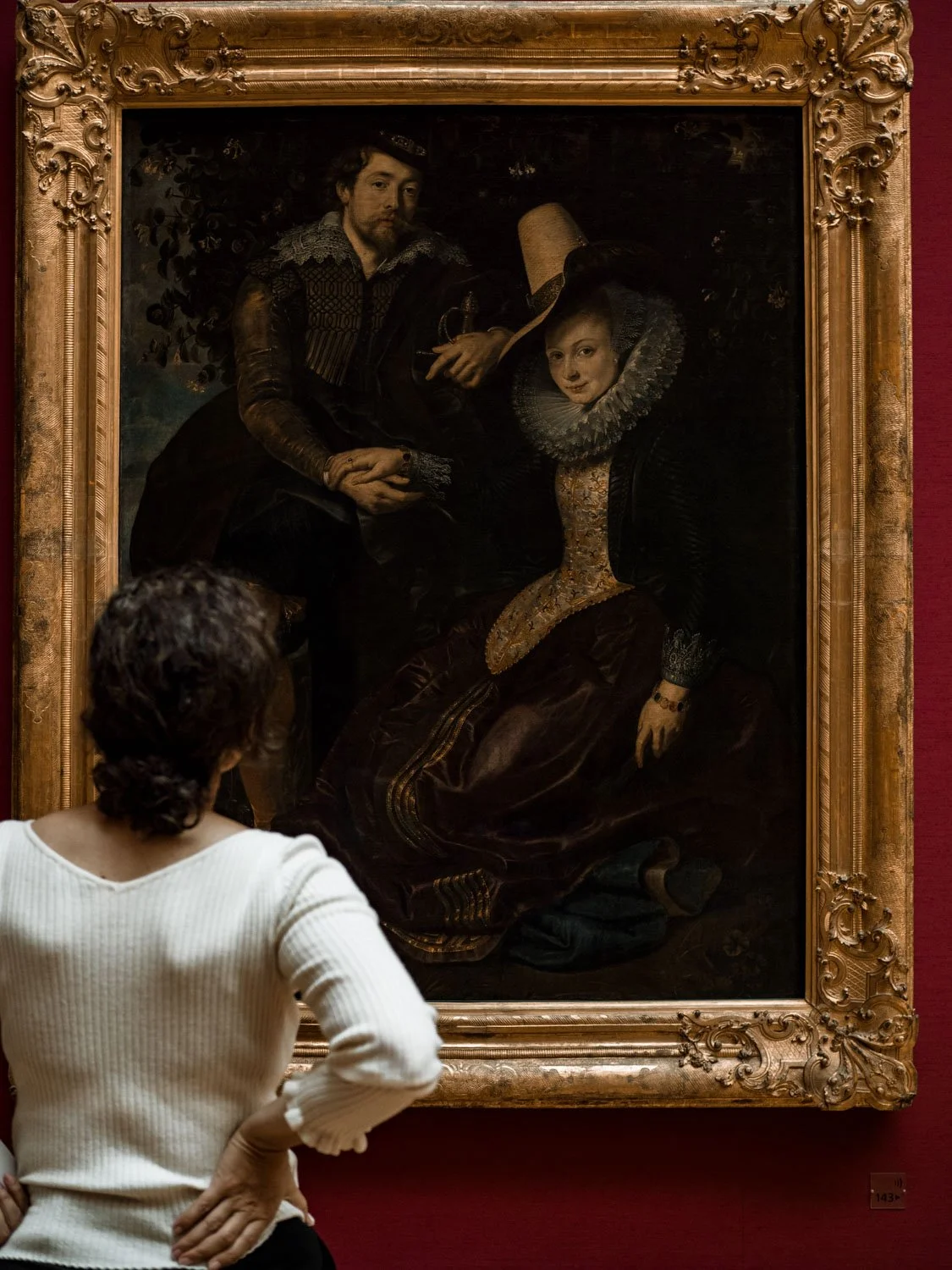
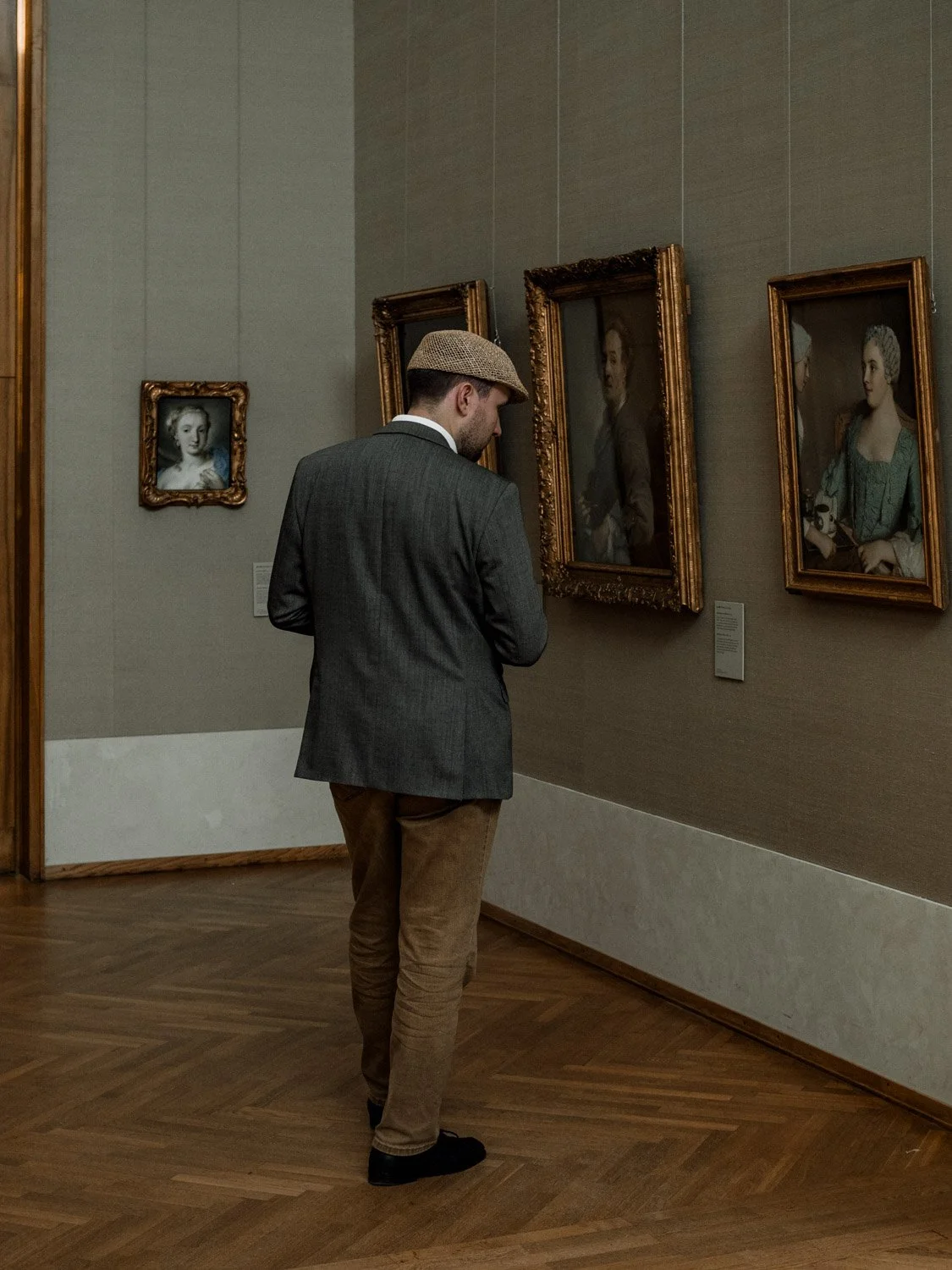
For a second stop, visit the Pinakothek der Moderne for 20th- and 21st-century art alongside design and architecture in a bright, minimalist building. Plan 2–3 hours for the Alte (longer with the Moderne), book ahead on weekends, and check opening days and late hours before you go.
8. Go beyond the city centre to Nymphenburg Palace and Gardens:
Take the tram from Hauptbahnhof (Munich Central Station) toward Schloss Nymphenburg, an easy outing that changes the pace but keeps you in the city. From most starting points, it’s about 30–40 minutes and perfect for a winter morning or early afternoon.
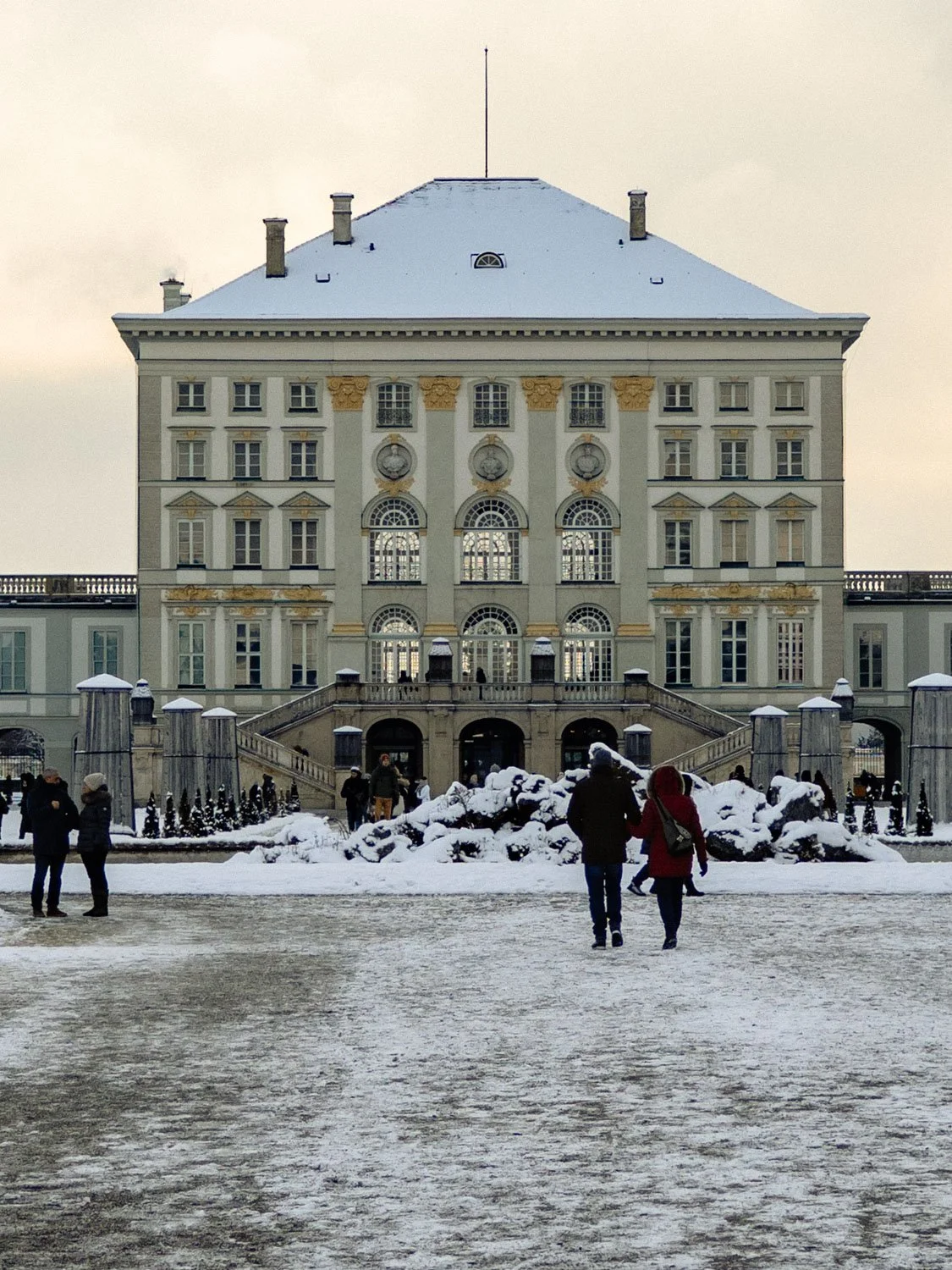
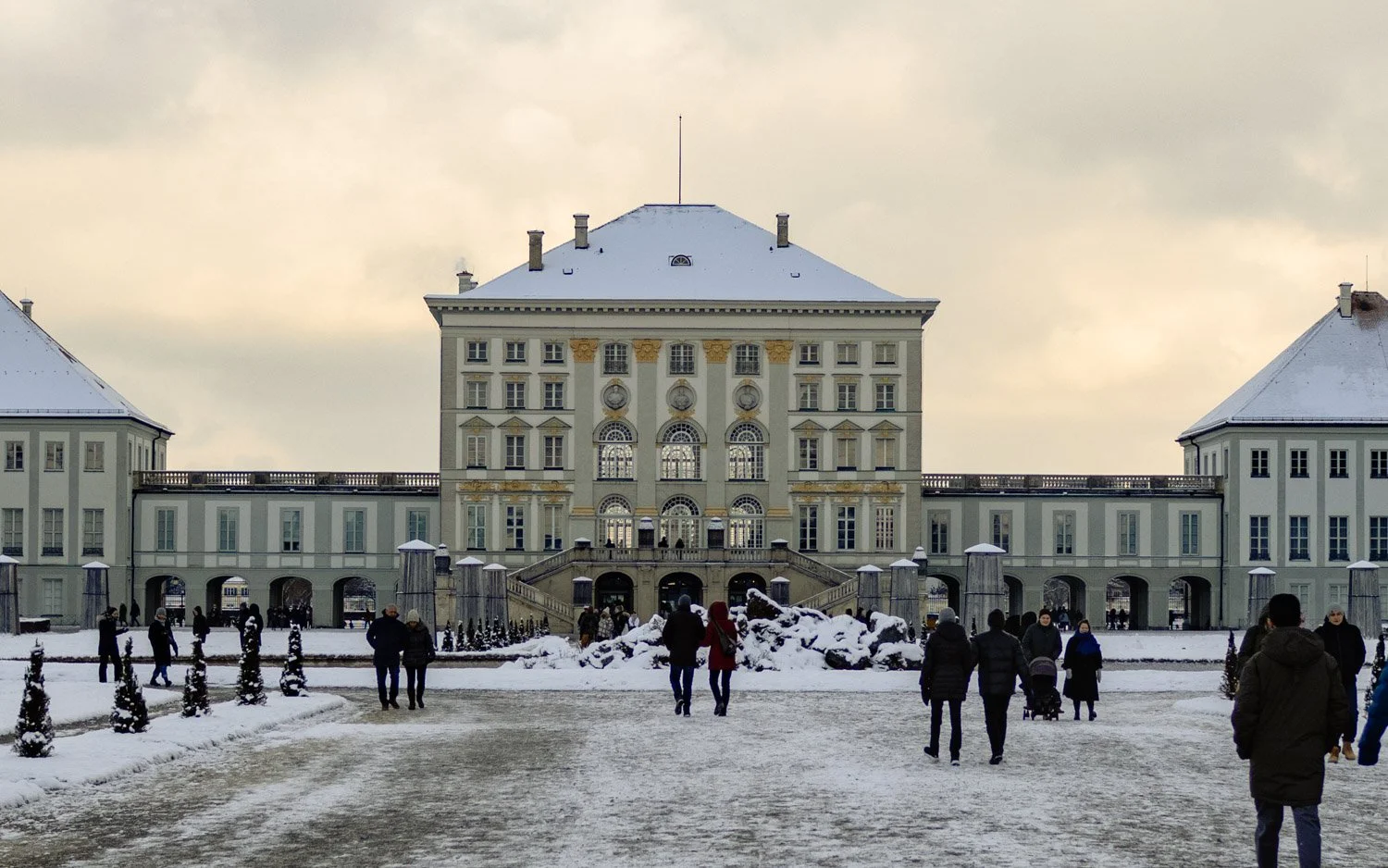
Even before you walk in, Nymphenburg makes an impression: the palace’s long Baroque façade, the broad forecourt, and—when temperatures drop—the Nymphenburg Canal turning glassy and still. When conditions allow, locals gather, stroll, pause, and take in that calm winter brightness reflected off the frozen surface.
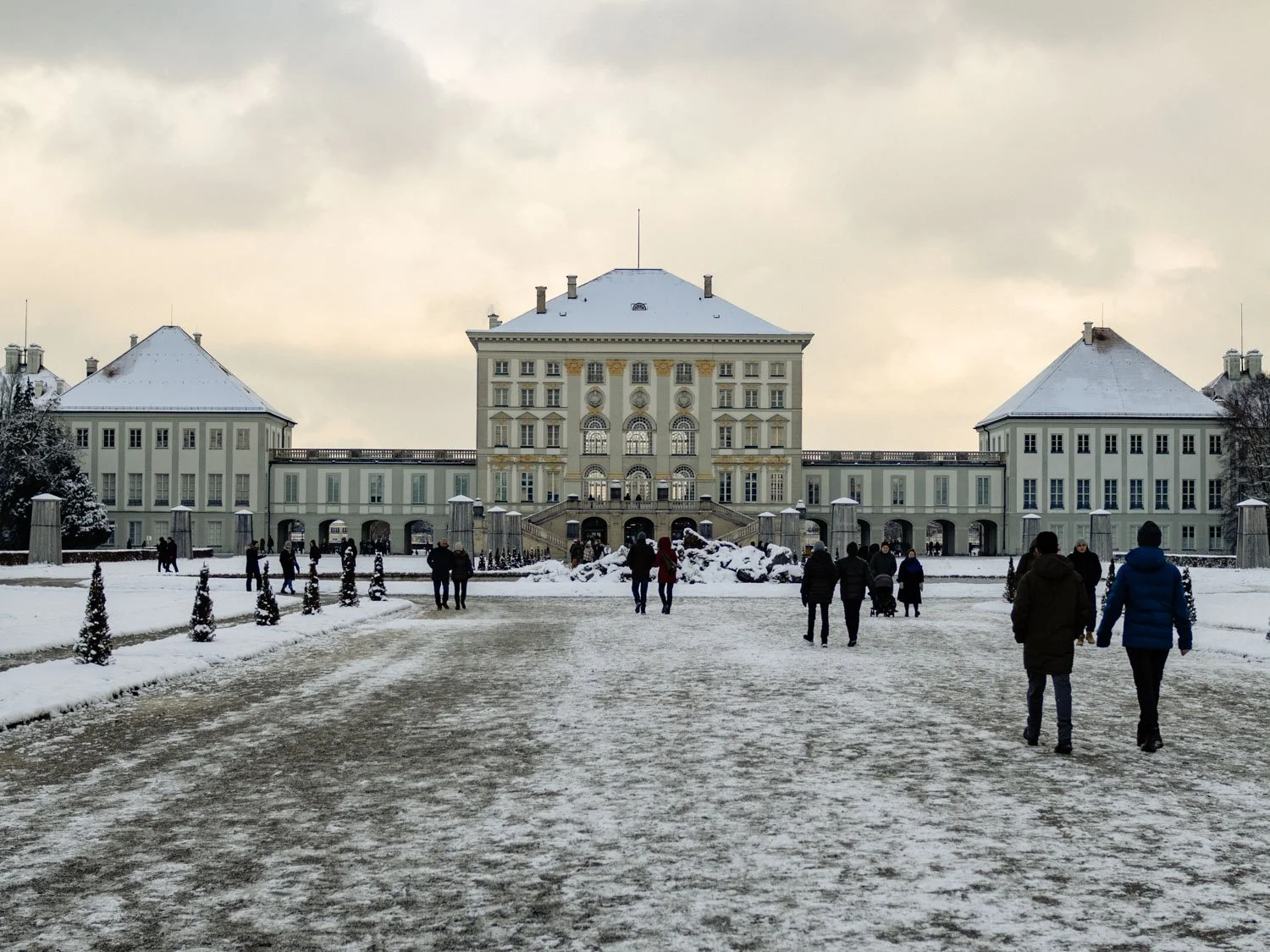
The gardens invite slow walks—wide paths, bare trees, and long sightlines show a calmer side of Munich’s grandeur. Inside, palace rooms reveal royal ornament and scale, a sharp contrast to the wintry air. Warm up afterwards with brunch or coffee at Madam Anna Ekke in Neuhausen, a nearby Munich neighbourhood that’s also worth a short wander, before heading back into the centre.
9. Discover the Botanischer Garten for a warm, green reset:
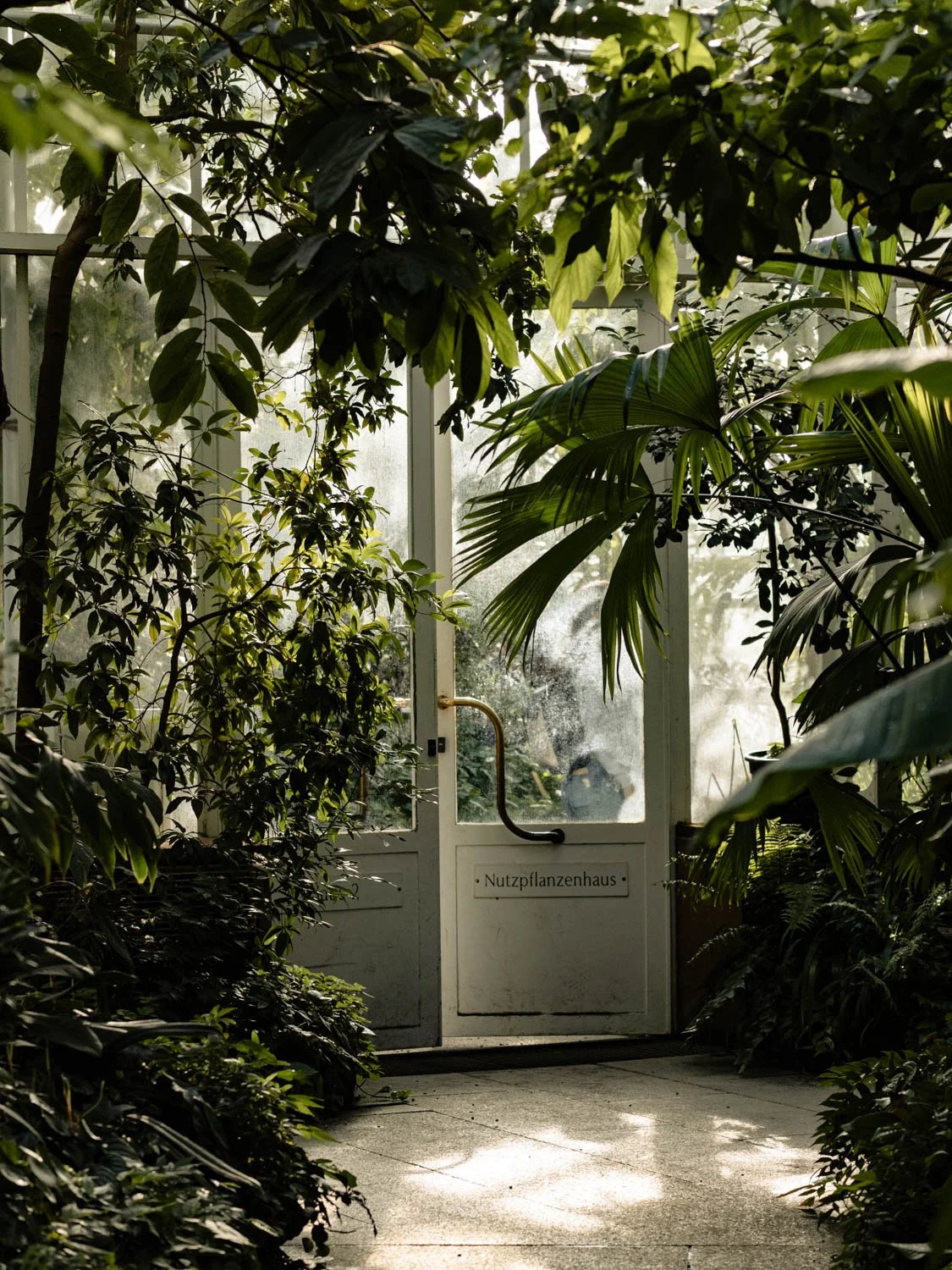
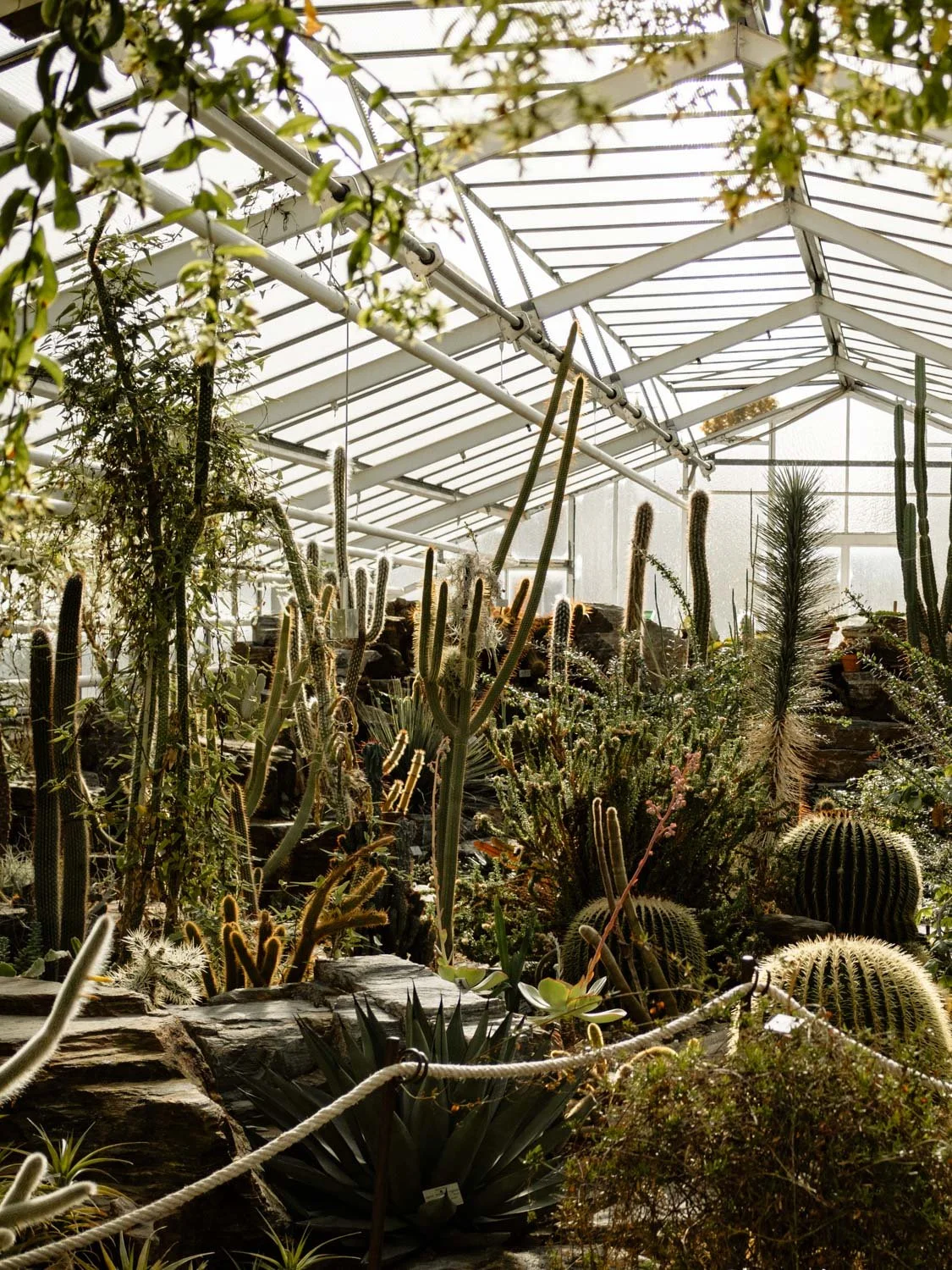
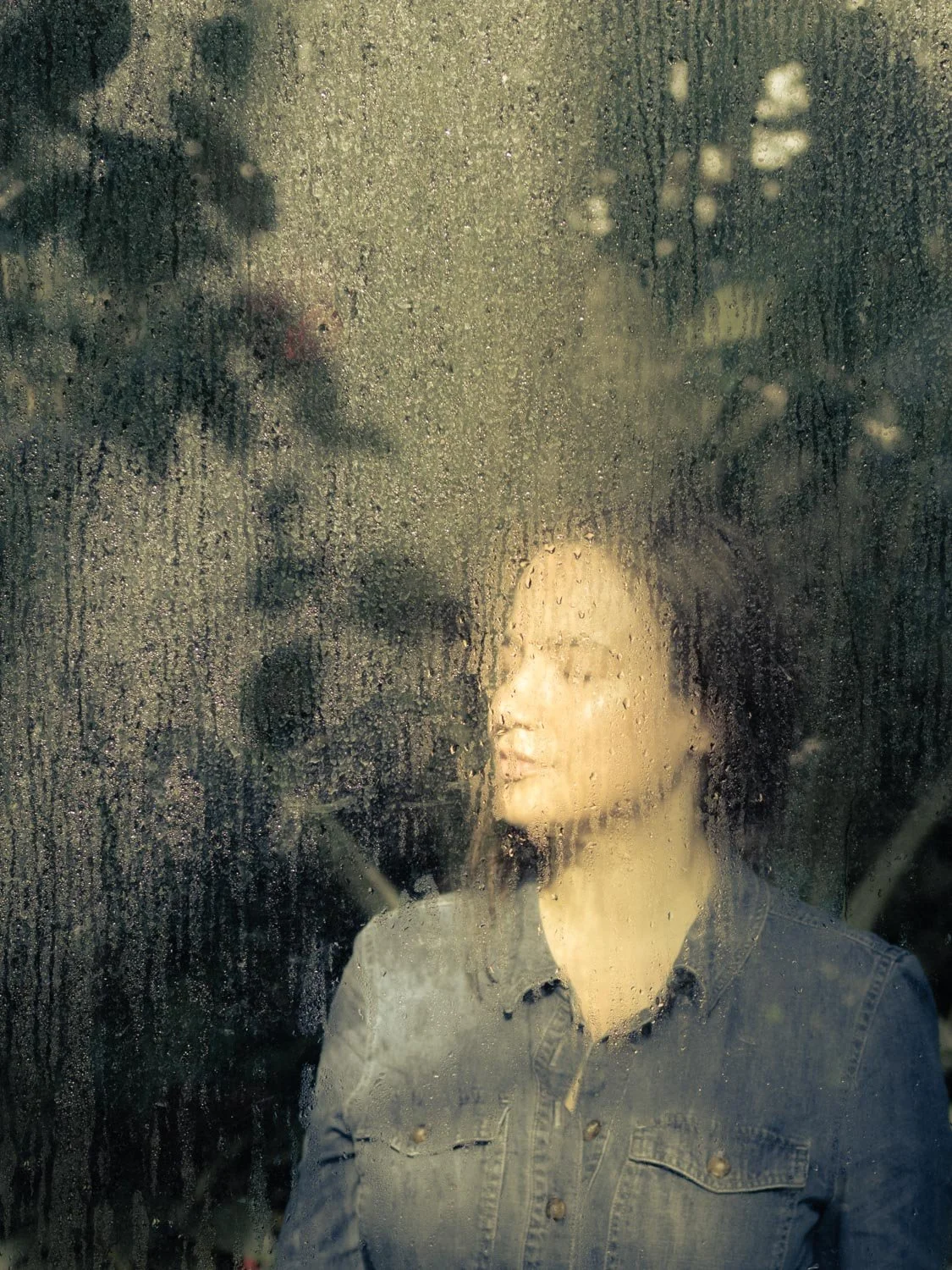
Just steps from the Nymphenburg Palace grounds, Munich’s Botanic Garden is a less-obvious but rewarding pause from the city’s headline sights. With more than 16,000 plant species and subspecies, it’s a living world of plants from across the globe—cultivated and selected to reflect a range of climates, from subtropical to tropical—so you move from fresh air to quiet glasshouses, soft humidity, and leaves pearled with condensation.
Give yourself time to wander through the greenhouses, then loop back outdoors to the garden paths if the weather is mild. Afterwards, stay a little longer: there’s a cafeteria and a Biergarten on-site—perfect for a warm drink or an easy bite before heading back into Munich.
10. Experience the Westend district for a lived-in, local side of Munich:
Also known as Schwanthalerhöhe, this neighbourhood just west of the centre is a rewarding detour between the classic stops. Westend feels less polished than Maxvorstadt and more everyday Munich—residential, relaxed, and quietly creative.
Old façades sit alongside newer energy: small cafés and bakeries, independent shops, and a food scene defined by long-standing diversity. This neighbourhood also borders Theresienwiese, home to the famous Oktoberfest in autumn and the Tollwood Winter Festival, which usually runs from late November to December 31.
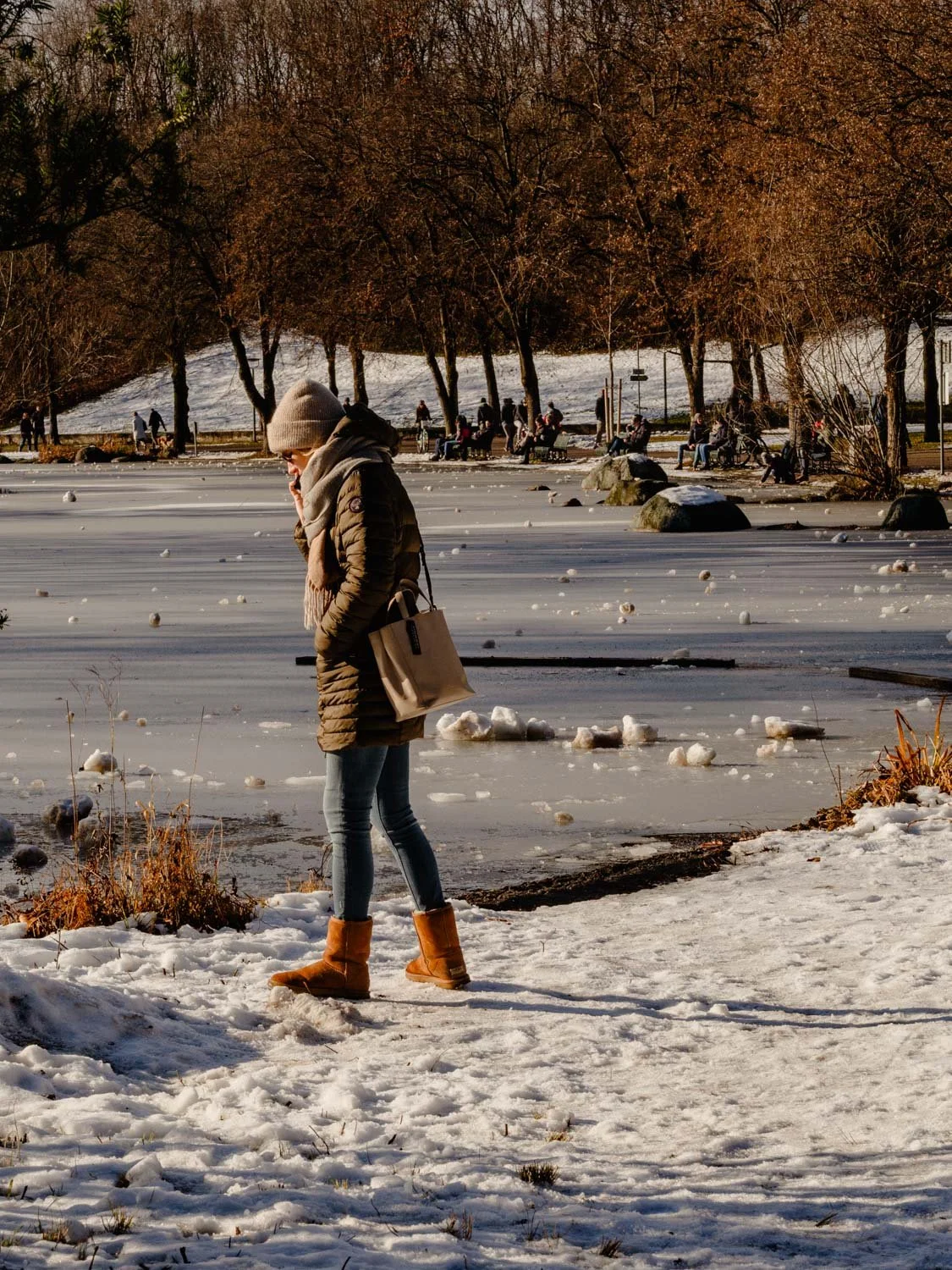

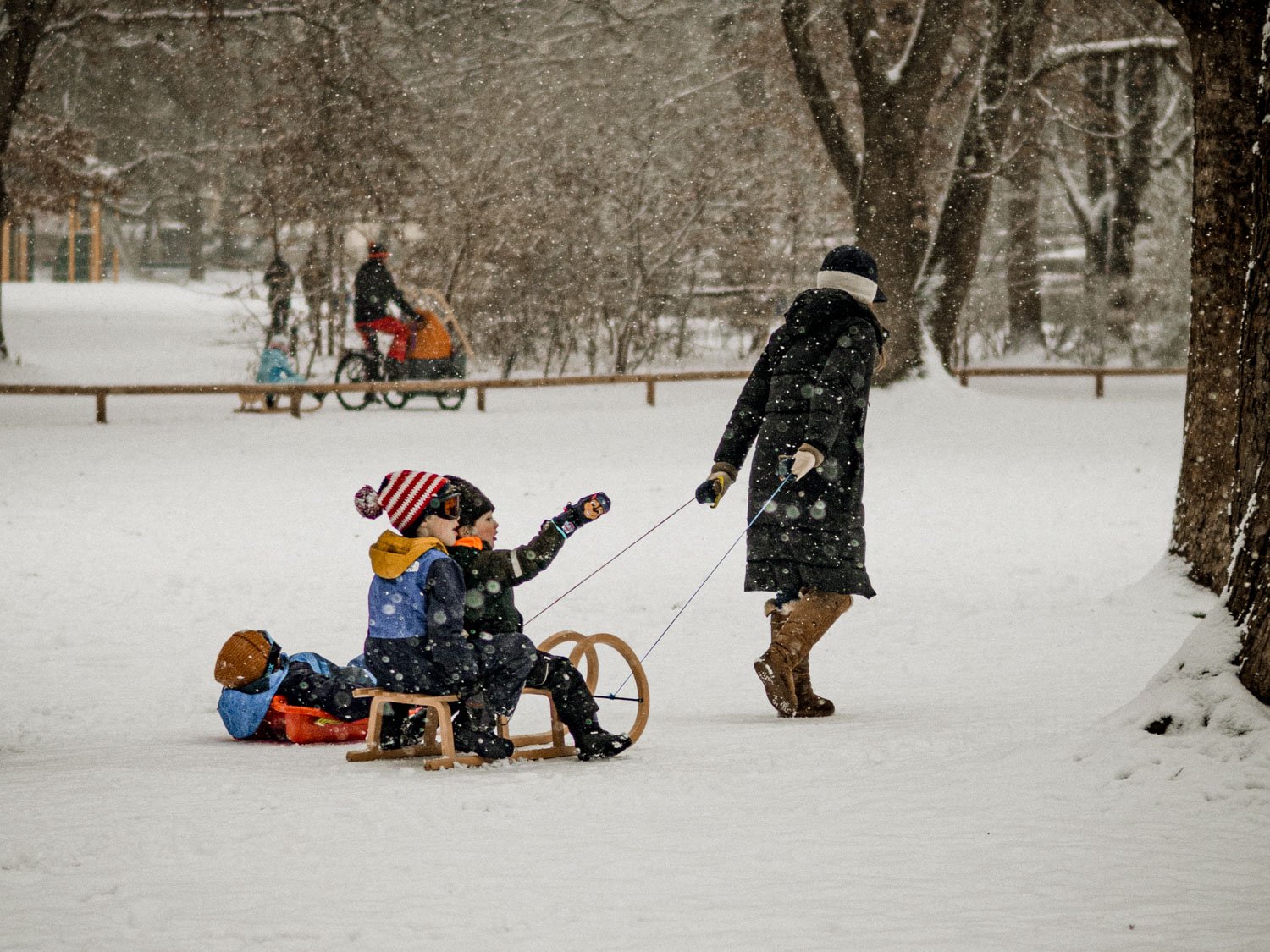
Explore Westend without a plan—side streets, a casual lunch, and the city feeling quietly real. Then pause at Marais Shop-Café for homemade cake and a warm drink in its cozy, retro atmosphere. When you’re ready for fresh air again, continue to Westpark for a slow winter stroll. With snow on the ground, the park comes alive: families arrive with sleds, and kids throw themselves into the simple joy of playing outside.
The pinned map below gathers the guide’s main stops—use it to move smoothly between walks and warm pauses, and to shape each day at an unhurried pace.
RELATED CONTENT